
Ever wonder how often you should vacuum your room? It’s a common question that many people face. You might find yourself looking at that pile of dust and wondering if it’s time to break out the vacuum or if you can wait a bit longer.
Key Takeaways
- Vacuuming Frequency: Regular vacuuming is essential for maintaining a clean and healthy room, with frequency adjusted based on factors like foot traffic, pets, and allergies.
- Room-Specific Guidelines: High-traffic areas should be vacuumed every 2-3 days, while low-traffic rooms may only require weekly or biweekly cleaning.
- Consider Allergies and Pets: Households with pets or allergy sufferers should aim to vacuum at least twice a week or daily to minimize allergens and fur accumulation.
- Effective Vacuuming Techniques: Employ best practices such as overlapping passes, adjusting height settings, and starting high to maximize cleanliness.
- Choose the Right Vacuum: Select a vacuum suitable for your space and needs, whether it’s an upright, canister, robotic, or specialty vacuum, to enhance cleaning efficiency.
Understanding Vacuuming Frequency
Vacuuming frequency plays a crucial role in maintaining a clean and healthy space. Regular cleaning prevents dust build-up and contributes to indoor air quality.
Importance of Regular Vacuuming
Regular vacuuming eliminates dirt and allergens, promoting a healthier environment. Dust, pet dander, and pollen accumulate quickly, especially in high-traffic areas. Vacuuming at consistent intervals keeps your home fresh and decreases allergy symptoms. For instance, individuals with pets should vacuum their rooms at least two to three times per week to manage fur and dander effectively.
Factors Influencing How Often to Vacuum
Several factors determine how often you should vacuum your room:
- Foot Traffic: Rooms with high foot traffic, like living rooms or hallways, require more frequent vacuuming—about once every two to three days.
- Pets: If you have pets, especially large ones or multiple animals, vacuuming daily might be necessary to manage hair and dander.
- Allergies: If you or someone in your household has allergies, vacuuming every few days helps minimize allergens in the air.
- Type of Flooring: Carpets trap dirt more than hard floors. Vacuum carpets weekly; hard floors can usually go longer between cleanings.
- Season: During allergy seasons, increase your vacuuming schedule to combat pollen and dust.
You can adjust your vacuuming frequency based on these factors to ensure a clean and comfortable living space.
General Recommendations
Vacuuming frequency varies based on your specific living situation. Regular vacuuming keeps your room clean and helps improve air quality. Here are some general guidelines to consider.
Recommended Products

OPTIMIZED DESIGN FOR ENHANCED CLEANING: Ensures a thorough cleaning experience by targeting fine dust and particles with powerful suction and advanced filtration

LIFT-AWAY FUNCTIONALITY: lift away the detachable pod and easily clean above-floor areas like stairs, furniture, and more.

【550W Powerful Cordless Vacuum for Deep Cleaning】The iXlion cordless vacuum cleaner with 45,000Pa powerful suction.Easily removes dust, debris, and stubborn pet hair from all floor types—hardwood, carpet, and tile. Perfect for daily fast cleaning in family homes, apartments, and pet households.
Weekly Vacuuming
Vacuum your room at least once a week. This frequency suits homes with low foot traffic, minimal dust, and no pets. In this case, focus on high-traffic areas like entryways and living rooms, as they accumulate more dirt. Consider using a vacuum with a HEPA filter to capture allergens effectively. If you notice dust buildup or dirt becoming visible before the week is up, adjust your routine accordingly.
Biweekly or Monthly Vacuuming
Rooms that experience minimal use, such as guest rooms, may only require biweekly or monthly vacuuming. If you go an extended period without using a room, dust or debris can accumulate slowly. For such spaces, a thorough vacuuming every two weeks or once a month keeps them fresh. Additionally, during seasonal changes, increase your vacuuming frequency to remove dust and allergens stirred up by temperature changes.
Specific Situations
Certain living conditions dictate how often you should vacuum. Regularly adjusting your vacuuming habits based on these situations enhances cleanliness and comfort.
Recommended Products

POWERFUL SUCTION. Dirt, fur & dust don’t stand a chance against the Pet Hair Eraser Allergen Lift-Off vacuum’s suction power.

POWERFUL SUCTION: Deep-clean carpets and tackle bare floors with multi-surface powerful suction.
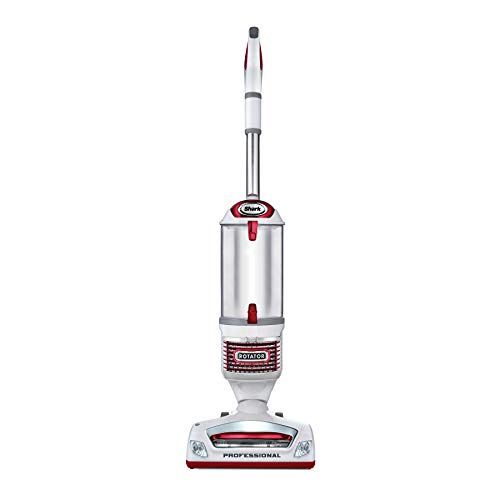
LIFT-AWAY FUNCTIONALITY: Detachable pod for cleaning under furniture or detach the nozzle to clean above the floor, on upholstery, furniture, stairs, and more.
Homes with Pets
Homes with pets are often prone to increased shedding and dirt. If you own a pet, vacuuming daily is advisable. Pet hair accumulates quickly, particularly in high-traffic areas and on carpets. Utilizing a vacuum designed for pet hair can make this task more efficient. Consider investing in a vacuum with a strong suction and specialized attachments for removing hair from upholstery and hard-to-reach corners.
Allergies and Asthma Considerations
Allergies and asthma may necessitate a more frequent vacuuming schedule. If you or anyone in your household suffers from these conditions, vacuuming at least twice a week can significantly improve air quality. Choose a vacuum equipped with a HEPA filter, which traps allergens and dust particles effectively. Additionally, consider vacuuming during non-peak hours when allergens are less likely to be stirred up, such as early morning. This helps keep your living space comfortable and healthy.
Cleaning Techniques
Effective vacuuming techniques enhance your cleaning routine. Employing the right approaches ensures a cleaner space and extends the life of your flooring and vacuum.
Best Practices for Effective Vacuuming
- Start High, End Low: Begin vacuuming at the highest points in the room, such as shelves and furniture, allowing dust and debris to fall onto the floor. End by vacuuming the floor.
- Use Slow, Steady Strokes: Move the vacuum slowly across carpets and rugs. This allows the vacuum to pick up more dirt and debris.
- Overlap Passes: Overlap each pass by about one third to ensure complete coverage. This technique helps catch missed areas.
- Adjust for Height: Change the vacuum’s height setting according to the type of flooring. Use a lower setting for carpets and a higher one for hard floors.
- Focus on High-Traffic Areas: Pay extra attention to entryways and areas with high foot traffic. These spots accumulate dirt quickly and require more frequent vacuuming.
- Regularly Clean the Vacuum: Empty dust canisters or replace bags often. Cleaning filers and brushes also maintains efficiency.
- Upright Vacuums: Ideal for large areas and carpets, upright vacuums offer powerful suction and are user-friendly.
- Canister Vacuums: These vacuums provide versatility and maneuverability, making them great for hard floors and tight spaces.
- Robotic Vacuums: For busy schedules, robotic vacuums automate cleaning routines. They excel at daily maintenance in low-traffic areas.
- Stick Vacuums: Lightweight and easy to handle, stick vacuums are perfect for quick clean-ups and small spaces.
- Handheld Vacuums: Best for spot cleaning and small messes, handheld vacuums are effective for quick jobs, including car cleaning.
- Specialty Vacuums: Consider vacuums designed for specific needs, such as pet hair removal or allergy-friendly options with HEPA filters.
Selecting the right vacuum and employing effective cleaning techniques elevates your room’s cleanliness. Adjust your approach and tools based on your space, routine, and specific needs.
Conclusion
Finding the right vacuuming routine for your room can make a world of difference. By considering your unique circumstances like foot traffic and furry friends you can create a schedule that keeps your space fresh and inviting. Remember it’s not just about frequency but also about using the right techniques and tools to get the job done effectively.
With a little planning you’ll enjoy a cleaner room and a healthier environment. So grab that vacuum and get started on your personalized cleaning journey. You’ve got this!
Frequently Asked Questions
How often should I vacuum my home?
Vacuuming frequency depends on foot traffic, pets, allergies, and flooring type. Generally, high-traffic areas need vacuuming every two to three days, while pet owners should vacuum daily to manage fur and dander effectively.
Why is it important to adjust my vacuuming schedule?
Adjusting your vacuuming schedule helps maintain a clean living environment. It ensures that dirt, allergens, and pet hair are effectively removed, promoting better air quality and extending the life of your flooring.
What are effective vacuuming techniques?
Key techniques include starting from high surfaces and working downwards, using slow and deliberate strokes, and focusing on high-traffic areas to capture more dirt and debris.
What types of vacuums are available?
Common types include upright, canister, robotic, stick, handheld, and specialty vacuums. Each is designed to address specific cleaning needs and flooring types, ensuring efficient cleaning in various settings.
How do I choose the right vacuum for my needs?
Consider factors such as your flooring type, presence of pets, and any allergies. Look for vacuums with appropriate features like suction power, attachments, and filtration systems suited to your specific cleaning requirements.
