
Are you worried about radon levels in your home? You’re not alone. Many homeowners face the challenge of ensuring their living spaces are safe from this harmful gas. One crucial aspect of an effective radon mitigation system is understanding how much vacuum it should maintain.
Getting this right can make all the difference in keeping your home safe and healthy. This article will guide you through the ideal vacuum levels for radon systems, helping you protect your family and gain peace of mind. Let’s explore what you need to know to keep your indoor air clean and safe.
Key Takeaways
- Understanding Vacuum Levels: For effective radon mitigation, maintaining a vacuum level between 0.5 and 1.0 inches of water column is crucial for active suction systems.
- Importance of Monitoring: Regularly track vacuum levels using manometer gauges to ensure your radon system is functioning efficiently and effectively.
- Professional Installation Matters: Hiring certified radon mitigation professionals guarantees proper system installation and configuration tailored to your home’s specific needs.
- Impact of Home Structure and Soil: Factors like soil type and building layout significantly influence the vacuum requirements for optimal radon gas extraction.
- Common Misconceptions: Not all radon systems require the same vacuum; understanding your specific system is vital for effective mitigation.
- Proactive Maintenance is Key: Routine checks and maintenance of the radon system can prevent issues and help sustain necessary vacuum levels for continued safety.
Overview of Radon Systems
Radon systems are essential for reducing indoor radon levels and maintaining a safe living environment. These systems typically consist of a network of pipes, a fan, and a monitoring device. Understanding how these components work together helps ensure optimal performance.
How Radon Systems Work
Radon systems use suction to draw radon gas from beneath your home. The fan in the system creates a vacuum that pulls the gas into the pipes. The gas is then vented outside, away from your living spaces. Proper suction is crucial for the system’s effectiveness, as it directly impacts the amount of radon removed from your home.
Importance of Vacuum Levels
Vacuum levels play a vital role in ensuring radon removal efficiency. The recommended vacuum for a radon mitigation system typically ranges between 0.5 and 1.0 inches of water column (in WC). Maintaining this vacuum range promotes effective radon extraction. If the vacuum falls below this level, you may not reduce radon concentrations effectively.
Monitoring and Maintenance
Regular monitoring of vacuum levels ensures your radon system functions correctly. Install an indicator gauge on your system to track the vacuum levels easily. Perform routine maintenance checks on the fan and pipes to prevent any blockages or deterioration. Addressing any issues promptly helps maintain optimal vacuum levels and effectiveness in reducing radon emissions.
Professional Installation
Hiring a certified radon mitigation professional can help ensure proper installation of your system. Professionals understand local regulations and best practices for radon systems. They’ll assess your home and configure the system to meet your specific needs, providing peace of mind about your radon levels.
Incorporating these insights into your understanding of radon systems can enhance the effectiveness of your mitigation efforts.
Importance of Vacuum in Radon Mitigation
Maintaining proper vacuum levels is crucial for effective radon mitigation. Understanding how vacuum influences system performance can lead to better indoor air quality and safety for you and your family.
Recommended Products
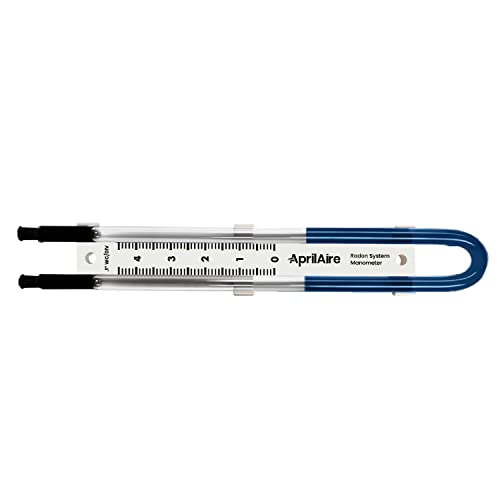
KEEP YOUR HOME SAFE from radon - it is a naturally occurring odorless and colorless gas and is the number one cause of lung cancer among non-smokers

KEEP YOUR HOME SAFE from radon - it is a naturally occurring odorless and colorless gas and is the number one cause of lung cancer among non-smokers and our AprilAire Radon Mitigation systems can help prevent it from entering your home

2 rubber flex couplings
Understanding Radon Gas
Radon gas is a colorless, odorless, radioactive gas that naturally occurs from the decay of uranium in soil and rock. Its accumulation indoors poses health risks, including lung cancer. Testing your home for radon is essential if you live in an area known for high radon levels. Home testing kits are readily available and can provide quick results. If radon levels exceed 4 pCi/L, mitigation becomes necessary.
Role of Vacuum in Radon Systems
Vacuum plays a vital role in radon systems by creating negative pressure that pulls radon gas from beneath your home. The recommended vacuum levels for effective radon extraction range from 0.5 to 1.0 inches of water column. This range ensures efficient removal while preventing air leakage that could allow radon back in.
You can enhance system performance by regularly monitoring vacuum levels. Installing manometer gauges can help you track these levels easily. If levels fall below the recommended range, consider adjusting the system or hiring professionals for an inspection. Getting your radon system installed by certified experts ensures strategic placement and correct configuration, optimizing its ability to maintain the right vacuum level.
Determining the Correct Vacuum Level
Understanding the correct vacuum level is essential for your radon mitigation system’s effectiveness. Specific factors influence how much vacuum your system requires to function optimally.
Factors Affecting Vacuum Requirement
- Soil Type: Dense soils like clay may require higher vacuum levels compared to sandy soils. The type of soil affects how easily radon gas can be extracted.
- System Design: Different systems may have varying configurations, impacting the vacuum needed. For example, a system with multiple suction points may distribute vacuum differently.
- Building Structure: The size and layout of your home influence vacuum requirements. Larger spaces or homes with multiple levels may need additional vacuum to reach effective radon extraction.
- Radon Levels: Higher radon concentrations often necessitate greater vacuum levels for effective mitigation. Conducting regular radon tests helps determine your system’s required performance.
| System Type | Recommended Vacuum Level (inches of water column) |
|---|---|
| Active Suction System | 0.5 – 1.0 |
| Passive System with Fan | 0.3 – 0.5 |
| Sub-slab Depressurization | 1.0 – 1.5 |
Active suction systems generally require a vacuum level between 0.5 and 1.0 inches of water column for optimal performance. Passive systems, often supplemented by fans, can function effectively with a lower vacuum level of 0.3 to 0.5. Sub-slab depressurization systems may benefit from higher levels, up to 1.5 inches, to ensure thorough radon removal.
Regularly monitoring vacuum levels using gauges can help you maintain efficiency. If your system isn’t achieving the recommended levels, consider consulting a certified professional for evaluation and adjustments.
Common Misconceptions About Vacuum
Understanding vacuum levels in radon systems often comes with misconceptions. Addressing these misconceptions helps in maintaining effective radon mitigation.
Misconception 1: Higher Vacuum Is Always Better
Many believe that higher vacuum levels automatically enhance radon removal. While sufficient vacuum is essential, excessively high levels can cause issues. Striking a balance between effective suction and system stability ensures optimal performance.
Misconception 2: All Systems Require the Same Vacuum Level
Not all radon systems share vacuum requirements. For example, active systems typically need a vacuum of 0.5 to 1.0 inches of water column, while passive systems with fans require only 0.3 to 0.5 inches. Understanding the specific needs of your system type is crucial for effective radon mitigation.
Misconception 3: Vacuum Monitoring Is Unnecessary
Some homeowners think vacuum monitoring isn’t needed once the system is installed. Regular monitoring ensures your system operates efficiently over time. Keeping track of vacuum levels helps detect potential issues early, allowing for timely adjustments.
Misconception 4: Soil Type Does Not Affect Vacuum Requirements
Soil type plays a significant role in determining vacuum needs. For instance, sandy soils may require different vacuum levels compared to clay soils due to permeability differences. Knowing your soil type aids in selecting the right vacuum level for your mitigation system.
Misconception 5: Any Gauge Can Measure Vacuum Levels
Using the right gauge is crucial for accurate vacuum measurement. Some gauges may not provide the precision needed for radon systems. Opt for gauges specifically designed for radon mitigation to ensure reliable readings.
By debunking these misconceptions, you can maintain a more effective radon mitigation system.
Conclusion
Understanding the right vacuum levels for your radon system is key to keeping your home safe. By ensuring your system operates within the recommended range you can effectively reduce radon gas and protect your family’s health. Regular monitoring and adjustments based on your specific conditions will go a long way in maintaining efficiency.
Don’t hesitate to consult with professionals if you have questions about your system’s performance. With the right knowledge and care your radon mitigation system can work effectively, giving you peace of mind in your living space.
Frequently Asked Questions
What is the importance of vacuum levels in radon mitigation systems?
Maintaining vacuum levels between 0.5 and 1.0 inches of water column is essential for effective radon extraction. Proper vacuum ensures that radon gas is efficiently removed from your home, reducing health risks associated with prolonged exposure.
How does vacuum affect radon extraction?
Vacuum levels directly influence the system’s ability to draw radon gas from beneath the building. An optimal vacuum ensures strong suction, which is crucial for effective radon mitigation and helps prevent gas from entering occupied spaces.
Do all radon systems require the same vacuum level?
No, vacuum requirements vary based on factors like soil type, system design, and specific radon levels present. Understanding the unique needs of your system is crucial for optimal performance.
Can higher vacuum levels improve radon mitigation?
Not necessarily. While higher vacuum may seem better, excessive vacuum can lead to operational issues. It’s important to maintain recommended levels for efficient performance and to avoid compromising the system’s functionality.
How often should vacuum levels be monitored?
Regular monitoring of vacuum levels is essential, ideally every few months. This ensures your radon mitigation system operates efficiently and addresses any changes in vacuum as problems can arise due to soil conditions or system wear.
What tools are needed to monitor vacuum levels in radon systems?
Using an appropriate vacuum gauge is vital for monitoring levels accurately. These gauges help assess whether vacuum levels are within the recommended range, ensuring the effectiveness of the radon mitigation system.
