
Ever found yourself staring at a dusty rug, wishing you had a vacuum handy? You’re not alone. Many people face this dilemma, especially when unexpected guests drop by or when you just want to freshen up your space.
Key Takeaways
- Understand Rug Materials: Different materials (wool, cotton, synthetic fibers, silk) require specific cleaning methods; always refer to care labels for guidance.
- Use Appropriate Tools: Essential tools for cleaning without a vacuum include a broom, mild detergent, soft brush, and baking soda for odor removal.
- Employ Effective Cleaning Techniques: Hand brushing, spot cleaning with water and soap, and using baking soda help preserve the rug’s condition and extend its lifespan.
- Prioritize Proper Drying: Thoroughly dry your rug after cleaning using blotting and air drying methods to prevent mold and mildew growth.
- Regular Maintenance is Key: Rotate your rug, spot clean spills immediately, and use baking soda to maintain freshness and appearance without frequent deep cleanings.
Understanding Rug Materials
Knowing your rug’s material helps you choose the best cleaning method. Different fabrics react differently to cleaning techniques and solutions.
Common Rug Fabrics
- Wool: Wool rugs are durable and resilient. They resist stains but can absorb moisture. Cleaning often requires gentle solutions to avoid shrinking or felting.
- Cotton: Cotton rugs are soft and easy to clean. They can withstand machine washing but may fade over time. Spot cleaning with mild detergent works well for stains.
- Synthetic Fibers: Rugs made from nylon or polyester are stain-resistant and durable. They clean up easily with soap and water. High heat can damage these materials, so avoid hot water.
- Silk: Silk rugs are luxurious but delicate. They require special care, often needing dry cleaning or specific cleaning solutions to prevent damage.
- Check Care Labels: Always read the care label for specific cleaning instructions. Manufacturers provide essential details about suitable cleaning methods.
- Test Before Cleaning: Do a spot test on an inconspicuous area. This checks for colorfastness and prevents unwanted damage.
- Use Gentle Tools: Avoid hard brushes or abrasive tools. Opt for soft cloths or sponges to prevent fabric damage.
- Avoid Excess Water: Excess moisture can lead to mold or mildew. Use damp, not wet, cleaning methods and ensure proper drying afterward.
- Consider Frequency: Regular light cleaning helps maintain your rug’s appearance. Deep cleaning should happen less frequently, based on usage and material type.
Understanding these key points makes it easier to keep your rug clean and intact.
Tools Needed for Cleaning
Cleaning your rug without a vacuum requires specific tools to achieve the best results. Gather the following supplies before you start.
Recommended Products
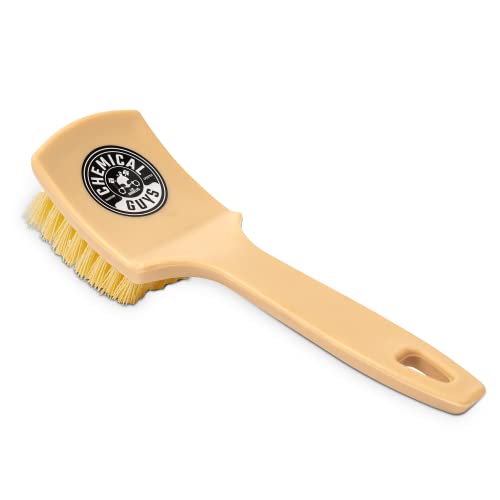
Deep Cleaning Power (ACCG25) - Heavy duty interior carpet cleaning brush with durable bristles designed to scrub and lift dirt, stains, and debris from carpets, mats, and upholstery for a refreshed and restored look

Stiff bristles remove dirt and grime, breaking up stains and lifting dirt and debris from carpeted and upholstered surfaces

DUAL-TEXTURE DESIGN: Soft scrub brush features soft and medium-stiff bristles for effective cleaning - gentle enough for fabrics while tough enough to remove stubborn stains
Essential Cleaning Supplies
- Broom: Use a soft-bristled broom for effective dust removal.
- Dustpan: A dustpan helps in collecting dirt after sweeping.
- Mild Detergent: Choose a gentle detergent suitable for your rug material.
- Bucket: Fill a bucket with water and detergent for mixing.
- Soft Brush: A soft-bristled brush or sponge works well for scrubbing.
- Microfiber Cloth: This cloth absorbs moisture and lifts dirt without scratching.
- Lint Roller: A lint roller picks up pet hair and small debris easily.
- Lint-Free Towels: These towels are great for drying spots without leaving behind fibers.
- Baking Soda: Sprinkle baking soda on the rug to deodorize and absorb moisture.
- Old Toothbrush: An old toothbrush helps in cleaning small, intricate patterns.
- Steam Iron: For lifting stains, the steam from an iron can be effective when used cautiously.
As you prepare your cleaning tools, consider your rug’s material for optimal care. Each item plays a vital role in maintaining your rug’s look and longevity.
Step-by-Step Cleaning Methods
Cleaning your rug without a vacuum is simple with the right techniques. The following methods will help restore your rug’s freshness and look.
Hand Brushing Your Rug
Hand brushing removes surface dirt and debris effectively.
- Use a broom or a soft brush designed for carpets.
- Begin at one corner and work towards the opposite end.
- Sweep in a consistent direction to lift dust and crumbs.
- Collect the debris with a dustpan.
- Repeat as needed, especially in high-traffic areas.
Spot Cleaning with Water and Soap
Spot cleaning addresses specific stains or spills efficiently.
- Mix a few drops of mild detergent with warm water in a bucket.
- Test the solution on a small, hidden area of the rug first.
- Dampen a microfiber cloth in the solution, avoiding saturation.
- Blot the stained area gently, starting from the outside and moving inward.
- Rinse the cloth with clean water and blot again to remove soap residues.
- Allow the rug to air dry completely before using it again.
Using Baking Soda for Odor Removal
Baking soda neutralizes odors effectively and leaves your rug smelling fresh.
- Sprinkle an even layer of baking soda over the entire rug or on specific areas.
- Let it sit for at least 15 minutes to absorb odors.
- Use a soft brush to work the baking soda into the fibers.
- Collect any excess with a lint roller or dustpan.
- Vacuum the residue if possible. If not, a strong shake can also help.
These cleaning methods will help maintain your rug’s beauty and prolong its life without the need for a vacuum.
Drying and Maintaining Your Rug
Drying and maintaining your rug correctly helps preserve its beauty and prolong its life. Following these practices prevents damage and keeps your rug looking fresh.
Recommended Products

No assembly required—simply place, plug in, and select speed settings to customize airflow intensity. Safe for both indoor and outdoor use with a grounded power cord

Warm Note: There will be some noise in high-speed as it's a high-velocity air mover, please note in advance before purchase

MADE FOR: A more efficient drying and cooling process
Proper Drying Techniques
Dry your rug thoroughly to avoid mold and mildew. Here are the steps:
- Blot Water: After cleaning, use a clean, dry towel to blot excess water from the rug. Start at one end and work your way to the other.
- Air Dry: Lay your rug flat in a well-ventilated area. Avoid direct sunlight, as it can fade colors. If it’s too damp, hanging it over a railing may also work.
- Use Fans: If the air flow is low, place fans nearby to speed up the drying process. Position fans to circulate air across the rug evenly.
- Check for Dryness: Ensure your rug is completely dry before placing it back in its original location. This can take several hours, so be patient.
Regular Maintenance Tips
Regular maintenance helps you avoid deep cleaning. Include these practices in your cleaning routine:
- Rotate Your Rug: Rotate every few months to ensure even wear from foot traffic. This practice maintains its appearance and extends its lifespan.
- Spot Clean Immediately: Address spills or stains as soon as they happen. Blot the area with a cloth and a mild detergent solution, then rinse and air dry.
- Brush Regularly: Use a soft brush to lift dirt and fibers. Gently brush the rug in the direction of the fibers. This keeps your rug looking fluffy and fresh.
- Use Baking Soda: Apply baking soda to remove odors. Spread a thin layer, let it sit for 15-30 minutes, then brush or shake out the excess.
- Professional Cleaning: Schedule professional cleaning every 1-2 years, depending on use. This ensures deeper dirt removal and fiber care.
By implementing these drying and maintenance techniques, you maintain your rug’s beauty and durability effortlessly.
Conclusion
Cleaning your rug without a vacuum can be a simple and rewarding process. By understanding your rug’s material and using the right techniques you can keep it looking fresh and vibrant. Remember to be gentle and patient during the cleaning process to avoid any damage.
Regular maintenance is key to extending your rug’s lifespan. With a little effort and care you can enjoy a beautiful rug that enhances your space. So grab those cleaning tools and give your rug the attention it deserves. You’ll be amazed at the difference it makes!
Frequently Asked Questions
What are the most common rug materials and their cleaning needs?
Rug materials like wool, cotton, synthetic fibers, and silk vary in cleaning requirements. Wool is durable but needs gentle handling. Cotton is washable but can shrink. Synthetic fibers are generally easier to clean, while silk requires special treatment. Always check care labels for specific cleaning instructions.
How can I clean a rug without using a vacuum?
To clean a rug without a vacuum, start by hand brushing to remove surface dirt. For stains, spot clean using a mix of water and mild soap. Baking soda effectively absorbs odors. Regularly perform these steps to maintain the rug’s appearance.
What are some effective drying techniques for rugs?
To dry a rug, gently blot excess water and hang it in a well-ventilated space. Utilize fans to speed up the drying process. Always ensure the rug is completely dry before placing it back to avoid mold and odor.
How can I maintain my rug’s appearance over time?
Regular maintenance is key to preserving your rug. Rotate it every few months to ensure even wear. Address spills immediately with spot cleaning, brush regularly to remove dirt, and schedule professional cleaning periodically to keep it looking great.
Why is it important to check care labels on rugs?
Care labels provide essential information on how to clean and maintain your rug without causing damage. Different materials have unique cleaning requirements, so adhering to these guidelines helps prolong the life of your rug.
