
Is your pool looking more like a swamp than a sparkling oasis? You’re not alone. Many pool owners face the challenge of keeping their pools clean and inviting, especially after a storm or a busy swim season.
Key Takeaways
- Understand the Importance of Vacuuming: Regular pool vacuuming prevents algae buildup, maintains clear water, and protects pool surfaces and equipment from damage.
- Know the Types of Pool Vacuums: Familiarize yourself with manual, automatic, and robotic vacuums to select the best option for your pool’s size and debris type.
- Prepare Properly Before Vacuuming: Gather necessary equipment such as hoses, skimmer nets, and brushes, and test water chemistry for optimal sanitation before starting the vacuuming process.
- Follow a Step-by-Step Vacuuming Process: Whether using a manual or automatic vacuum, ensure to prime the hoses, empty skimmers, and discard large debris for effective cleaning.
- Avoid Common Mistakes: Proper pre-vacuum preparation and regular filter maintenance are vital to enhance vacuum efficiency and keep your pool in top condition.
Understanding Pool Vacuuming
Pool vacuuming plays a crucial role in keeping your pool clean and inviting. Regular maintenance prevents algae buildup and ensures the water remains clear and safe for swimming.
Recommended Products

For Manual Pool Cleaning Only – This swimming pool vacuum hose is designed for use with a manual vacuum head and standard telescopic pool pole (sold separately). NOT compatible with automatic or robotic pool cleaners.
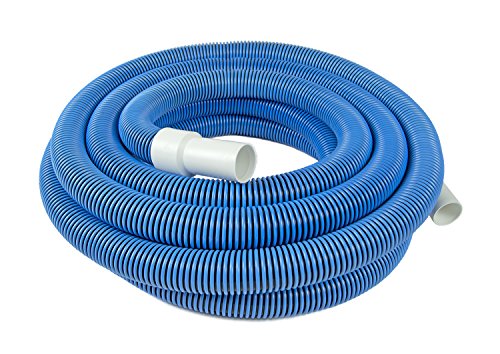
For Manual Pool Cleaning Only – This swimming pool vacuum hose is designed for use with a manual vacuum head and standard telescopic pool pole (sold separately). NOT compatible with automatic or robotic pool cleaners.

{DEEP CLEAN}: This Hydrotools vacuum head is perfect for deep cleaning of all pool types. Featuring an extra-large rectangular cleaning area designed for optimal suction, this vac head picks up dirt quicker & more efficiently than the average cleaner
Importance of Regular Maintenance
Regular vacuuming protects your pool’s surface and equipment. Vacuuming removes dirt, debris, and contaminants that can lead to algae growth. It enhances water circulation and increases filter efficiency, reducing the need for excessive chemicals. Aim to vacuum at least once a week, especially during peak swimming seasons or after storms.
Types of Pool Vacuums
Choosing the right vacuum can simplify pool maintenance. Consider these common types:
- Manual Pool Vacuums: You control these vacuums using a pole and hose. They provide precision and allow you to focus on specific areas. Manual vacuums suit smaller pools or those needing detailed cleaning.
- Automatic Pool Vacuums: These vacuums operate independently. They move around your pool using suction or brushes. Automatic vacuums save time and are excellent for larger pools or those with frequent debris.
- Robotic Pool Vacuums: Robotic models clean your pool floor and walls using advanced technology. They’re efficient, programmable, and require minimal supervision. Robotic vacuums may also feature filtering systems, improving water quality.
When selecting a vacuum, consider your pool size, type of debris, and personal maintenance preferences. Each type offers advantages that can cater to your specific needs.
Preparing to Vacuum Your Pool
Vacuuming your pool requires a few initial steps to ensure efficiency and effectiveness. Preparing your pool properly helps maintain cleanliness and makes the process smoother.
Recommended Products

This kit includes spa jet vacuum cleaner,a 13.5-inch pool brush,a semi-deep skimmer net and a 57.5-inch pole

MORE WIDER AND DURABLE: Designed with wide hooks, more sturdy. 2 pcs heavy duty white aluminium holder hooks with screws, rust resistant, lightweight and durable.

ROTATABLE HOSE ADAPTER: Avoid kinking or twisting of the hose
Gathering Necessary Equipment
Collect the right tools for vacuuming your pool. Key items include:
- Pool Vacuum: Choose between manual, automatic, or robotic vacuums based on your needs.
- Hoses: Ensure you have enough hose length to reach all areas of the pool.
- Skimmer Net: Use this to remove larger debris before vacuuming.
- Brush: A pool brush helps loosen dirt and algae stuck to the pool walls.
- Water Source: Have access to a garden hose for filling the vacuum.
Testing Water Chemistry
Testing your water chemistry prepares the pool for vacuuming. It’s vital to check:
- pH Levels: Aim for a pH between 7.2 and 7.6 for effective sanitation.
- Chlorine Levels: Ensure chlorine levels are balanced (1-3 ppm is ideal).
- Alkalinity: Maintain total alkalinity between 80-120 ppm for stability.
Use a test kit or strips for accurate results. Adjust the water chemistry as needed before vacuuming. Proper chemistry prevents algae growth and promotes clear water.
Step-by-Step Guide on How to Vacuum Out Your Pool
Vacuuming your pool keeps it clean and inviting. Follow these clear steps for effective manual and automatic vacuuming.
Manual Vacuuming Process
- Connect the Equipment: Attach the vacuum head to the telescopic pole. Connect the vacuum hose to the vacuum head before submerging it into the pool.
- Prime the Hose: Submerge the entire hose in the water to remove air. Hold one end while you see water flowing out of the vacuum head. This ensures proper suction.
- Vacuum the Pool Floor: Start at the shallow end. Move slowly and methodically. Cover the bottom in overlapping strokes to pick up debris effectively.
- Clean Corners and Steps: Use the brush attachment for corners and steps. Go back and forth gently to avoid missing spots.
- Empty the Skimmer and Filter: Regularly check the skimmer basket and filter. Empty them if they become full to maintain suction.
- Select the Right Vacuum: Choose an automatic pool vacuum compatible with your pool’s size and type. Options include suction-side and robotic vacuums.
- Install the Vacuum: Connect the automatic vacuum to the designated port or skimmer. Ensure all connections are secure.
- Set a Cleaning Schedule: Program the vacuum for daily or weekly cleaning. This keeps your pool consistently clean with minimal effort.
- Check Operation: Monitor the vacuum for efficient operation. Ensure it’s moving around the pool and cleaning without getting stuck.
- Maintain the Vacuum: Regularly clean the filter and inspect hoses for blockages. Proper maintenance extends the vacuum’s lifespan and effectiveness.
Common Mistakes to Avoid
Avoiding common mistakes during pool vacuuming helps ensure an effective cleaning process. Stay aware of these pitfalls to keep your pool in top condition.
Overlooking Pre-Vacuum Preparation
Preparation plays a crucial role in successful pool vacuuming. Check water level first; ensure it’s high enough to cover the skimmer. Disconnect any pool accessories that might interfere with the vacuuming process. Remove large debris like leaves and twigs from the pool’s surface. Skimming the surface prevents blockages in the vacuum hose and makes the job easier. Ensure your vacuum equipment, including hoses and connectors, functions properly before starting. Taking these steps streamlines your vacuuming process and enhances cleaning efficiency.
Ignoring Pool Filter Maintenance
Regular maintenance of your pool filter is key to maintaining water clarity. Change or clean the filter cartridge according to the manufacturer’s guidelines. A clogged or dirty filter reduces suction power, making vacuuming less effective. Monitor pressure gauges and look for signs of debris accumulation. Testing and backwashing your sand or cartridge filter will ensure optimal performance. If you ignore filter maintenance, you’ll face increased cleaning time and less effective results. Keep your filter healthy to support your pool cleaning efforts.
Conclusion
Vacuuming your pool doesn’t have to be a daunting task. With the right tools and techniques you can keep your pool sparkling clean and inviting. Remember to stay on top of your maintenance routine and address any common pitfalls to ensure effective cleaning.
Your effort in maintaining a clean pool not only enhances its appearance but also promotes a healthier swimming environment for you and your loved ones. So grab your vacuum and enjoy the satisfaction of a well-kept pool. Happy swimming!
Frequently Asked Questions
What is the importance of pool vacuuming?
Pool vacuuming is essential for maintaining a clean and safe swimming environment. It helps remove debris, dirt, and algae, preventing buildup that can lead to more serious water issues and excessive chemical use.
What types of pool vacuums are available?
There are several types of pool vacuums, including manual, automatic suction, pressure-side, and robotic vacuums. Each type has its own benefits, making it important to choose one that fits your pool’s specific needs.
How do I vacuum my pool manually?
To vacuum your pool manually, attach a vacuum head to a telescopic pole, connect it to a hose, and submerge it in the pool. Ensure there are no air bubbles, start at the deep end, and move systematically to cover the entire pool floor.
How do automatic pool vacuums work?
Automatic pool vacuums work by using suction or brushes to clean debris from the pool floor and walls. They move independently, allowing for hands-off cleaning and can be programmed or set on a timer for convenience.
What common mistakes should I avoid when vacuuming?
Common mistakes include neglecting pre-vacuum preparations like checking water levels, failing to maintain your pool filter, and not ensuring that all equipment is working properly. Avoiding these can enhance cleaning efficiency.
Why is filter maintenance important for pool vacuuming?
Regular filter maintenance ensures optimal water clarity and vacuuming efficiency. A clogged filter reduces suction power, making vacuuming less effective and allowing dirt and debris to accumulate in your pool.
How often should I vacuum my pool?
You should vacuum your pool at least once a week, or more frequently during peak usage or heavy debris seasons. This helps maintain cleanliness and reduces the need for chemical treatments.
