
Have you ever looked at your inground pool and felt overwhelmed by the dirt and debris floating around? You’re not alone. Keeping your pool clean can feel like a daunting task, especially when it comes to vacuuming. But it doesn’t have to be complicated.
Key Takeaways
- Effective Cleaning Method: Vacuuming through the skimmer is essential for maintaining your inground pool’s water quality and aesthetics.
- Essential Equipment: Utilize the correct tools, including a vacuum head, flexible hose, and skimmer adapter, to ensure efficiency and prevent suction loss.
- Step-by-Step Process: Follow a systematic approach to vacuuming—prepare the pool, set up the vacuum properly, and vacuum methodically from shallow to deep areas.
- Common Mistakes to Avoid: Be mindful of neglecting debris removal, using incorrect settings, and failing to inspect equipment, as these can hinder your vacuuming efforts.
- Regular Maintenance: Schedule weekly vacuuming and regularly check the skimmer basket to prevent dirt buildup and maintain optimal pool cleanliness.
Understanding Inground Pool Vacuuming
Maintaining your inground pool’s cleanliness requires effective vacuuming. Understanding the process ensures you tackle debris and dirt efficiently. Here’s a concise guide to help you navigate this task.
Benefits of Vacuuming
- Enhanced Water Quality: Vacuuming removes particles that can affect water chemistry and clarity.
- Preventative Maintenance: Regular vacuuming reduces the buildup of algae and prevents stains on pool surfaces.
- Improved Aesthetics: A clean pool looks inviting and enjoyable for swimming.
Types of Vacuums
- Manual Vacuums: These vacuums attach to your pool’s skimmer and require you to maneuver them across the pool’s surface.
- Automatic Vacuums: These units operate independently, using suction to navigate and clean the pool bottom.
- Robotic Vacuums: These are programmable machines that efficiently clean the pool while you relax.
Vacuuming Through the Skimmer
- Gather Equipment: Obtain your vacuum head, hose, and pole.
- Connect the Vacuum: Attach the vacuum head to the pole. Connect one end of the hose to the vacuum head.
- Prime the Hose: Submerge the vacuum head and hose to remove air bubbles. Hold the hose until water flows from the free end.
- Attach to Skimmer: Connect the hose to the skimmer suction port. Ensure a tight fit to prevent leaks.
- Start Vacuuming: Move the vacuum head slowly across the pool floor, covering all areas methodically.
Tips for Effective Vacuuming
- Regular Schedule: Vacuum weekly to prevent dirt accumulation.
- Observe Water Levels: Keep water levels appropriate to ensure effective suction.
- Check Skimmer Basket: Empty the skimmer basket before and after vacuuming to maintain optimal flow.
- How long does vacuuming take? Vacuuming typically takes 30 to 60 minutes, depending on pool size and debris level.
- What if the vacuum loses suction? Check for clogs in the hose, skimmer, and pump. Clearing any blockage often restores suction.
Inground pool vacuuming doesn’t have to be daunting. Following these steps and tips makes the process straightforward and efficient.
Essential Tools and Equipment
To vacuum an inground pool through the skimmer, specific tools and equipment are essential for effective cleaning. Gathering the right items ensures a smoother process and better results.
Vacuum Head and Hose
Select a vacuum head suitable for your pool’s surface. Different heads work best with various surfaces like tiles or vinyl. A weighted, triangular vacuum head offers better stability under water for thorough cleaning. Pair it with a flexible vacuum hose, typically 1.25 to 1.5 inches in diameter, to maintain optimal suction. Make sure the hose is long enough to reach all areas of the pool. Connect the vacuum head to the hose securely to prevent disconnection during use.
Skimmer Adapter
Using a skimmer adapter allows you to attach the vacuum hose directly to the skimmer box. Choose an adapter that fits snugly into your skimmer. Proper fit prevents air leaks that can reduce suction effectiveness. Ensure the skimmer basket is empty to maximize flow. If your skimmer doesn’t support a direct connection, consider an inline filtration system for better suction while vacuuming.
Gather these tools to maintain a clean and inviting pool effortlessly.
Step-by-Step Guide for Vacuuming Through Skimmer
Follow these steps for efficient vacuuming through your inground pool’s skimmer. Proper preparation and technique ensure a clean and inviting pool.
Recommended Products

For Manual Pool Cleaning Only – This swimming pool vacuum hose is designed for use with a manual vacuum head and standard telescopic pool pole (sold separately). NOT compatible with automatic or robotic pool cleaners.

【Compatibility】ChangTa sp1106 skim vacuum plate adapter compatible with Hayward pool skimmer models SP1082, SP1084, SP1085, and SP1075 pool in-ground skim vac
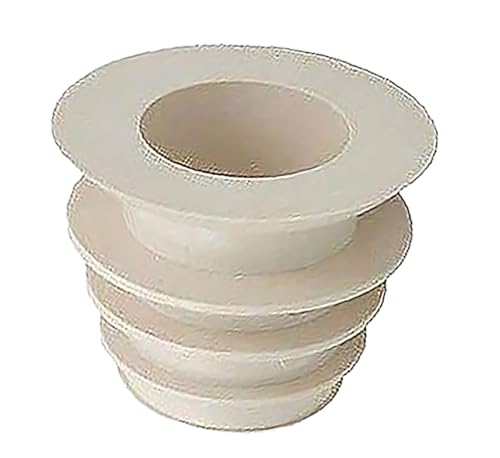
***Buyers BEWARE: This cone adapter ONLY fits 2" suction port of pool skimmer. It DOES NOT fit 1.5" suction port of pool skimmer. Most above-ground pools and lot of older pools have 1.5" suction port which will not fit this cone adapter. Please measure the diameter of pool skimmer suction port for compatibility before you purchase this item.
Preparing the Pool
- Remove debris. Skim off leaves and larger items using a net. This ensures smoother vacuuming.
- Lower the water level. Keep the water level a few inches below the skimmer. This helps avoid overflow and maintains suction.
- Turn off the pump. Shut off the pool pump before connecting the vacuum. This prevents damage and makes setup easier.
Setting Up the Vacuum
- Attach the vacuum head. Connect the vacuum head securely to the hose. Make sure there’s a tight fit to prevent leaks.
- Connect the hose to the skimmer. Insert the hose into the skimmer through the skimmer adapter. Ensure the connection is snug for maximum suction.
- Prime the hose. Submerge the vacuum head while holding the open end of the hose above water. Allow water to fill the hose until water comes from the top. This eliminates air pockets.
- Begin at the shallow end. Start vacuuming from the shallow area, working towards the deep end. This ensures you capture dirt more effectively.
- Use a slow, steady motion. Move the vacuum head slowly to catch debris. Quick motions may kick up dirt instead of collecting it.
- Overlap passes. Overlap each stroke slightly to avoid missing spots. This ensures you cover the entire bottom surface of the pool.
- Check and empty the skimmer. Periodically check the skimmer basket for debris build-up. Empty it as needed for efficient suction.
By following these steps, you’ll maintain a clean inground pool and enjoy a pleasant swimming environment.
Common Mistakes to Avoid
When vacuuming your inground pool through the skimmer, several common mistakes can hinder your efforts. Avoiding these pitfalls ensures effective cleaning and extends the life of your equipment.
Overlooking Debris Removal
Always remove loose debris before vacuuming. Skipping this step clogs the skimmer and impedes water flow. Clear the surface and corners of your pool to improve vacuum efficiency.
Using Incorrect Vacuum Settings
Using the wrong vacuum settings can lead to ineffective cleaning. Set your vacuum to the appropriate suction power for your pool type. Higher suction might be necessary for heavy debris, while lower settings work for fine particles.
Ignoring Hose Bubbles
Air bubbles in your vacuum hose signal a problem. They indicate a leak or air in the system. Check for kinks or loose connections. Ensure the hose is fully submerged to eliminate air pockets.
Moving Too Quickly
Rushing through the vacuuming process can leave dirt behind. Move the vacuum slowly, overlapping each stroke. This method captures more debris and ensures a thorough clean.
Not Monitoring the Skimmer Basket
Neglecting the skimmer basket can lead to clogs. Frequently check the basket and clean it if necessary. A full basket limits suction and reduces vacuum effectiveness.
Failing to Regularly Inspect the Equipment
Regular inspections of your vacuum and hose can prevent issues. Look for wear and tear, cracks, or clogs. Addressing minor problems promptly saves time and effort in the long run.
By avoiding these common mistakes, you’ll achieve better results and maintain a cleaner, healthier inground pool.
Conclusion
With the right approach vacuuming your inground pool through the skimmer can be a breeze. By staying organized and following the steps outlined you’ll keep your pool sparkling clean and inviting. Remember to take your time and enjoy the process.
Regular maintenance not only enhances the beauty of your pool but also ensures a healthier swimming environment for you and your loved ones. So grab your vacuum and dive into a cleaner pool experience. You’ve got this!
Frequently Asked Questions
What is the importance of vacuuming an inground pool?
Vacuuming an inground pool is crucial for maintaining water quality and cleanliness. It helps remove debris, prevents maintenance issues, and enhances the pool’s overall appearance, ensuring a healthier swimming environment.
What types of vacuum are available for inground pools?
There are several types of vacuums for inground pools, including manual vacuums, robotic vacuums, and suction-side vacuums. Each type has its benefits, and the choice depends on your pool’s size, shape, and your budget.
How do I prepare my pool for vacuuming?
To prepare your pool for vacuuming, start by removing any large debris using a skimmer net. Next, lower the water level if necessary, and ensure that your vacuum equipment is in good condition and ready to use.
What are the steps to set up a vacuum?
To set up a vacuum, attach the vacuum head to the telescopic pole and connect the hose. Then place the vacuum head in the water and submerge it to remove air from the hose before attaching it to the skimmer.
What tips can help me vacuum my pool more effectively?
For effective vacuuming, start from the shallow end and move slowly to ensure complete debris removal. Make sure to check the skimmer basket periodically and adjust your vacuum settings as needed.
What common mistakes should I avoid while vacuuming?
Common mistakes to avoid include overlooking debris removal, using incorrect vacuum settings, ignoring hose bubbles, moving too quickly, neglecting the skimmer basket, and failing to regularly inspect equipment for wear and tear.
How often should I vacuum my inground pool?
It is recommended to vacuum your inground pool at least once a week, or more frequently if you notice debris accumulation or after heavy use. Regular vacuuming will help maintain optimal water quality and cleanliness.
Can I vacuum my pool without professional help?
Yes, most pool owners can vacuum their own pools using the right equipment and techniques. The article provides a step-by-step guide to assist you, making it easy to maintain your pool yourself.
