
Have you ever opened your freezer only to find freezer-burned food that’s beyond saving? It’s frustrating, right? If you’re tired of wasting food and money, a Weston vacuum sealer could be your new best friend. This handy tool not only keeps your food fresh but also makes meal prep a breeze.
Key Takeaways
- Extended Shelf Life: Vacuum sealing significantly prolongs the freshness of various foods by preventing oxidation and bacterial growth.
- Reduced Freezer Burn: By removing air from sealed bags, vacuum sealing minimizes freezer burn, helping maintain food quality and taste.
- Simplified Meal Prep: Preparing and vacuum sealing meals in advance streamlines busy weeknights and promotes healthier eating.
- Cost Efficiency: Buying food in bulk and vacuum sealing helps reduce waste and save money by preventing spoilage and taking advantage of discounts.
- User-Friendly Operation: Weston vacuum sealers are designed for ease of use, with simple controls and clear sealing options for varied food types.
- Regular Maintenance is Key: Keeping the vacuum sealer clean and conducting regular maintenance enhances its performance and longevity.
Overview of Weston Vacuum Sealers
Weston vacuum sealers offer an effective way to keep your food fresh longer and reduce waste. These devices help you store food efficiently, saving you both time and money.
Recommended Products
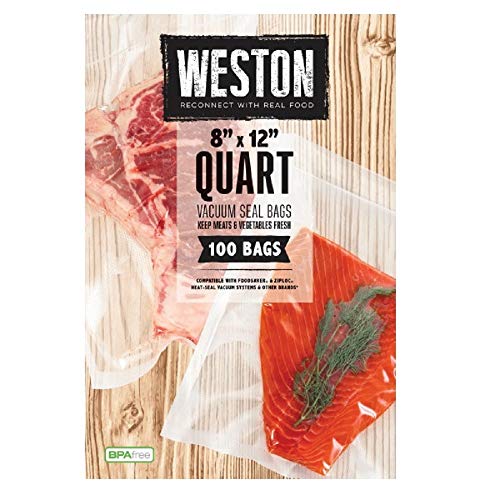
WORKS WITH FOODSAVER AND ZIPLOC SYSTEMS* These bags are compatible with other various brands heat-seal vacuum systems

HEAVY DUTY AND PUNCTURE PREVENTION - 8x12 pre-cut Quart bags with embossed channels increase suction, keep fresh without freezer burn or dehydration
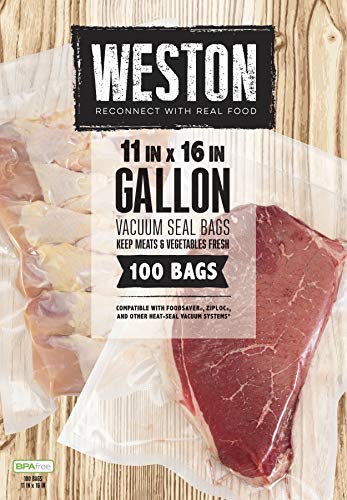
Benefits of Using a Vacuum Sealer
- Extended Shelf Life: Vacuum sealing can extend the shelf life of food by preventing oxidation and inhibiting bacterial growth. Meat, vegetables, and fruits last significantly longer when vacuum sealed compared to traditional storage methods.
- Less Freezer Burn: Sealing food removes air, which reduces the chances of freezer burn. This preserves the quality, taste, and texture of your frozen items.
- Meal Prep Simplification: You can prepare meals in advance and vacuum seal them for quick access. This saves time during busy weekdays and helps maintain a balanced diet.
- Cost Savings: Buying food in bulk and vacuum sealing reduces waste. You’ll save money by avoiding spoiled food and can also purchase discounted items that you can seal for future use.
- Sous Vide Cooking: Vacuum-sealed bags are ideal for sous vide cooking. You can evenly cook meat and other foods to perfection while infusing flavors.
- Seal Quality: Look for models with consistent, strong seals to ensure freshness. A reliable sealing strip prevents air from re-entering the bag.
- Size and Capacity: Consider the size that fits your kitchen space and your typical food storage needs. Some models offer larger capacities for bulk sealing.
- Ease of Use: Opt for user-friendly models with simple controls. One-touch sealing functions make the process quick and convenient.
- Durability: Choose vacuum sealers made from high-quality materials. Durable models withstand frequent use and deliver long-term performance.
- Versatility: Some vacuum sealers come with adjustable settings for moist and dry foods. Additional features like built-in bag cutters and roll storage enhance convenience.
By selecting the right Weston vacuum sealer, you enjoy numerous benefits while efficiently managing your food storage needs.
Preparing to Use the Weston Vacuum Sealer
Preparing your Weston vacuum sealer ensures efficient food storage and prolongs freshness. Follow these steps for the best results.
Gathering Necessary Supplies
Gathering the right supplies makes the sealing process simpler. Collect the following items:
- Weston vacuum sealer: The primary device for sealing.
- Vacuum bags: Use Weston-brand bags for compatibility and optimal results.
- Scissors: Useful for cutting bags to size.
- Fresh food items: Choose fruits, vegetables, meats, or leftovers you want to vacuum seal.
- Labeling materials: Use labels or a marker for noting contents and sealing dates.
Setting Up the Machine
Setting up the Weston vacuum sealer is straightforward. Follow these steps:
- Place the machine: Set the vacuum sealer on a flat, stable surface near a power outlet.
- Connect the power cord: Plug the machine into a standard electrical outlet.
- Insert the vacuum bag: Open the sealing bar and place one end of the bag inside the vacuum channel.
- Close the machine: Firmly shut the lid until it locks in place.
- Select seal mode: Choose the appropriate mode based on the type of food you’re sealing (moist or dry).
- Start the vacuuming process: Press the “Vacuum” button to initiate the sealing process.
By gathering supplies and preparing your machine correctly, you create an efficient setup for food preservation.
Operating the Weston Vacuum Sealer
Operating a Weston vacuum sealer is straightforward and effective for preserving food. Follow these instructions to get started efficiently.
Step-by-Step Instructions
- Prepare Your Food: Cut food items into manageable portions. Avoid overfilling the vacuum bag for optimal sealing.
- Select the Right Bag: Choose a compatible vacuum bag size based on the food amount. Ensure the bag is clean and free from wrinkles.
- Insert the Bag: Place the open end of the vacuum bag into the machine’s seal area. Ensure it is positioned correctly for a secure seal.
- Access Sealing Options: Choose your desired seal mode. The Weston vacuum sealer typically provides options for regular sealing and gentle sealing for delicate items.
- Start the Vacuum Process: Press the “Vacuum and Seal” button. The machine will extract air from the bag and seal it tightly.
- Check the Seal: Once the process is complete, inspect the seal for tightness. A properly sealed bag should not have any air pockets.
- Label and Store: Label the bag with the contents and date. Store it in the fridge, freezer, or pantry as required.
- Overfilling Bags: Avoid packing bags too tightly. Leave enough space for sealing and prevent leaks.
- Using Incompatible Bags: Ensure you use bags designed for vacuum sealing. Regular plastic bags may not provide an airtight seal.
- Ignoring Moisture: Wipe down the open end of the bag if it has moisture on it. Moisture can hinder sealing and lead to spoilage.
- Neglecting Bag Size: Choosing bags that are too small can cause issues. Use an appropriate size for optimal vacuum sealing.
- Not Checking the Seal: Always examine the seal after the process. If it’s not tight, re-seal if necessary to prevent air from entering.
Following these guidelines ensures that you use your Weston vacuum sealer effectively, preserving food quality and extending shelf life.
Maintenance and Care
Proper maintenance and care of your Weston vacuum sealer enhances its performance and longevity. Follow these guidelines for optimal use.
Cleaning Your Weston Vacuum Sealer
Cleaning your vacuum sealer regularly prevents buildup and ensures efficient operation.
- Unplug the Device: Always unplug the sealer before cleaning.
- Wipe the Exterior: Use a damp cloth to wipe the exterior surfaces. This eliminates dust and food particles.
- Clean the Vacuum Gasket: Inspect the gasket for food residue. Clean it gently with a soft cloth and mild detergent if necessary.
- Empty the Drip Tray: Remove and wash the drip tray regularly to prevent odors. Rinse it and dry thoroughly before replacing.
- Avoid Harsh Chemicals: Don’t use abrasive cleaners, as they can damage the surface.
Maintain these cleaning habits after every few uses for optimal results.
Troubleshooting Issues
Knowing how to troubleshoot common issues saves time and helps maintain the quality of your vacuum sealer.
- Poor Seal: If the seal isn’t holding, check for moisture in the bag or debris on the sealing area. Ensure you’re using compatible bags.
- Vacuum Not Working: If the vacuum function fails, check the power source. Ensure the device is correctly assembled and the bags are placed properly.
- Sealer Overheating: If your sealer overheats, turn it off and allow it to cool down. Avoid running multiple cycles back-to-back.
- Error Messages: Refer to the user manual for error code meanings. These codes often guide you to quick solutions.
Regular maintenance and swift troubleshooting keep your Weston vacuum sealer functioning effectively, ensuring food stays fresh and free from freezer burn.
Conclusion
Using your Weston vacuum sealer can transform how you store food and save money in the long run. With just a few simple steps you can enjoy fresher meals and reduce waste. Remember to keep up with regular maintenance to ensure it runs smoothly and efficiently.
Don’t hesitate to experiment with different foods and meal prep techniques. The more you use your vacuum sealer the more benefits you’ll discover. Enjoy the convenience of having delicious meals ready to go and the peace of mind that comes with knowing your food is well-preserved. Happy sealing!
Frequently Asked Questions
What is a Weston vacuum sealer?
A Weston vacuum sealer is a kitchen appliance designed to remove air from food storage bags, sealing them tightly to prevent freezer burn and extend shelf life. It’s ideal for meal prep and sous vide cooking.
How does a vacuum sealer help with food storage?
By removing air from packaging, a vacuum sealer prevents oxidation and freezer burn, preserving food freshness. This method helps keep food safe for longer periods, reducing waste and saving money.
Can I use a Weston vacuum sealer for sous vide cooking?
Yes, Weston vacuum sealers are perfect for sous vide cooking. They can securely seal food in heat-safe bags, ensuring even cooking and preventing water from entering the bags during the sous vide process.
What are the benefits of using a Weston vacuum sealer?
Using a Weston vacuum sealer extends food shelf life, simplifies meal preparation, reduces food waste, and enhances cooking methods like sous vide. It’s an investment for preserving freshness and flavor.
How can I maintain my Weston vacuum sealer?
Regular maintenance includes cleaning the sealing area and body after use, checking for wear on the seals, and ensuring the vacuum chamber is free of debris. Proper care ensures optimal performance.
What should I do if my vacuum sealer has poor seals?
If your vacuum sealer isn’t sealing properly, ensure that the bag edges are clean and dry, and that the sealing bar is free of food residue. If problems persist, consult the manual for troubleshooting steps.
How do I troubleshoot overheating issues with my Weston vacuum sealer?
If your vacuum sealer overheats, allow it to cool down before using it again. Ensure you’re not overloading the unit and refer to the user manual for specific guidelines on usage duration to avoid overheating.
What are common error messages and how do I handle them?
Common error messages might indicate issues like an improper seal or insufficient vacuum pressure. Consult your Weston vacuum sealer’s manual for explanations and recommended actions to resolve these errors quickly.
