Key Takeaways
- Importance of Cleanliness: Regularly washing kitchen towels is essential for preventing the spread of germs and maintaining kitchen hygiene.
- Stain Treatment: Address common stains like food and grease swiftly using household items like vinegar, baking soda, or cornstarch to ensure effective cleaning.
- Washing Techniques: Sort towels by use and wash with appropriate water temperatures and detergents to maximize cleaning efficiency.
- Drying Methods: Air drying gives towels a fresh scent; if using a dryer, ensure towels are completely dry to avoid mold and odors.
- Choosing Products: Opt for heavy-duty laundry detergents and effective stain removers specifically designed for kitchen use to maintain optimal cleanliness and freshness.
- Visual Appeal: Clean kitchen towels contribute to a neat kitchen appearance, enhancing both hygiene and the aesthetic of the cooking space.
Ever wondered why your kitchen towels never seem to look fresh? You’re not alone. Many people struggle with keeping these everyday essentials clean and odor-free, especially after they’ve tackled spills and messes.
Importance Of Clean Kitchen Towels
Clean kitchen towels play a crucial role in your kitchen hygiene. They prevent the spread of bacteria, germs, and odors. Using dirty towels can contaminate surfaces and food, leading to potential health risks.
Regularly washing kitchen towels maintains their absorbency and functionality. Fresh towels are essential for drying dishes, wiping hands, and cleaning spills effectively. When you use clean towels, you enhance the overall cleanliness of your kitchen environment.
Consider the frequency of use. Kitchen towels often absorb moisture and food particles that promote bacterial growth. Washing them after each heavy use helps eliminate these contaminants. It’s best to separate towels used for drying hands from those used for cleaning dishes.
Investing in quality towels also makes a difference. Choose materials that are durable and absorbent, such as cotton or linen. They withstand frequent washing while maintaining their effectiveness. Storing clean towels in a designated area ensures easy access and encourages regular use.
Remember the visual aspect, too. Clean, fresh towels contribute to a neat kitchen appearance. They enhance the overall appeal of your cooking space and can even complement your kitchen decor. Prioritizing clean kitchen towels is key to a safe and inviting cooking environment.
Common Stains On Kitchen Towels
Kitchen towels often encounter various stains that require attention. Knowing how to tackle these specific stains helps maintain cleanliness and hygiene.
Food Stains
Food stains like sauces, fruit juices, and coffee can set quickly. For immediate action, dab the stain with cold water. Use a mixture of dish soap and white vinegar for tougher stains. Soak the stained area for about 15 minutes, then launder as usual. Example: For tomato sauce stains, applying a bit of baking soda directly to the stain before washing can help lift it.
Grease Stains
Grease stains from cooking oils and buttery substances can be persistent. Sprinkle baking soda or cornstarch on the stain to absorb the grease. Let it sit for 10-15 minutes, then brush off the powder. Follow this by using a degreasing dish soap with warm water for a thorough clean. For example, using liquid dish soap on the grease stain before washing can enhance its removal.
Dirt And Grime
Dirt and grime from hands or surfaces can leave towels looking dingy. Rinse them immediately under cold water to remove dirt particles. For deeper cleaning, create a mixture of laundry detergent and warm water. Soak the towels for about 30 minutes before washing. An added tip: a tablespoon of baking soda in the wash cycle can brighten towels that have collected grime over time.
Best Methods To Get Kitchen Towels Clean
Kitchen towels require consistent cleaning methods to stay fresh and hygienic. Below are effective techniques for pre-treatment, washing, and drying.
Recommended Products

What You'll Get: One 22oz spray bottle of Shout's Prewash Active Enzyme Stain Remover Spray. Bottle, excluding trigger & label, made of 25% Post Consumer Recycled plastic!

POWERFUL DEGREASING FORMULA: The clean up kitchen oil stains spray is solved to tackle stubborn oil stains and heavy grease buildup on kitchen surfaces, stovetops, range hoods, and exhaust fans with strong cleaning action
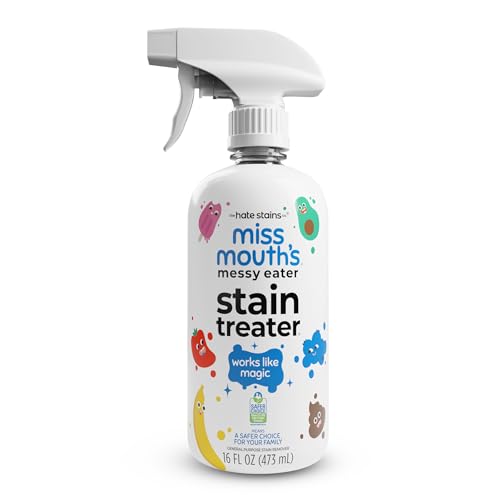
POWERFUL & FAST WORKING This lightning fast laundry stain remover spray is perfect for clothes, upholstery, and carpets.
Pre-Treatment Tips
- Identify Stains: Examine towels for specific stains like grease, coffee, or food residue.
- Soak Immediately: For stubborn stains, soak towels in cold water to loosen dirt.
- Use Stain Remover: Apply a stain remover directly to the affected areas and let it sit for 10-15 minutes.
- Try Natural Solutions: Mix equal parts white vinegar and water. Spray on stains and blot with a clean cloth.
Washing Instructions
- Sort Towels: Separate towels based on their use. Wash hand towels and dish towels separately.
- Select Water Temperature: Use hot water for white towels to kill germs and bacteria. Use warm water for colored towels to prevent fading.
- Choose Detergent: Use a heavy-duty detergent that targets grease and food stains. Make sure it’s suitable for the fabric type.
- Load Machine Correctly: Avoid overcrowding the washing machine to allow towels to clean effectively.
- Add Vinegar: During the rinse cycle, add one cup of white vinegar to help remove odors and enhance freshness.
Drying Techniques
- Air Dry for Freshness: Where possible, air drying towels outside can remove odors and provide a fresh scent.
- Use a Dryer: If using a dryer, set it to a medium heat setting. High heat can damage fibers over time.
- Add Dryer Balls: Place dryer balls in the dryer to help fluff towels and prevent them from clumping together.
- Check for Moisture: Ensure towels are completely dry before putting them away. Damp towels can harbor mold and odors.
Choosing The Right Cleaning Products
Selecting the right cleaning products ensures your kitchen towels remain fresh and hygienic. Two main categories of products play a key role in restoring your towels to pristine condition.
Recommended Products

Repels Grease & Grime – Removes and helps repel tough automotive stains, grease, oil, and grime from mechanic uniforms, coveralls, and workwear, keeping clothes looking clean even after the dirtiest garage jobs or engine repairs
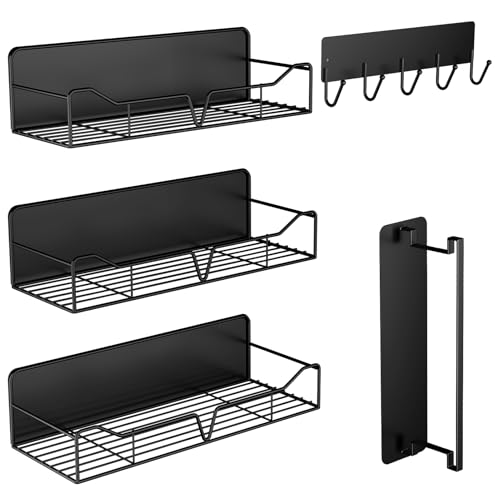
Premium Materials: Magnetic shelves for washing machine features a rust-resistant metal construction that's corrosion-resistant and long-lasting, while its strong magnetic suction protects your surface. The reusable design is durable and safe, while providing reliable and secure storage. Add a touch of brightness to your laundry room and say goodbye to monotony.

Heavy-duty concentrated cleaning power: Expertly formulated for commercial and industrial laundry applications, DETCO Blue Max is trusted by professionals and families to deliver superior cleaning and stain-fighting power in both hard and soft water
Laundry Detergents
When it comes to laundry detergents, opt for heavy-duty formulas designed to cut through grease and stains. Products with enzymes effectively break down food particles and odors. Look for detergents labeled as “for heavy stains” or “industrial strength.” Use the recommended amount based on your machine’s capacity to maximize cleaning power without leaving residues.
Consider using a detergent with a pleasant scent for a fresh smell after washing. If you prefer natural options, use eco-friendly detergents that can still tackle tough stains.
Stain Removers
For stubborn stains, add a quality stain remover to your laundry routine. Choose products specifically made for kitchen stains, which often include ingredients that target grease, food, and beverage marks. Always test the stain remover on a hidden area first to prevent discoloration.
For DIY solutions, mix equal parts of white vinegar and dish soap for a powerful yet gentle stain-fighting option. Apply this mixture directly to the stain, let it sit for 15 minutes, then wash as usual.
Keep a stain remover handy to treat stains immediately, ensuring they don’t set in. Addressing stains promptly can significantly improve the overall cleanliness of your kitchen towels.
Conclusion
Keeping your kitchen towels clean doesn’t have to be a chore. With a few simple steps and some attention to detail, you can ensure they stay fresh and ready for any task. Remember to treat stains promptly and wash your towels regularly to maintain their absorbency and hygiene.
By investing a little time in proper care, you’ll not only enhance the look of your kitchen but also create a safer environment for your family. So go ahead and embrace the joy of clean kitchen towels. You’ll appreciate the difference they make in your daily routine.
Recommended Products

Includes multi-purpose cleaner spray bottle and cleaning towel Everything needed to tackle dirt and grime right out of the box for a complete cleaning experience

✅ HARSH ON STAINS NOT THE FABRIC: The toxin-free stain remover formula removes just the stains, not the beautiful color of your clothes. Our effective yet gentle stain remover for clothes does not contain bleaching agents or leave dirt-attracting residues, so spot remover should not harm your fabric. You can use Grandmas spot remover worry-free on your expensive investment.

THE SOLUTION TO YOUR STAINS – FOLEX Instant Carpet Spot Cleaner quickly removes pet accidents, grease, oil, ink, red wine, coffee, blood, rust, food, cosmetics, dirt, and most old stains so your surfaces look clean and refreshed again.
Frequently Asked Questions
How often should I wash my kitchen towels?
It’s best to wash kitchen towels after heavy use, especially after they’ve been used for spills or messy tasks. Ideally, towels used for drying hands should be washed daily, while those used for cleaning dishes can be washed every few uses. Maintaining regular washing prevents the spread of bacteria and ensures freshness.
What’s the best way to treat stains on kitchen towels?
For food stains, treat them immediately with cold water and a mix of dish soap and white vinegar. For grease stains, absorb the grease with baking soda or cornstarch before washing with a degreasing dish soap. For dirt, rinse under cold water and soak in a warm detergent solution.
Should I separate kitchen towels by use?
Yes, it’s advisable to separate towels based on their use. Keep towels for drying hands separate from those for cleaning dishes. This helps prevent cross-contamination and maintains hygiene in your kitchen.
What materials are best for kitchen towels?
Choosing high-quality materials like 100% cotton or linen is ideal for kitchen towels. These fabrics are highly absorbent, durable, and effective at cleaning. They also contribute to the neat appearance and hygiene of your kitchen.
How can I enhance the freshness of my kitchen towels?
To enhance freshness, consider adding vinegar during the rinse cycle when washing your towels. This natural solution helps remove odors and boosts the cleaning power of laundry detergent, keeping your kitchen towels smelling fresh.
What drying method is best for kitchen towels?
Air drying is preferred for maintaining freshness and reducing odors, but if you use a dryer, opt for a medium heat setting. Adding dryer balls can also help fluff the towels, ensuring they dry thoroughly and remain soft.
What type of cleaning products should I use for kitchen towels?
Utilize heavy-duty laundry detergents designed to combat grease and stains, preferably with enzymes to break down food residues. For tough stains, a quality stain remover or a DIY vinegar and dish soap mix can be effective. Always treat stains as soon as possible for the best results.