
Is your trusty Dyson vacuum suddenly losing its suction? You’re not alone. Many people face this frustrating issue, and figuring out whether to repair or replace it can be tricky.
Key Takeaways
- Common Issues: Loss of suction, battery problems, brush bar tangles, motor malfunctions, and damaged dust bins are frequent concerns with Dyson vacuums that may require repairs.
- Repair Cost Factors: Costs are influenced by the type of damage, model of the vacuum, warranty status, DIY capabilities, and availability of replacement parts.
- Average Repair Costs: Basic repairs typically range from $50 to $150, while major repairs can cost between $150 and $300, depending on the issue.
- DIY vs. Professional Repairs: DIY repairs can save costs but may require technical skills, while professional help ensures quality fixes for complex problems and maintains warranty coverage.
- Warranty Information: Dyson vacuums often come with a 2 to 5-year warranty, covering manufacturing defects but not wear and tear; using authorized repair centers is essential to maintain warranty protection.
- Recommended Repair Services: Consider authorized service centers for expert repairs, handle minor issues yourself, and research local repair shops for cost-effective solutions if your vacuum is out of warranty.
Understanding Dyson Vacuum Repairs
Dyson vacuums are known for their performance, but over time, problems may arise. Understanding common issues and repair costs helps you make informed decisions.
Common Issues Faced
Dyson vacuums often encounter several common problems that can impact functionality:
- Loss of Suction: This issue typically stems from clogged filters or blockages in hoses.
- Battery Issues: If the battery no longer holds a charge, it may require replacement.
- Brush Bar Problems: A tangled brush roll can hinder performance. Regular cleaning helps prevent this.
- Motor Malfunctions: Overheating or loud noises might indicate motor issues that require professional attention.
- Dust Bin Problems: Cracked or damaged dust bins may need to be replaced to maintain efficiency.
Factors Influencing Repair Costs
Repair costs for Dyson vacuums fluctuate based on various factors:
- Type of Damage: Simple fixes like filter cleaning cost less than motor replacement.
- Model of Vacuum: Some models may have higher parts costs, impacting total expenses.
- Warranty Status: If your vacuum is under warranty, repair costs might be minimal or nonexistent.
- DIY vs. Professional Repairs: Handling minor issues yourself saves money. However, complex problems typically require a technician.
- Parts Availability: The accessibility of replacement parts can affect repair costs.
By considering these factors, you can better evaluate the repair needs of your Dyson vacuum.
Average Repair Costs
Repair costs for Dyson vacuums vary widely based on the type of repair needed. Understanding these costs helps you make informed decisions about your vacuum’s maintenance.
Recommended Products

🔋100% Compatible with All V8 Series: Made for V8 replacement battery. Widely application for V8 Absolute Vacuum, V8 Animal Vacuum, V8 Fluffy Vacuum, for V8 Motorhead Vacuum, for V8 Hand-held Series Vacuum Cleaner, for V8 SV10 215681 967834-05 967834-02 96783402 Vacuum Cleaner, for V8 Animal Cordless Stick Vacuum Cleaner

【9000 mAh High-Capacity Rechargeable Battery】This V8 animal battery replacement has been rigorously tested for more than 1500 hours. With a capacity of 9000mAh, 21.6V, 194.4Wh, it features prolonged service duration than mainstream V8 batteries and delivers stronger suction, offering reliable power for daily use.

Battery Details: Replacement for V8 battery. Capacity: 8000mAh | Voltage: 21.6V | Type: Lithium-ion. Built-in LED indicator - it lights blue when charged and off when fully charged. Please allow the battery to cool before charging
Basic Repairs
Basic repairs usually range from $50 to $150. These repairs often include:
- Filter Replacement: Replacing clogged filters improves suction. Depending on the model, this costs between $15 and $60.
- Brush Bar Cleaning: Cleaning or replacing the brush bar enhances performance. This service typically costs around $20 to $50.
- Battery Replacement: A new battery can restore a vacuum’s run time. Replacement costs can range from $50 to $100.
DIY options might save some costs. Investing in a basic toolkit can help you handle simple repairs yourself.
Major Repairs
Major repairs tend to be more expensive, usually costing between $150 and $300. These repairs cover issues like:
- Motor Replacement: A failing motor can significantly impact performance. Replacing it often costs between $150 and $250.
- Circuit Board Repair: Issues with the internal circuitry may need professional attention, costing around $100 to $200.
- Damaged Housing: If the vacuum’s body sustains damage, repairs can range from $100 to $300, depending on the extent.
Consider using authorized service centers for complex repairs. They offer quality service and often use genuine parts, which helps in maintaining your vacuum’s warranty.
DIY vs. Professional Repair
Deciding between DIY and professional repair for your Dyson vacuum hinges on various factors, including your skill level and the complexity of the issue. Each option has advantages and drawbacks.
Recommended Products

Application - This item is a customized tool kit made for Dyson V6, V7, V8, V10, V11 and V15 vacuum cleaners. You can easily disassemble all the vacuum cleaner models above with this kit.
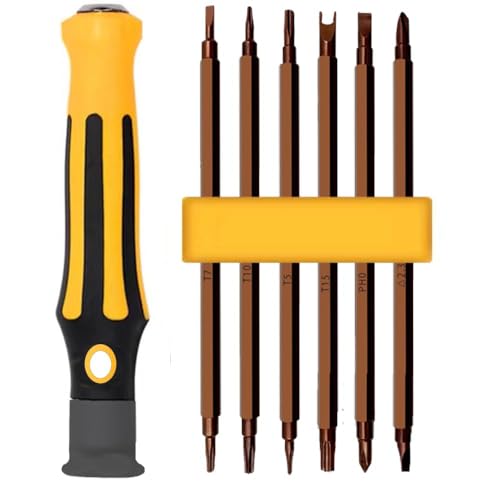
There are 12 different sizes of screwdriver heads in this tool set as follow: Torx T5 T6 T7 T8 T10 T15, Triangle 2.3, Triwing Y3, Spanner U2.3, Slotted 2.0 and 3.0, Phillips Ph0.

【Applicable Models】The Vacuum Cleaner Special Maintenance and Cleaning Disassembly Tool Screwdriver Set Compatible with Dyson V6/V7/V8/V10/V11/V15/V8 Slim/Ditital V10 Slim/Omni-glide Vacuum Cleaner.With this set of tools, you can easily disassemble all models of vacuum cleaners.
Pros and Cons of DIY Repairs
Pros:
- Cost Savings: DIY repairs typically cost less. You save money by not paying labor fees, especially for simple fixes like filter replacements or brush bar cleaning.
- Convenience: You can work on your vacuum whenever it suits you. No need to schedule appointments or wait for service.
Cons:
- Skill Requirements: Successful DIY repairs require some technical knowledge. Without the right skills, you might worsen the problem.
- Time-Consuming: Finding solutions, gathering tools, and fixing the vacuum can take time, even for straightforward repairs.
When to Seek Professional Help
- Complex Repairs: Issues like motor failure or circuit board damage often require specialized training. Professionals can diagnose these problems accurately and ensure proper fixes.
- Warranty Considerations: If your vacuum is under warranty, authorized repairs maintain coverage. DIY repairs may void your warranty.
- Research Options: Look for authorized service centers or reputable repair shops. Check reviews and ratings to identify quality.
- Get Estimates: Before committing, ask for cost estimates to weigh against DIY options. This transparency aids in making informed decisions.
Warranty and Repair Services
Understanding warranty coverage and repair options for your Dyson vacuum can help you save money and ensure effective repairs. Here’s what you need to know.
Recommended Products

The All Floor Cones cleaner head de-tangles all hair lengths⁴ and reveals invisible dust. Designed for all floor types.

Powerful Dyson suction and run time to deep clean your home. Without the cord.

Dyson upright vacuum cleaner change over valve hose
Dyson Warranty Coverage
Dyson vacuums generally come with a 2 to 5-year warranty, depending on the model. This warranty covers manufacturing defects but excludes issues caused by misuse or normal wear and tear. If your vacuum malfunctions within the warranty period, you should first contact Dyson customer service or visit their website for assistance.
- Check Warranty Status: Locate your purchase receipt. It’s vital for confirming warranty eligibility.
- Contact Support: Reach out via phone or chat for guidance on repair options covered under warranty.
- Authorized Repairs: Use Dyson’s authorized service centers to maintain warranty coverage during repairs.
Recommended Repair Services
For effective and reliable repairs, consider these options:
- Authorized Service Centers: Let trained professionals handle complex repairs. Authorized centers provide genuine parts and warranty coverage.
- DIY Repairs: Save costs by handling minor issues, like filter changes or brush bar cleanings. Utilize the Dyson website for tutorials and guides.
- Local Repair Shops: If your vacuum is out of warranty, local repair shops may offer cost-effective services. Ensure they have experience with Dyson products for the best results.
Before proceeding with repairs, gather estimates from different sources. That way, you can make informed decisions about how best to address your vacuum’s issues.
Conclusion
Repairing your Dyson vacuum can be a manageable task with the right knowledge. By understanding common issues and their costs you can make informed decisions about whether to tackle repairs yourself or seek professional help. Always weigh the benefits of using authorized service centers especially if your vacuum is still under warranty.
Don’t forget to gather estimates and consider your options carefully. With a little research and planning you can keep your Dyson running smoothly without breaking the bank. Happy cleaning!
Frequently Asked Questions
What are common issues with Dyson vacuums?
Common issues with Dyson vacuums include loss of suction, battery problems, and motor malfunctions. These problems can affect performance and lead to higher repair costs if not addressed promptly.
How much do Dyson vacuum repairs typically cost?
Repair costs for Dyson vacuums vary based on the issue. Basic repairs, like filter replacement and brush bar cleaning, usually range from $50 to $150. Major repairs, such as motor replacement, can cost between $150 and $300.
Should I use an authorized service center for repairs?
Yes, it’s recommended to use authorized service centers for complex repairs. This ensures that your vacuum maintains its warranty and that repairs are performed by trained professionals.
Can I perform DIY repairs on my Dyson vacuum?
You can perform DIY repairs for minor issues like filter replacement or brush bar cleaning. However, for significant problems, consult a professional to avoid potential damage.
How does warranty affect Dyson vacuum repairs?
Warranty coverage can significantly reduce repair costs. It’s crucial to understand the terms of your warranty and to use authorized service centers for repairs while still under warranty.
