
Do you ever wonder how often you should vacuum your pool to keep it sparkling clean? It’s a common dilemma for pool owners. You might notice leaves, dirt, and debris accumulating at the bottom, and that can take away from the enjoyment of your backyard oasis.
Finding the right balance in your cleaning routine can make all the difference. Regular vacuuming not only enhances the look of your pool but also helps maintain water quality and prolongs the life of your equipment. This article will guide you through the best practices for vacuuming your pool, so you can spend less time cleaning and more time enjoying those sunny days by the water.
Key Takeaways
- Regular Vacuuming is Essential: Maintaining a clean pool enhances its appearance and prolongs the life of your pool equipment by preventing dirt buildup.
- Frequency Depends on Various Factors: Consider pool usage, surrounding environment, season, and type of pool when determining how often to vacuum.
- Summer Requires More Frequent Cleaning: Vacuum your pool once a week during peak swimming season due to higher debris accumulation.
- Different Types of Vacuums Exist: Choose between manual and automatic pool vacuums based on your cleaning preferences and pool type.
- Monitor for Signs of Dirty Water: Look for cloudy water, discolored surfaces, and visible debris as indicators that it’s time to vacuum your pool.
Understanding Pool Maintenance
Maintaining your pool requires regular attention, with vacuuming playing a key role in its upkeep. Proper vacuuming not only keeps your pool clean but also contributes to overall water quality and health.
Importance of Regular Vacuuming
Regular vacuuming keeps your pool free from debris like leaves, dirt, and algae. When you vacuum, you enhance water clarity and remove contaminants that affect chemical balance. A clean pool encourages more enjoyable swimming and minimizes the risk of equipment damage caused by dirt buildup. Aim for a vacuuming routine that matches your pool usage and environmental factors.
Factors Affecting Vacuum Frequency
Several factors determine how often you should vacuum:
- Pool Usage: High usage generates more dirt. If your pool hosts parties or frequent swimmers, vacuum more often.
- Surrounding Environment: Trees and plants near your pool contribute debris. Pools surrounded by foliage often need more frequent vacuuming.
- Season: During warmer months, increased activity can raise the need for vacuuming. In contrast, colder months may see less debris.
- Pool Type: In-ground pools often gather more dirt compared to above-ground pools. Adjust vacuuming based on your pool type.
By observing these factors, you’ll maintain optimal pool conditions and enjoy a sparkling clean swimming environment.
Recommended Vacuuming Frequency
Regular vacuuming keeps your pool clean and enjoyable. Here’s how to determine the best frequency for your pool.
Recommended Products

HELPS MAINTAIN PH LEVEL: Leaf Vac is a self-sufficient cleaner and does not add any water to the pool which may alter pH and Chemical balance.
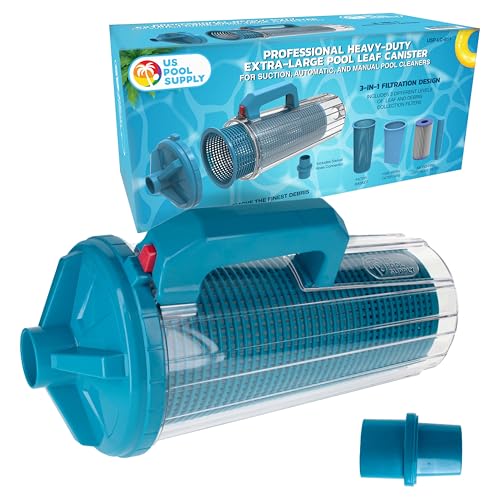
Upgraded Superior Canister Design: Professional heavy-duty extra-large pool leaf canister constructed from thick, UV-resistant, high-impact plastic. The body features reinforced alternating ridgelines that provide extra strength to withstand high suction pressure and harsh outdoor conditions, including chemicals and sunlight, without imploding, cracking, or fading.

The product comes with a fine mesh collection bag (for collecting small insects and other tiny debris) and a regular mesh collection bag (for collecting larger debris like leaves), meeting your various cleaning needs
Seasonal Considerations
During the summer, vacuum your pool once a week. Increased water activity leads to more debris. In fall, vacuum more frequently due to leaves and other organic matter. In winter, adjust to once a month if your pool remains open or every few months if closed.
Pool Usage Patterns
If you swim frequently or host gatherings regularly, vacuum after each event. For less active pools, stick to weekly or bi-weekly cleaning. This routine helps maintain clear water and ensures a pleasant swimming experience.
Different Types of Pool Vacuums
Understanding the types of pool vacuums helps you choose the right one for your pool cleaning needs.
Recommended Products
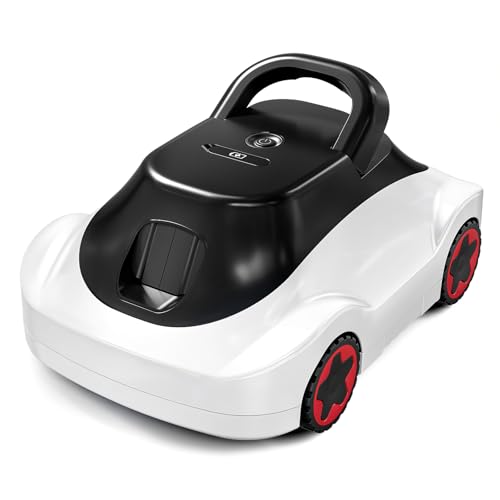
[Built for Above-Ground & Inground Pools — Full-Floor Cleaning] Designed for residential flat-bottom pools up to 2,200 sq. ft., the C5 delivers reliable, hands-free cleaning in both above-ground and inground flat pools. Effective on leaves, sand, dirt, and fine debris — safe for Vinyl liner, Concrete, Fiberglass, and Mosaic Tile surfaces. Ideal for everyday pool maintenance with consistent results every cycle.

Lightweight Design That’s Easy to Lift & Handle: Weighing just 14.3 lbs, this robotic pool cleaner features a compact, lightweight design that's easy to lift, carry, and retrieve from the pool. Perfect for above-ground and small in-ground pools, it makes routine pool maintenance simple and effortless

ACTIVE SCRUBBING: Elevate your pool maintenance with the Dolphin Nautilus AG – active scrubbing brush eliminates manual effort, guaranteeing a pristine pool. Gentle on surfaces, tough on debris. Does not clean walls or waterline.
Manual Pool Vacuums
Manual pool vacuums provide full control over the cleaning process. You connect them to your filter system and move them around the pool to remove debris. These vacuums come equipped with a long pole, allowing you to reach various areas. You clean specific spots as needed, making them great for spot cleaning. They don’t require electricity, but they do demand more effort and time.
Automatic Pool Vacuums
Automatic pool vacuums operate independently, cleaning your pool without much assistance. You set them up, and they navigate around the pool, collecting dirt and debris. These vacuums come in various styles, including suction-side, pressure-side, and robotic options. Suction-side vacuums connect to the pool’s suction line and use water power for movement. Pressure-side vacuums attach to the return line, using water pressure for operation. Robotic vacuums plug into a power source and use motors to maneuver. Automatic vacuums save time and effort, making them popular among pool owners.
Signs That Your Pool Needs Vacuuming
Keeping your pool clean involves regular monitoring. Look for these signs to determine when it’s time to vacuum.
Recommended Products

[𝟮𝟬𝟮𝟲 𝗨𝗣𝗚𝗥𝗔𝗗𝗘𝗗] Light Duty Vacuum Working 60-minute runtime (25% up); complete handheld vacuum set for spot cleaning above-ground pools, hot tub, spas & small pools up to 20 feet; works in 41 - 108°F cold & warm water, Water depth: 12 inches to 9.8 feet.
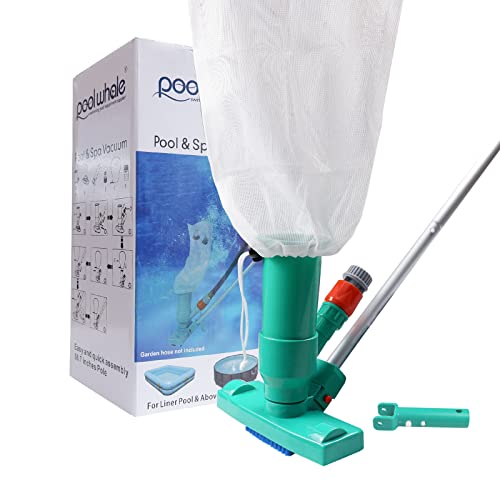
Water-Powered Operation: Pool spa pond mini jet vac vacuum cleaner requires no electric power, uses water pressure from garden hose to vacuum effectively

The product comes with a fine mesh collection bag (for collecting small insects and other tiny debris) and a regular mesh collection bag (for collecting larger debris like leaves), meeting your various cleaning needs.
Water Clarity and Color
Clear, sparkling water indicates proper maintenance. Cloudy or discolored water signals a need for vacuuming. If you notice a greenish tint, algae may be developing. Vacuum promptly to restore water quality.
Presence of Debris
Debris accumulation, including leaves, dirt, or dead insects, indicates a dirty pool. If you see debris settling on the bottom, vacuuming eliminates it effectively. If the pool’s skimmer basket fills quickly, it’s an additional sign that vacuuming is necessary.
Conclusion
Keeping your pool clean is essential for enjoyment and safety. By understanding how often to vacuum based on your pool’s unique needs you can ensure a sparkling oasis. Whether you choose manual or automatic vacuums it’s all about finding what works best for you.
Pay attention to the signs that indicate it’s time to vacuum and adjust your routine as needed. With a little diligence you’ll keep your pool in top shape and ready for fun whenever you are. Enjoy those sunny days by the water knowing your pool is well-maintained!
Frequently Asked Questions
How often should I vacuum my pool?
The frequency of vacuuming your pool depends on usage and environmental factors. Generally, it’s recommended to vacuum once a week. However, increase this to twice a week during peak usage or after heavy rain when debris is likely.
What are the types of pool vacuums?
There are three main types of pool vacuums: manual, suction-side, and pressure-side. Manual vacuums allow for targeted cleaning, while suction-side and pressure-side models automate the process, saving time and effort.
What does a manual pool vacuum do?
A manual pool vacuum provides controlled cleaning, allowing you to focus on specific areas with heavy debris. It requires manual effort and is great for spot cleaning but can be time-consuming for large pools.
How do I know when to vacuum my pool?
Signs that indicate it’s time to vacuum include cloudy water, visible debris like leaves and dirt, and a rapidly filling skimmer basket. Regular inspections can help maintain your pool’s cleanliness.
Can vacuuming improve water quality?
Yes, regular vacuuming removes debris and contaminants, which helps maintain clear water and overall water quality. This is essential for a healthy swimming environment and can reduce the need for chemical adjustments.
