Are you tired of murky water and debris ruining your pool days? You’re not alone. Many pool owners struggle with keeping their pools clean and sparkling. One of the simplest yet most effective ways to tackle this problem is by using a vacuum.
Key Takeaways
- Types of Pool Vacuums: Understand the differences between suction-side, pressure-side, and robotic vacuums to choose the right one for your pool’s size and debris type.
- Preparation Steps: Before vacuuming, clean the pool surface of debris and test the water level to ensure optimal suction and performance.
- Attaching the Vacuum: Follow a step-by-step process, including connecting the vacuum hose to the vacuum head, filling the hose with water, and attaching it to the skimmer.
- Troubleshooting: Be aware of common issues like air leaks and clogs, and learn how to address them to maintain your vacuum’s efficiency.
- Maintenance Importance: Regular cleaning and maintenance of both the vacuum and pool components are crucial for effective debris removal and prolonging equipment life.
Understanding Pool Vacuum Types
Selecting the right type of vacuum for your pool enhances cleaning efficiency. Different types cater to various needs and pool designs. Familiarize yourself with the common vacuum types below.
Recommended Products
![[2026 New] TALOSBO S2 Robotic Pool Cleaner – Dual-Layer Filtration, 90-Min Runtime, Powerful Cordless Pool Vacuum for Above-Ground & Flat Pools, Efficient Debris Removal & Auto-Parking Design](https://m.media-amazon.com/images/I/41Zq4gDShSL._SL500_.jpg)
Dual-Layer Filtration: The S2 robotic pool cleaner features an upgraded dual-layer filter that captures fine particles, sand, leaves, and larger debris. Designed for above-ground and flat pools, this advanced filtration system improves water clarity and extends filter lifespan.
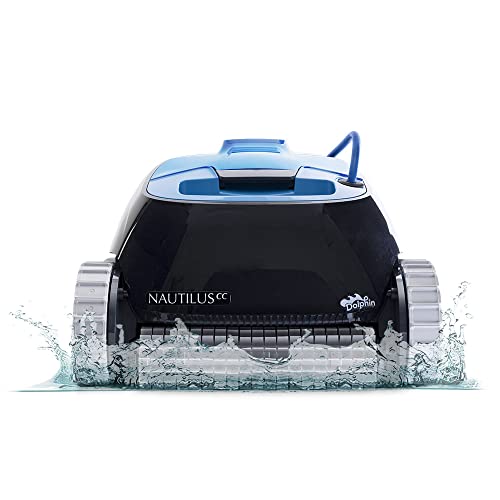
WALL-SCRUBBING POWER: Dolphin Nautilus CC climbs walls efficiently, ensuring thorough cleaning on any pool surface, no matter the shape or surface type.

🐟 【High-Performance Cleaning】The robotic pool cleaner is equipped with a high-performance 180W brushless motor to provide 4800GPH strong suction power, ensures deep-cleaning results every time. It can easily pick up debris like twigs, small stones, effectively removes sand, leaves, tile lines, and scum buildup. Particularly useful for pools surrounded by trees, grass, or in windy areas.
Suction-Side Vacuums
Suction-side vacuums connect to your pool’s skimmer or dedicated suction line. They use the pool’s filtration system to create suction and pull debris into the filter.
- Benefits:
- Simple installation process.
- Often the most affordable option.
- Great for small to medium-sized pools.
- Considerations:
- Can require frequent cleaning of the filter.
- Performance may decrease with significant debris loads.
- Not ideal for larger pools with heavy debris.
Pressure-Side Vacuums
Pressure-side vacuums operate using a separate pressure line connected to your pool’s pump. They utilize water pressure to dislodge debris and send it to an attached bag or container.
- Benefits:
- Efficient with larger debris types, like leaves.
- Independent from the filtering system, reducing strain.
- Generally better for larger pools.
- Considerations:
- Usually more expensive than suction-side variants.
- Requires additional setup for the pressure line.
- May need regular maintenance of the bag or container.
Robotic Vacuums
Robotic vacuums are powered devices that operate autonomously. These units move around the pool independently, using filters to capture waste.
- Benefits:
- Energy-efficient, running on low voltage.
- Complete pool coverage and programmable features.
- No need to connect to the pool’s plumbing system.
- Considerations:
- Higher upfront cost compared to other types.
- Requires occasional cleaning and maintenance.
- May struggle with extremely large debris or oversized objects.
Selecting the right vacuum type depends on your pool’s size, debris levels, and your budget. Each option presents unique advantages tailored to different cleaning needs.
Preparing Your Pool
Preparing your pool involves two key steps: cleaning debris and testing water levels. These actions ensure a smooth vacuum operation and a clean swimming environment.
Cleaning Debris
Start by skimming the surface of your pool with a net. Remove leaves, bugs, and larger debris to prevent clogging the vacuum. Empty the skimmer baskets and check the main drain for any blockages. This preparation improves the vacuum’s efficiency and reduces strain on the filtration system. Use a brush to scrub the walls and tiles, loosening any dirt or algae buildup.
Testing Water Levels
Check the water levels in your pool before attaching the vacuum. Adjust the water level to the midpoint of the skimmer for optimal suction. If the water is too low, the pump may lose prime and lead to damage. If it’s too high, the vacuum might not work effectively. Use a ruler or measuring tape to ensure the correct water depth. This simple test helps maintain the vacuum’s performance and protects your equipment.
How to Attach Vacuum to Pool
Attaching a vacuum to your pool is a straightforward process that enhances cleaning efficiency. Follow these steps to ensure a proper setup.
Recommended Products

【Compatibility】ChangTa sp1106 skim vacuum plate adapter compatible with Hayward pool skimmer models SP1082, SP1084, SP1085, and SP1075 pool in-ground skim vac
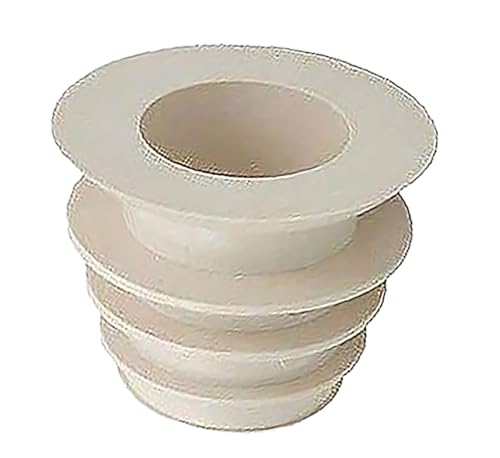
***Buyers BEWARE: This cone adapter ONLY fits 2" suction port of pool skimmer. It DOES NOT fit 1.5" suction port of pool skimmer. Most above-ground pools and lot of older pools have 1.5" suction port which will not fit this cone adapter. Please measure the diameter of pool skimmer suction port for compatibility before you purchase this item.

Applicable: 85001900 Skimmer Vacuum Plate Compatible with Pentair Admiral S15/S20 Precise
Identifying Necessary Equipment
Ensure you have all required gear before starting the attachment process. Here’s what you need:
- Pool Vacuum Head: Choose one that fits your pool type.
- Vacuum Hose: Get a hose long enough to reach your skimmer.
- Telescopic Pole: Use it to maneuver the vacuum head.
- Skimmer Plate or Adapter: Install it for proper connection to the pool’s skimmer.
- Vacuum Filter Bag (if applicable): Use it with certain vacuum models.
- Connect the Hose: Attach one end of the vacuum hose to the vacuum head and ensure it’s secure.
- Fill the Hose with Water: Immerse the vacuum head in the pool to fill the hose completely with water. This prevents air locks.
- Attach to Skimmer: If using a suction-side vacuum, connect the other end of the hose to the skimmer box. Use the skimmer plate or adapter if necessary.
- Adjust the Telescopic Pole: Adjust the pole to the appropriate length, allowing you to reach all areas of the pool comfortably.
- Test the Vacuum: Turn on the pool pump and check for suction at the vacuum head. Make any necessary adjustments.
- Start Vacuuming: Move the vacuum head slowly across the pool floor, allowing it to pick up debris effectively.
Following these steps ensures you maximize the effectiveness of your pool vacuum while keeping the water crystal clear.
Troubleshooting Common Issues
Troubleshooting your pool vacuum ensures it operates efficiently. Common issues often involve air leaks and clogs that can affect performance. Here’s how to address these concerns.
Recommended Products

Helps prevent hose twisting when using hand vacuum

Compatible with INTEX pool hose adapter: Protect your 1.5inch hose and connect with ease! No need to force installation by melting the tip, avoiding damage to your 1.5inch pool hose. The new adapter comes with 1 pc 3.5inch x 1.61inch x 1.74inch rubber connector, 2pcs of stainless steel hose clamps and 1 pc hose B adapter, making it easy to connect and disconnect 1.5inch hoses and other pool accessories

*** This 1.5 inch male/male hose coupling/connector is NOT SWIVEABLE. It can be used as a inside coupling to connect two 1.5" female pool hoses together.
Air Leaks
Air leaks disrupt vacuum suction, leading to inadequate cleaning. You can check for air leaks in several areas:
- Hoses: Inspect hoses for cracks or holes. A damaged hose can’t maintain suction.
- Connectors: Ensure all connectors are securely attached. Loose connections allow air to enter the system.
- Skimmer: Check the skimmer connection. If it’s loose or damaged, you may need to replace the seal.
If you spot an air leak, repair or replace the affected part. Sealing small cracks with waterproof tape can offer a temporary fix.
Clogs and Blockages
Clogs and blockages hinder cleaning effectiveness. To identify and clear them, follow these steps:
- Filter Basket: Regularly empty the filter basket. A full basket restricts water flow.
- Hose: Examine the entire hose length. Look for bends or kinks that block water.
- Vacuum Head: Clean the vacuum head for debris buildup. This ensures optimal water flow.
If a clog persists, detaching the hose and flushing it with water often clears debris. For more stubborn blockages, consider using a plumbing snake.
Addressing these common issues keeps your pool clean and your vacuum working efficiently.
Conclusion
Getting your pool vacuum attached properly makes all the difference in keeping your pool sparkling clean. By choosing the right type of vacuum and following the steps outlined, you’re setting yourself up for success.
Remember to keep an eye out for common issues like air leaks and clogs. Addressing these problems early can save you time and hassle down the line.
With a little effort and the right approach, you can enjoy a pristine pool all season long. Happy swimming!
Frequently Asked Questions
What are the different types of pool vacuums?
There are three main types of pool vacuums: Suction-Side, Pressure-Side, and Robotic Vacuums. Suction-Side vacuums connect to your pool’s skimmer and use the existing suction to clean. Pressure-Side vacuums use water pressure from your pool’s return line, while Robotic Vacuums operate independently using their own power supply. Each has its own advantages, depending on your pool’s needs and your budget.
How do I attach a pool vacuum?
To attach a pool vacuum, first, ensure the pump is off. Connect the vacuum head to the telescopic pole, then attach the hose to the vacuum head. Submerge the vacuum and hose in the pool to remove air, then connect the other end of the hose to the skimmer or dedicated cleaner line. Turn on the pump to start cleaning.
What factors should I consider when choosing a pool vacuum?
When selecting a pool vacuum, consider installation type, maintenance requirements, and budget. Suction-Side vacuums are usually more affordable but may require more maintenance. Pressure-Side vacuums are easier to use but can be pricier. Robotic vacuums offer convenience and efficiency, but they represent the highest upfront cost. Analyze your pool type and cleaning needs to make the best choice.
How can I troubleshoot common pool vacuum issues?
Common pool vacuum issues include air leaks, clogs, and inadequate suction. To troubleshoot, first, check for air leaks in the hose or connections. Ensure the filters and skimmer are clean to prevent clogs. If suction is weak, inspect the vacuum head for obstructions and verify that the pump is functioning properly. Regular maintenance can also prevent these problems from occurring.
What maintenance is required for pool vacuums?
Regular maintenance for pool vacuums includes cleaning filters, hoses, and the vacuum head. Check for any wear or damage, especially in crucial components, and replace them as needed. Clear debris and clogs to maintain optimal suction. Additionally, ensure the vacuum is stored properly when not in use to prolong its lifespan and efficiency.