
Have you ever wondered if your vacuum is really pulling its weight? A weak suction can leave dirt and dust behind, making your cleaning efforts feel pointless. You’re not alone; many people face this frustrating issue with their vacuums.
Knowing how to check your vacuum’s suction power can save you time and hassle. This article will guide you through simple steps to assess your vacuum’s performance. You’ll learn how to identify potential problems and ensure your vacuum is working as effectively as possible. With a few quick checks, you can keep your space clean and fresh without breaking a sweat.
Key Takeaways
- Understanding Suction Power: Vacuum suction power is crucial for effective dirt and debris removal. Regular assessment can ensure your vacuum performs optimally.
- Measuring Techniques: Use suction gauges, paper tests, and manufacturer specifications to evaluate suction power accurately and identify potential issues.
- Maintenance Matters: Keep filters clean, remove blockages from hoses and brush rolls, and regularly empty dust bins to maintain strong suction.
- Proper Tools: Utilize common household items and specialized tools like digital manometers and vacuum meters for precise measurements of suction power.
- Upgrade and Optimize: Enhance your vacuum’s performance by upgrading accessories, maintaining seals and belts, and using the appropriate attachments for different surfaces.
Understanding Vacuum Suction Power
Vacuum suction power refers to the effectiveness of a vacuum cleaner in removing dirt and debris. This power determines how well the vacuum can pick up dust, pet hair, and other particles from different surfaces. Knowing how to assess it ensures your vacuum performs at its best.
Measuring Suction Power
- Check Specifications: Look for the vacuum’s suction power, typically measured in air watts (AW) or cubic feet per minute (CFM). Higher values usually indicate stronger suction.
- Use a Suction Gauge: A suction gauge measures the pressure difference created by the vacuum. Attach the gauge to the end of the hose while the vacuum runs, and note the reading.
- Test with a Piece of Paper: Hold a piece of paper against the nozzle. A strong vacuum should easily lift the paper. If it drops, the suction may be weak.
Factors Affecting Suction Power
- Filter Condition: Dirty or clogged filters block airflow, reducing suction. Regularly cleaning or replacing filters maintains optimal performance.
- Hose and Brush Roll: Debris in the hose or brush roll can obstruct airflow. Inspect these areas for blockages and clean them as needed.
- Seal Integrity: Leaks in the vacuum’s seals reduce suction. Check all connections, ensuring a tight fit.
- Regular Maintenance: Schedule routine maintenance. Clean or replace filters, empty dust bins, and check hoses monthly.
- Upgrade Accessories: Some vacuums come with various attachments. Use the right tools for different surfaces to maximize suction.
- Adjust Height Settings: For upright vacuums, adjust the height setting according to the surface. Lower settings work better on carpet, while higher settings suit hard floors.
By understanding and checking your vacuum’s suction power, you can enhance its performance and ensure a cleaner living space.
Tools Needed for Checking Suction Power
You’ll need a few tools to accurately check your vacuum’s suction power. A mix of common household items and specialized devices can help assess performance effectively.
Recommended Products
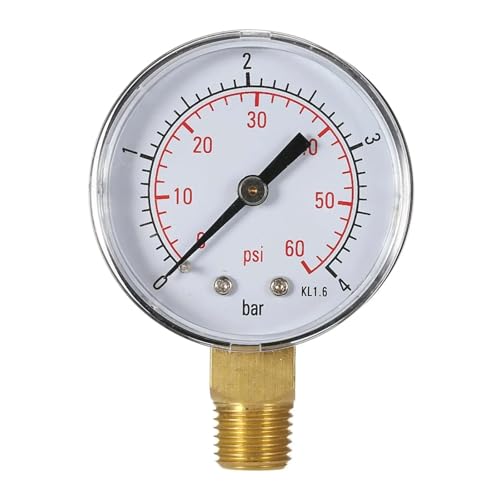
Easy to read pressure levels with large clear dial face designed for accurate measurement of water pressure in pool filter systems

Slip-Resistant Handle for Safe Handling: The KVNTOOLS electric suction cup features a non-slip handle that ensures a firm grip, providing you with maximum control and safety during lifting operations.
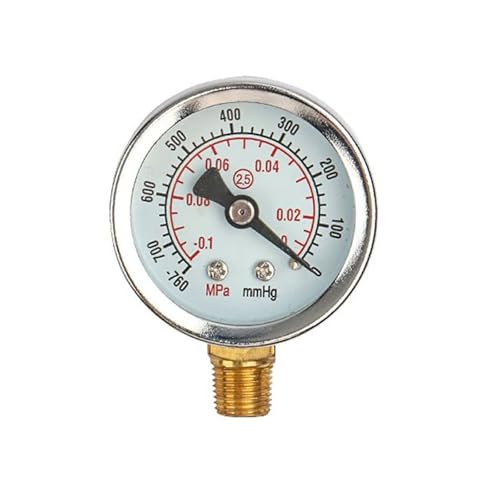
Measures vacuum pressure in air pump oil water separator and pneumatic systems with clear analog dial
Common Household Items
- Paper: You can use a standard piece of paper to conduct a basic suction test. Hold it up to the vacuum’s nozzle; if it sticks firmly, your vacuum has good suction power.
- Measuring Tape: Measure the distance between the vacuum and the surface. This will help identify how effective the vacuum’s suction is from varying distances.
- Plastic Bottle or Can: Place the bottle or can in front of the vacuum. If the suction pulls it toward the nozzle, your vacuum maintains solid performance.
- Suction Gauge: Invest in a suction gauge for precise readings. This device measures the vacuum’s airflow and suction level in inches of water lift or kilopascals.
- Digital Manometer: For accurate pressure measurements, a digital manometer can assess your vacuum’s suction strength. This tool displays vacuum levels digitally, offering quick insight into performance.
- Vacuum Meter: A vacuum meter offers a visual display of suction power. It connects to the vacuum’s hose, providing real-time feedback on suction effectiveness.
With these tools, you can easily check the suction power of your vacuum, ensuring it performs at its best for cleaning tasks.
Step-by-Step Guide to Check Vacuum Suction Power
Checking your vacuum cleaner’s suction power helps ensure it operates efficiently. Follow these straightforward steps to assess its performance.
Recommended Products
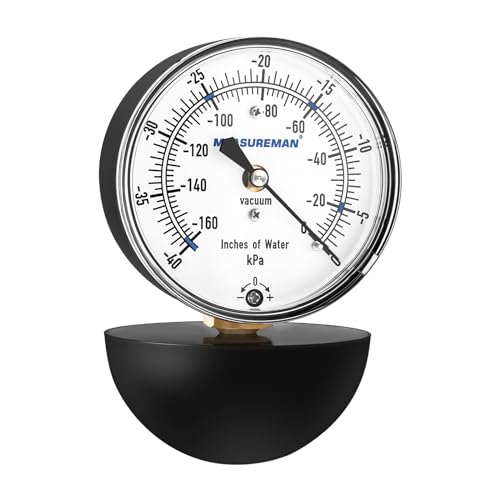
Water Lift Suction Gauge for all Household Vacuum Cleaners.Users of central vacuum systems can benefit a lot from the purchase of a central vacuum suction gauge.More precisely, this tool enables them to keep a constant eye on any variances that might occur in their central vacuum systems and therefore to compare their systems to the new ones proposed by the profile market on a regular basis.

【Application】For measuring and testing the sealed vacuum pressure of a ducted vacuum system. Great for detecting leaks and blockages. Suitable for household vacuum cleaners and central vacuums.

Steel wire hose size:1 1/2" ID x 1 3/4" OD - 10 Ft, wall thickness: 1/10'',come with 2 hose clamps.
Preparing the Vacuum Cleaner
- Unplug the Vacuum: Always unplug before any adjustments or measurements.
- Inspect Filters: Make sure filters are clean. Dirty filters can reduce suction.
- Empty the Canister or Bag: A full bag or canister decreases suction power. Empty it before testing.
- Check Hose and Attachments: Look for blockages in the hose, and ensure attachments fit snugly without leaks.
- Gather Your Tools: Use a piece of paper, measuring tape, and optional suction gauge or vacuum meter for accuracy.
- Place Paper Near the Nozzle: Hold a piece of paper flat against the nozzle. The distance should be about one inch from the surface.
- Turn On the Vacuum: Power on the vacuum, and observe if the paper sticks to the nozzle.
- Use the Measuring Tape: If available, measure the distance the nozzle lifts the paper. The higher it lifts, the stronger the suction.
- For Precision, Utilize a Suction Gauge: Attach a suction gauge to monitor pressure. A reading in inches of water column provides an accurate measure of suction power.
- Record Your Findings: Note the results to compare over time and check for performance changes.
Interpreting the Results
Understanding the results of your vacuum suction power test is crucial for determining its effectiveness. The measurements you obtain provide insight into your vacuum’s overall performance.
What the Numbers Mean
Measurements typically show suction power in inches of water lift (inH2O) or pascals (Pa). Higher numbers indicate greater suction capability. For instance:
- 20 inH2O corresponds to adequate suction for carpets.
- 30 inH2O shows excellent performance for rugs and deep-cleaning tasks.
- 40 inH2O or above often signifies commercial-grade vacuums, ideal for extensive cleaning needs.
If your readings fall below these ranges, consider checking for blockages or filter issues.
Comparing with Manufacturer Specifications
Check your vacuum cleaner’s manual for manufacturer specifications. Most brands provide a suction rating, which acts as a benchmark. If your measured suction power is lower than the specified value, you may need to perform maintenance, such as:
- Emptying the dustbin: A full dustbin can significantly reduce suction.
- Cleaning or replacing filters: Clogged filters restrict airflow.
- Inspecting hoses and attachments: Cracks or leaks reduce vacuum efficiency.
By comparing your results with these specifications, you can better assess your vacuum’s health and performance.
Enhancing Your Vacuum’s Suction Power
Improving your vacuum cleaner’s suction power ensures a cleaner home. Follow these practical tips.
Recommended Products

【Essential Household Cleaning Tools】Is your dryer taking longer to dry clothes and leaving a musty smell? Lint deep inside vents blocks airflow, leaving clothes damp and odorous. Our dryer lint vacuum attachment easily removes trapped lint and restores smooth airflow—so every load comes out fresh and dry.

【1-1/4 Inch Compatibility, Instant Upgrade】 Engineered to fit vacuum cleaners with a 1-1/4-inch (32mm) inner diameter hose or port. Simply click it in and instantly extend your reach to tricky spots your main floor head can't get to.
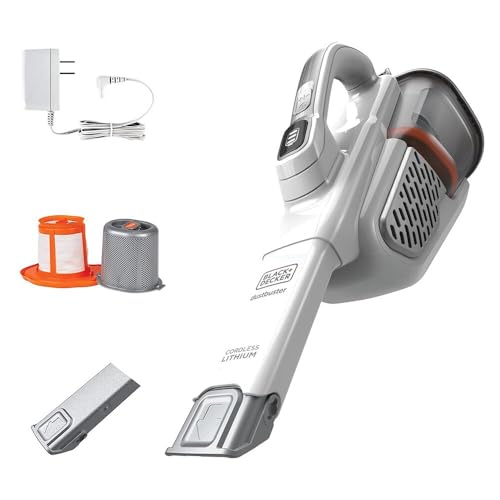
Up to 4X more suction power than our leading hand vacuum
Clean and Maintain Filters
- Wash or replace filters regularly. Clogged filters restrict airflow. Clean them according to the manufacturer’s guidelines.
- Use pre-motor filters. These traps dust before it reaches the motor, helping maintain optimal suction.
Check for Blockages
- Inspect hoses and attachments. Cracks or blockages in hoses reduce suction. Clear any obstructions you find.
- Examine brush rolls. Hair and debris can wrap around brush rolls, limiting their effectiveness. Remove build-up monthly.
Optimize Dustbin Usage
- Empty the dustbin frequently. A full dustbin caps vacuum performance. Aim to empty it when it reaches 50-75% capacity.
- Use a quality dustbin filter. Some models feature a dustbin filter that captures fine particles.
Select Appropriate Accessories
- Choose the right attachments. Use specific tools for different surfaces. A carpet tool works well on carpets but not on hard floors.
- Use a crevice tool. This helps reach tight spaces where dirt tends to accumulate.
Consider Upgrading Parts
- Upgrade to high-efficiency nozzles. These nozzles often enhance suction on carpets and hard floors.
- Invest in a stronger motor. If your vacuum model allows it, a motor upgrade can make a significant difference.
- Inspect belts and seals. Worn belts or seals can lead to air leaks. Replace these parts as necessary.
- Monitor performance. If suction declines, it might signal components that need attention or replacement.
These steps help you enhance your vacuum cleaner’s suction power, delivering an effective cleaning experience.
Conclusion
Keeping your vacuum cleaner’s suction power in check is key to efficient cleaning. By regularly measuring and maintaining its performance you can ensure it works at its best.
With simple steps like cleaning filters and checking for blockages you can enhance its efficiency. Don’t forget to choose the right accessories and consider upgrades when necessary.
Taking these actions not only improves your vacuum’s suction but also makes your cleaning routine easier and more effective. Happy cleaning!
Frequently Asked Questions
What is vacuum suction power?
Vacuum suction power refers to the ability of a vacuum cleaner to draw in dirt and debris. It’s measured in inches of water lift or air watts, indicating how effectively the vacuum can clean various surfaces.
How can I measure my vacuum cleaner’s suction power?
You can measure suction power using a suction gauge or manometer, or by performing a simple test, like trying to lift a small object. Make sure to check the manufacturer’s specifications for reference.
What factors influence suction power?
Several factors influence suction power, including the vacuum design, motor efficiency, filter cleanliness, hose and attachment quality, and airflow obstructions in the system.
How can I maintain my vacuum cleaner for optimal suction power?
Regularly clean or replace filters, empty the dustbin, check for blockages, and inspect hoses and attachments. Following these steps can help maintain and improve suction efficiency.
What accessories can enhance a vacuum cleaner’s suction power?
Using the right accessories can enhance suction power. For example, specialized nozzles for carpets or hard floors can improve cleaning efficiency. Always select accessories suited to your specific cleaning needs.
When should I consider upgrading my vacuum cleaner?
Consider upgrading your vacuum cleaner if you notice a significant decline in suction power, frequent blockages, or if it no longer meets your cleaning needs. Upgraded models offer better technology and efficiency.
