
Ever found yourself frustrated with bubbles in your silicone projects? You’re not alone. Many crafters and DIY enthusiasts face this issue, especially when working with silicone molds. Those pesky air bubbles can ruin your creations, leaving you wondering how to achieve that flawless finish without a vacuum chamber.
Key Takeaways
- Understanding Degassing Importance: Degassing silicone is crucial to prevent air bubbles that can compromise the aesthetic and functional integrity of your projects.
- Effective Techniques: Utilize methods such as gentle stirring, heat application, tapping the container, and slow pouring to effectively remove air bubbles without a vacuum chamber.
- Best Mixing Practices: Always mix silicone components slowly and thoroughly, and use clean tools to minimize air incorporation.
- Utilize Additives: Consider using compatible degassing additives or low-bubble formulations to reduce air trap during the mixing process.
- Troubleshoot Common Issues: Address persistent bubble problems by adjusting mixing techniques, ensuring proper temperature, and allowing for adequate resting time after mixing.
Understanding Silicone Degassing
Silicone degassing removes air bubbles from your silicone mixture, ensuring a smooth and flawless finish. This process is vital, especially for those using silicone molds.
Importance of Degassing Silicone
Degassing silicone prevents air bubbles that can ruin the aesthetics and integrity of your project. Air bubbles can create weaknesses, leading to cracks or breaks over time. A seamless finish is essential for both cosmetic and functional applications. Clarity in your silicone also improves the final product’s appearance, making it more visually appealing.
Common Methods of Degassing
Several methods can effectively degas silicone without a vacuum chamber:
- Stirring Technique: Stir the silicone slowly and steadily. Avoid quick and vigorous mixing, as this incorporates additional air. Gradually pull the stir stick up to release trapped air bubbles.
- Heat Application: Gently heat the silicone in a microwave or with a heat gun. Warmth causes air bubbles to rise to the surface. Keep the temperature low to prevent damaging the silicone.
- Tap Method: Tap the mixing container lightly on a flat surface. This jolting motion encourages bubbles to move towards the surface for easy removal.
- Pouring Trick: Pour the silicone slowly into another container from a height. The exposure to air helps some bubbles escape.
- Use of Additives: Some manufacturers offer degassing additives that reduce bubble formation within silicone during mixing. Always check compatibility with your specific silicone type.
Implementing these methods increases the quality of your silicone projects, enhancing overall results.
Techniques for Degassing Silicone Without a Vacuum Chamber
Degassing silicone without a vacuum chamber can still yield excellent results. Here are several effective techniques to remove air bubbles and achieve a smooth finish.
Recommended Products

【𝟑𝐆𝐚𝐥𝐥𝐨𝐧 𝐕𝐚𝐜𝐮𝐮𝐦 𝐂𝐡𝐚𝐦𝐛𝐞𝐫】Vacuum chamber size: 10.4"IDx9.8"H. Gauge being mounted 7" from the bottom of the chamber; Increasing the bottom thickness to avoid slight depressions during vacuum.

Vacuum Chamber with Vacuum Pump:The package includes a 5-gallon vacuum chamber, a 4.5 cfm vacuum pump, a 1.5 m hose,2 silencers, a silicone pad, one set of installation tools, and other tools like rubber gloves and waterproof tape
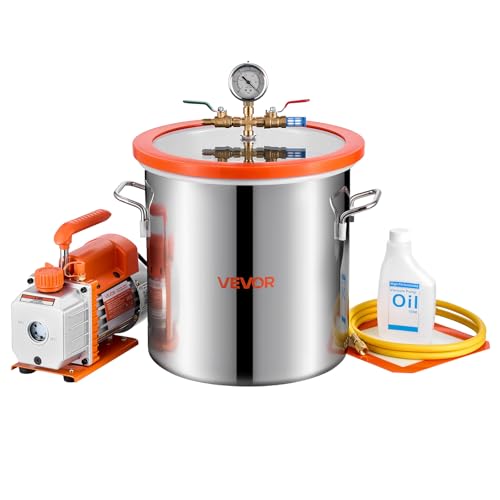
Powerful Degassing Performance: Our 3.5 CFM vacuum pump is built for efficient degassing and air extraction, reaching an ultimate vacuum of 5 Pa. Ideal for laboratory applications, food packaging, resin casting, and wood stabilizing, it has you covered
Manual Degassing Techniques
- Stir Gently: Stir silicone slowly to minimize air incorporation. Use a clean mixing stick and scrape the sides of the container to ensure thorough mixing.
- Let It Sit: After mixing, allow the silicone to sit for several minutes. This resting period helps larger bubbles rise to the surface and escape.
- Tap the Container: Firmly tap the sides of the mixing container. This action can dislodge trapped air bubbles, making them rise to the surface more quickly.
Heat and Pressure Method
- Apply Heat: Use a heat gun or hairdryer on a low setting to warm the silicone. Heat reduces viscosity, allowing bubbles to rise more easily.
- Create a Pressure Environment: Place the silicone under a heavy object, like a book or weight. This pressure helps forces trapped air bubbles to escape from the material.
- Invest in a Pressure Pot: A pressure pot is an excellent tool for degassing silicone. Choose one with a pressure gauge for accurate monitoring.
- Prepare the Silicone: Pour the silicone into the pot without trapping air bubbles. Ensure it’s loosely covered as the pressure increases.
- Set the Pressure: Increase the pressure inside the pot to 30 psi or more. This pressure compresses air bubbles, causing them to shrink or disappear entirely.
- Hold the Pressure: Maintain the pressure for about 5 to 10 minutes, allowing bubbles to escape. Release pressure slowly and remove the silicone when finished.
These methods offer practical solutions for degassing silicone without needing a vacuum chamber, ensuring a smoother and more durable final product.
Tips for Effective Degassing
Degassing silicone effectively requires careful attention and proper methods. Consider the following tips to enhance your silicone projects.
Recommended Products

1️⃣ Beginner-Friendly 1:1 Mix – Easy to Use, Even First Time This platinum cure silicone uses a simple 1:1 mixing ratio, making mold making easy and stress-free for beginners. Clear instructions and forgiving working time help first-time users achieve successful results without complex tools or experience.
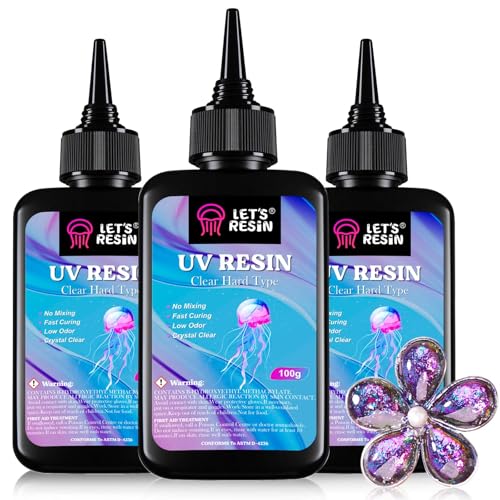
Faster Curing: UV resin beats AB epoxy resin with its quick curing time and no mixing required. We are dedicated to professionally researching and developing high-quality UV epoxy resin, promising rapid, effective curing with UV light in minutes and a non-sticky finish. Whether you’re making a personalized resin keychain as one of the sweetest mother day gifts for mom, or a tiny resin heart pendant for a friend, it lets you finish heartfelt mother’s day gifts quickly without sacrificing quality.
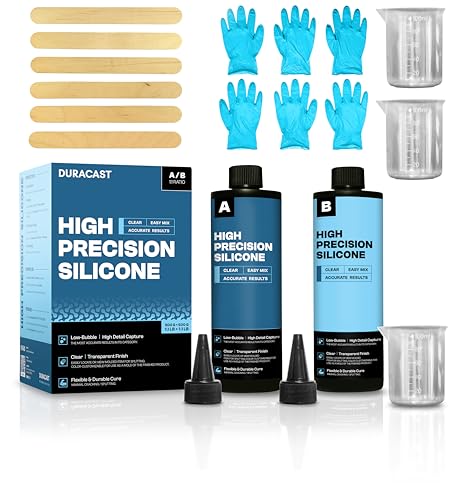
Professional Grade 2-Part Silicone Kit: Includes two precision-formulated bottles of liquid silicone, each weighing 1.1 lbs (500 g), delivering a total of 2.2 lbs (1 kg) of high-quality material for demanding mold-making applications.
Best Practices for Mixing Silicone
- Add Silicone Components Slowly: When mixing, add components slowly to minimize air incorporation. Pouring too quickly can introduce unwanted bubbles.
- Use a Clean Mixing Tool: Always use a clean spatula or stick for mixing. Contaminants can affect the curing process and result in poor finishes.
- Mix Gently: Stir the silicone gently instead of vigorously. This reduces the likelihood of trapping air within the mixture.
- Mix Thoroughly: Ensure all components are combined well for even curing. Any unmixed materials can lead to defects in the final product.
- Select Low-Bubble Formulations: Some silicone types are designed to minimize air bubbles during mixing. Look for those formulated specifically for mold making or casting.
- Consider Viscosity: Thinner silicone often traps fewer bubbles compared to thicker varieties. Opt for a viscosity that meets your project needs while permitting easy mixing and pouring.
- Explore Additives: Certain additives can help reduce bubbles. Consider anti-foaming agents, but use them as per manufacturer’s instructions to avoid compromising the silicone’s properties.
- Research Brand Recommendations: Different brands offer various silicone products with specific properties. Read reviews and choose reputable brands known for reliable degassing performance.
Troubleshooting Common Issues
When working with silicone, you might encounter some common issues during the degassing process. Here are solutions to help you troubleshoot effectively.
Recommended Products

Hands-Free: Winartton Resin Mixer allows you to mix effortlessly with just the push of a button. No need to hold it—after running for 1min, it automatically shuts off. This feature helps prevent strain on your hands and joints, saving your energy for more creative tasks. It's the perfect tool for crafting resin jewelry, art pieces, and other DIY projects

LARGE CAPACITY - 1000ml / 33.8OZ measurements cups, wide mouth, more convenient for operation of large volume, suitable for larger resin crafts projects.
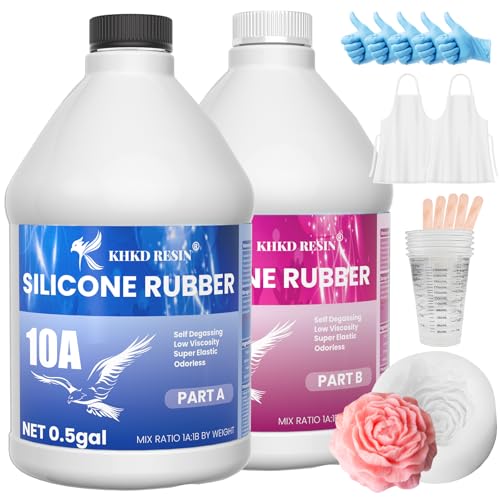
【PREMIUM SILICONE FOR MOLD MAKING】KHKD RESIN liquid silicone for mold making is platinum-cured, made from safe silicone materials that are non-toxic and odorless. It is highly flexible, soft, and transparent.
Bubbles Persisting After Degassing
If bubbles remain after degassing, check the following points:
- Mixing Technique: Stir gently to avoid introducing more air. Use a slow, consistent motion.
- Additive Reaction: Some additives can generate bubbles. Ensure compatibility with your silicone.
- Temperature: Colder silicone can trap air. Warm it slightly before mixing.
- Time: Let your silicone sit a little longer after stirring. Allowing it to rest can help trapped air escape.
Inconsistent Results
Inconsistencies in your silicone projects may arise due to variations in your degassing methods. Consider these strategies:
- Mixing Speed: Maintain a steady mixing speed to avoid varying bubble content.
- Silicone Quality: Use high-quality, low-bubble silicone formulations. Research brands to find reliable options.
- Environmental Factors: Humidity and temperature can affect how silicone reacts. Work in a controlled environment for better consistency.
- Equipment Use: Ensure that your mixing tools are clean and dry. Contaminants can cause unpredictable results.
By addressing these issues through careful technique and preparation, you can enhance your silicone projects and achieve the desired, bubble-free finish.
Conclusion
Mastering the art of degassing silicone without a vacuum chamber opens up a world of possibilities for your projects. By applying the techniques discussed and troubleshooting any hiccups along the way, you can achieve that smooth and flawless finish you desire.
Remember to pay attention to your mixing methods and the environment around you. With a little patience and practice, you’ll find yourself creating stunning silicone pieces free of pesky air bubbles. So go ahead and dive into your next project with confidence, knowing you’ve got the tools to succeed!
Frequently Asked Questions
What are air bubbles in silicone projects?
Air bubbles in silicone projects occur when trapped air mixes with the silicone, leading to imperfections in the final product. These bubbles can impact both the appearance and functionality of the silicone.
Why is degassing silicone important?
Degassing silicone removes trapped air bubbles, ensuring a smooth, flawless finish. This process is crucial for achieving high-quality results in silicone molds and applications, preventing defects in the final product.
What methods can I use to degas silicone?
Common methods for degassing silicone include stirring slowly, applying heat to reduce viscosity, tapping to release trapped air, and using additives specifically designed to promote bubble release.
How can I troubleshoot persistent bubbles in my silicone?
To troubleshoot persistent bubbles, try adjusting your mixing technique, checking reactions with additives, controlling the temperature, allowing the silicone to rest, and ensuring steady mixing speed.
What can cause inconsistent degassing results?
Inconsistent degassing results may stem from using low-quality silicone, environmental factors (like humidity), improper mixing speeds, or not adequately cleaning tools and equipment before use.
Do I need a vacuum chamber for effective degassing?
No, a vacuum chamber is not necessary for effective degassing. By using proper mixing techniques and other methods like heat application, you can achieve bubble-free silicone without a vacuum setup.
