
Have you ever found yourself struggling to disconnect the hose from your Dyson vacuum? You’re not alone. Many people face this common issue, especially when they’re in a hurry to switch attachments or clean different areas of their home.
Key Takeaways
- Understanding Your Model: Familiarize yourself with your specific Dyson vacuum model to know the proper hose disconnection method.
- Step-by-Step Process: Follow a systematic approach: turn off the vacuum, locate the release mechanism, and gently pull the hose away.
- Prevent Damage: Correct hose detachment helps avoid wear and tear, maintaining optimal suction power and prolonging the vacuum’s lifespan.
- Troubleshooting Tips: Address common issues like a stuck hose by checking for blockages, twisting gently, and applying lubrication if necessary.
- Regular Maintenance: Clean the hose regularly and inspect for wear to enhance performance and ensure effective cleaning results.
- Consult Your Manual: Always refer to the user manual for guidance on your specific model, especially for troubleshooting and replacement parts.
Understanding Your Dyson Vacuum Model
Knowing your specific Dyson vacuum model is crucial for effectively disconnecting the hose. Each model may have unique features and mechanisms for hose attachment, affecting how you detach it.
Common Models and Features
Dyson offers several popular vacuum models, each with distinct designs. Here are a few notable ones:
- Dyson V-series: Lightweight and cordless, the V-series models typically feature a press-button hose release.
- Dyson Ball: Known for its maneuverability, the Ball series often requires you to pull a tab on the handle to disconnect the hose.
- Dyson Cinetic: These models contain cyclonic technology; across the Cinetic line, hose detachment usually involves turning a knob.
Familiarizing yourself with the features of your model streamlines the process. Refer to the user manual for specific instructions related to your vacuum for optimal results.
Benefits of Proper Hose Detachment
Properly detaching the hose from your Dyson vacuum prevents damage and enhances performance. Here are a few benefits:
- Prevent Wear and Tear: Correct disconnection prevents strain on the hose, extending its lifespan.
- Maintain Suction Power: Ensuring a tight seal when reattaching the hose keeps suction optimal and efficient.
- Ease of Use: Smooth and straightforward hose disconnection allows quick transitions between tasks, helping you save time.
Understanding your vacuum model and following recommended detachment methods ensures your Dyson operates effectively and lasts longer.
Step-by-Step Guide on How to Disconnect Hose from Dyson Vacuum
Disconnecting the hose from your Dyson vacuum is essential when switching attachments or for maintenance. Follow these steps to make the process quick and efficient.
Recommended Products
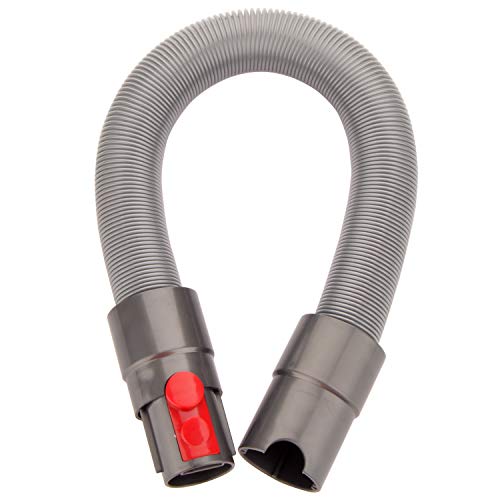
Wide Compatibility: fits for Dyson cordless handheld Gen 5 Gen5 V15 V15s V11 V12 V9 V8 V7 V10 SV10 SV11 SV12 SV14 SV15 SV16 SV18 SV27 SV28 SV29 Detect/Outsize/Slim/Torque Drive/Absolute/Cyclone/Animal/Trigger,and more stick vacuum cleaner models

[COMPATIBLE WITH DYSON]: This sets compatibles nicely with the vacuum you are using. The adapter can compatible with Dy son V7 V8 V10 V11 V12 V15 etc cordless vacuum cleaner. We have upgraded and designed this patented product, the Dryer Vent Cleaner Kit, to work well with the hoover you are using. Note: Cannot be used with electrically driven tools or floors heads or other brand vacuum cleaner
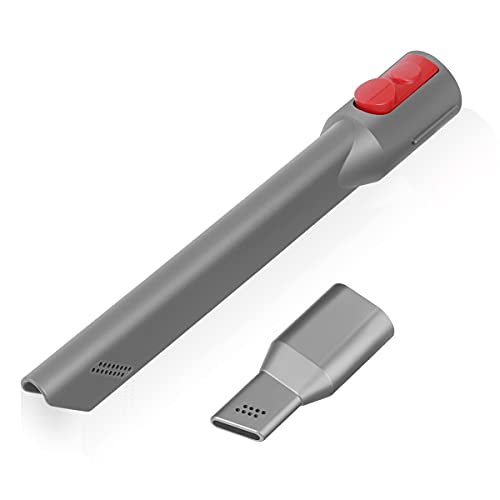
Wide Compatibility: This crevice tool attachment is compatible with V15 V12 V11 V10 V9 V8 V7 Gen5 G5 SV10 SV11 SV12 SV13 SV14 SV15 SV16 SV17 SV18 SV20 SV22 SV23 SV24 SV25 SV26 SV27 SV28 SV29 SV30 SV37 and Outsize model Cordless Vacuum (Notice: Not fit V6, DC series, and ball/canister/animal models)
Preparing Your Vacuum for Disconnection
- Turn Off the Vacuum: Ensure the vacuum is powered off and unplugged from the electrical outlet to prevent accidents.
- Check Model Manual: Refer to the user manual for specific instructions related to your vacuum model, as mechanisms may vary. Familiarity with your model’s features simplifies the detachment process.
- Locate the Hose Disconnect Mechanism: Find the release button or tab specific to your Dyson model. For V-series models, it’s usually a press button. For Ball series vacuums, look for a pull tab.
- Depress or Pull the Mechanism: Press or pull the release mechanism firmly. You’ll hear a click signaling that the hose is ready for detachment.
- Gently Pull the Hose Away: While operating the release mechanism, grasp the hose firmly and pull it away from the vacuum’s body. Avoid yanking to prevent damage.
- Inspect the Connection Points: After disconnection, check both the hose and vacuum connection points for debris or blockages. Clean as necessary to maintain performance.
By following these clear steps, you can disconnect the hose from your Dyson vacuum efficiently while ensuring it remains in excellent condition.
Troubleshooting Common Issues
Disconnecting the hose from your Dyson vacuum can sometimes present challenges. Here are common issues and their resolutions to help you manage the process smoothly.
Hose Stuck or Difficult to Remove
If the hose is stuck, it often results from debris buildup or damage. To resolve this:
- Check for Blockages: Inspect the hose for clogs. Clear any visible debris with your hands or a tool.
- Twist Gently: If your hose feels stuck, gently twist and wiggle it while pulling. This can help loosen it.
- Inspect Connections: Examine the connection points on both the vacuum and the hose for signs of wear or damage. Clean any dirt around these areas to ensure a better fit.
- Apply Lubrication: A small amount of silicone-based lubricant can help ease the connection if you frequently encounter issues. Avoid using oil-based products to prevent residue buildup.
What to Do If the Attachments Are Damaged
Damaged attachments can hinder your vacuum’s performance. Here’s how to address this:
- Identify Damage: Look for cracks, tears, or obstructions in the attachments. Take note of any issues before trying to disconnect.
- Consult the Manual: Refer to your Dyson vacuum manual for replacement guidance specific to your model.
- Order Replacement Parts: Purchase official attachments from Dyson’s website or authorized retailers. Ensure you select parts compatible with your vacuum model.
- Check Warranty: If your vacuum is under warranty, contact Dyson support for possible repairs or replacements.
These steps can help you troubleshoot and maintain your Dyson vacuum effectively.
Maintenance Tips for Your Dyson Vacuum
Maintaining your Dyson vacuum enhances its performance and increases its lifespan. Follow these essential tips to keep your vacuum in top shape.
Recommended Products

[Stretch Universal Connector] PetOde dryer lint vacuum cleaner attachment is designed with a premium elasticated stretch universal connector that can be connected to most vacuum cleaners! Say goodbye to the worry of purchasing incompatible attachment models

Home Essentials: Holikme dryer vent cleaner kit can easily help you to remove years of built up lint from your dryer vent, making your appliance runs more efficiently and securely; Suitable for most dryer types, please kindly check our product size information for reference in order to better shopping experience

Designed for Dyson Vacuums – Perfectly fits Dyson V7, V8, V10, V11, V15, and Gen5 models, ensuring a secure and seamless connection with your vacuum.
Cleaning the Hose Regularly
Cleaning the hose prevents blockages and maintains suction power.
- Detach the Hose: Ensure the vacuum is off, then disconnect the hose according to your model’s instructions.
- Rinse with Water: Use lukewarm water to rinse the inside and outside of the hose thoroughly.
- Remove Debris: Use a long, flexible brush or a pipe cleaner to dislodge any stuck debris.
- Dry Completely: Let the hose air dry completely before reattaching it to avoid mold and odors.
Inspecting for Wear and Tear
Regularly inspect the hose for signs of wear to ensure optimal performance.
- Check for Cracks: Examine the hose for cracks or splits. Even small damages can reduce suction.
- Examine Attachments: Inspect the connection points for any signs of damage or looseness.
- Look for Frayed Edges: Check the ends of the hose and attachments for fraying. Replace damaged parts as needed.
- Test Head for Fit: Ensure the attachments fit snugly; loose connections can cause air leaks and decreased performance.
By regularly cleaning and inspecting your Dyson vacuum’s hose, you enhance its efficiency, providing better cleaning results every time.
Conclusion
Taking the time to properly disconnect and maintain your Dyson vacuum hose can make a world of difference in its performance. By following the tips shared here you’ll not only keep your vacuum running smoothly but also extend its lifespan.
Regular cleaning and inspection of the hose and attachments will help prevent blockages and ensure optimal suction. Remember to treat your vacuum with care and it’ll reward you with efficient cleaning for years to come. Happy vacuuming!
Frequently Asked Questions
What should I consider before detaching my Dyson vacuum hose?
Understanding your specific Dyson model is crucial before detaching the hose. Each model may have a unique method for hose removal, and using the wrong technique could damage the vacuum or reduce suction power.
How can I fix a stuck hose on my Dyson vacuum?
To fix a stuck hose, check for any visible blockages. Gently twist the hose while pulling it to help release any tightness. Avoid using excessive force, as this may cause damage.
What are the signs of a damaged Dyson vacuum hose?
Signs of a damaged hose include cracks, frayed edges, or a loss of suction power. Inspect the hose regularly to catch any wear and tear early, which helps maintain your vacuum’s efficiency.
How do I maintain my Dyson vacuum hose?
To maintain your Dyson hose, detach it regularly and clean it with water. Remove any debris and ensure the hose dries completely before reattaching. This helps prevent blockages and maintains suction power.
Why is inspecting my Dyson attachments important?
Regularly inspecting attachments is important to ensure they fit well and function optimally. Look for any signs of wear or damage, as this can affect the vacuum’s performance and longevity.
