
Do you find your fish pond looking a bit murky or cluttered? You’re not alone. Many pond owners struggle with keeping their water clean and clear, especially when debris and algae start to take over.
Knowing how to vacuum your fish pond can make a world of difference. Not only does it improve the overall appearance, but it also creates a healthier environment for your fish and plants. In this article, you’ll discover simple steps and effective tips to make pond maintenance a breeze. With just a little effort, you can ensure your pond remains a beautiful oasis in your backyard.
Key Takeaways
- Regular Pond Maintenance: Consistent cleaning is essential to prevent murky water and promote a healthy environment for both fish and plants.
- Benefits of Vacuuming: Vacuuming removes debris, improves water quality, supports fish health, and promotes the growth of aquatic plants.
- Choosing Vacuum Types: Understand the differences between manual and powered pond vacuums to select the most appropriate option for your pond size and maintenance needs.
- Effective Vacuuming Techniques: Prepare properly, use even pressure, and target areas with heavy debris while monitoring water quality and fish behavior post-cleaning.
- Avoid Common Mistakes: Prevent over-vacuuming to protect beneficial bacteria and prioritize fish safety during the cleaning process to minimize stress.
Understanding Fish Pond Maintenance
Maintaining a fish pond involves regular cleaning and care. This practice helps sustain a healthy environment for your fish and plants.
Importance of Regular Cleaning
Regular cleaning prevents water quality issues. Debris like leaves and organic waste can accumulate, leading to murky water. Clear water promotes fish health and allows plants to thrive. Removing debris also reduces the risk of algae growth. Scheduled cleanings keep your pond looking its best year-round.
Benefits of Vacuuming
Vacuuming provides several advantages for your fish pond.
- Removes Debris: Vacuuming efficiently removes muck, leaves, and algae. This ensures a clean environment in the pond.
- Improves Water Quality: By reducing organic material, vacuuming helps maintain balanced pH levels. Clear water enhances oxygen circulation.
- Supports Fish Health: Clean ponds lower the risk of disease and stress for fish. Healthy fish contribute to a vibrant ecosystem.
- Promotes Plant Growth: Vacuuming keeps the substrate clean, giving aquatic plants a chance to flourish.
Incorporate vacuuming into your regular maintenance routine for a thriving fish pond.
Types of Pond Vacuums
Understanding the types of pond vacuums available helps you select the right tool for effective maintenance. Each type has unique features suited for different situations.
Manual Pond Vacuums
Manual pond vacuums are simple tools you operate by hand. These devices often consist of a siphon or a hose attached to a net or a scoop.
- Suction Power: You create suction by using a plunger to pull debris from the bottom.
- Control: Manual vacuums give you precise control over where you clean.
- Cost-Effective: They generally cost less than powered options, making them budget-friendly.
- Ideal Use: Use them for small ponds or quick cleanups.
Powered Pond Vacuums
Powered pond vacuums offer convenience and efficiency. These machines use electricity or battery power to enhance suction capabilities.
- High Suction: They quickly remove mud, leaves, and algae without much effort.
- Large Capacity: They often come with larger debris bags, reducing the frequency of changes.
- Versatile Attachments: Many models include various nozzles for different cleaning tasks.
- Time-Saving: They cut down cleaning time significantly, especially for larger ponds.
Selecting the right type can streamline the maintenance process and contribute to a healthier fish pond overall.
Step-by-Step Guide on How to Vacuum a Fish Pond
Vacuuming your fish pond involves several steps to ensure you maintain a healthy environment for your aquatic life. Follow these steps for effective pond vacuuming.
Recommended Products

🐠Cordless/Corded Fish Tank Cleaner: This aquarium gravel cleaner offers dual-mode power supply. In cordless mode, it's compatible with the dewalt 20V 5Ah lithium battery (Not included). A full charge provides about 6 hours in S mode, 5 hours in M mode, or 3 hours in L mode—allowing cleaning anywhere without cord constraints. Switch to corded mode for uninterrupted, powerful performance during longer aquarium cleaning or water changes.

【Upgraded 6-in-1 Multi-Functional Aquarium Gravel Cleaner】This upgraded gravel vacuum integrates six essential functions: water changing, sand washing, debris removal, water filtration, water showering, and flow control. Designed for use in both freshwater and saltwater aquariums, it is compatible with tanks of various depths and water volumes.
![QZQ Aquarium Gravel Cleaner [2026 Edition] Vacuum Fish Tank Vacuum Cleaner Tools for Aquarium Water Changer with Aquarium Thermometers Fish Net kit Use for Fish Tank Cleaning Gravel and Sand](https://m.media-amazon.com/images/I/51S+2N20RtL._SL500_.jpg)
Mufti-functional cleaning kit: Aquarium gravel vacuum cleaner kit is a mufti-functional aquarium cleaner that uses (adopts)the siphon design principle, which includes the aquarium, aquarium sand washing, algae scraping, fish excrement cleaning, aquarium residual debris, and aquarium water changing. Quick water change gives fish (provides)a clean and comfortable aquarium living environment.
Preparing the Pond for Vacuuming
- Assess the Pond: Check the pond for debris, such as leaves, algae, and muck. Identify heavily soiled areas that require more attention.
- Gather Supplies: Collect your pond vacuum, extension cords, and a water source if needed. Keep a net handy for larger debris.
- Clear Access: Remove surrounding obstacles, like plants or garden decorations, to create an open space for vacuuming.
- Check Water Levels: Ensure the water level is stable. If it’s low, add water before starting to maintain fish health.
Vacuuming Techniques
- Turn Off Equipment: Switch off any pumps or fountains. This prevents strain on equipment and excess debris disturbance.
- Use Even Pressure: Move the vacuum slowly over the pond floor. Apply steady pressure to avoid stirring up sediment unnecessarily.
- Angle for Debris: Angle the vacuum nozzle to target areas with the most debris. This technique maximizes debris collection.
- Frequency Matters: Vacuum small sections at a time. It’s easier to manage and ensures thorough cleaning, especially for larger ponds.
- Inspect Water Quality: After vacuuming, test the water for pH, ammonia, and other parameters. Ensure it meets the needs of your fish.
- Clear the Vacuum: Rinse out the vacuum to remove trapped debris. Regular cleaning extends the life of your equipment.
- Reposition Plants: If you moved any plants during the cleaning, return them to their original spots. This helps maintain a balanced ecosystem.
- Monitor Fish Behavior: Observe your fish after cleaning. Look for signs of stress or discomfort, as rapid changes can affect their health.
By following these steps, you’ll enhance the health and appearance of your fish pond effectively.
Common Mistakes to Avoid
Vacuuming your fish pond can enhance its health, but certain mistakes can undermine your efforts. Here are common pitfalls to avoid during the process.
Recommended Products
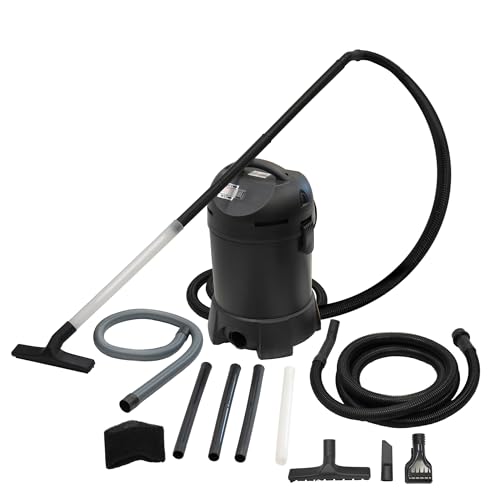
Fast, effective and convenient way to remove muck, debris and decaying organic matter from water gardens, fish ponds and swimming pools

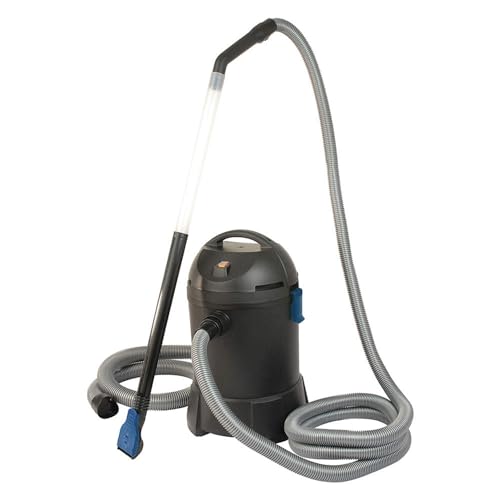
Max. Suction depth: 6 ft.
Over-Vacuuming the Pond
Over-vacuuming can disturb beneficial bacteria vital for the pond’s ecosystem. Too much suction can remove essential sediments and disrupt the balance in the water. Aim to vacuum only once every few weeks or as needed, depending on debris buildup. Focus on high-traffic areas where waste accumulates. If you notice the water clarity declining or the pond becoming overly dirty between sessions, assess your vacuuming frequency instead of increasing it dramatically.
Neglecting Fish Safety
Prioritizing fish safety is crucial when vacuuming your pond. Fish can become stressed with sudden changes or disturbances in their environment. Always check the equipment to ensure it’s functioning properly and free of harmful chemicals. Work slowly and gently, maintaining a calm atmosphere. If you’re using a powered vacuum, avoid creating strong currents that can disorient the fish. Monitoring their behavior while vacuuming helps ensure they’re not in distress, allowing for a peaceful cleaning experience.
Conclusion
Regularly vacuuming your fish pond is key to maintaining a healthy and vibrant ecosystem. By keeping debris at bay and ensuring water quality, you’re not just enhancing the pond’s appearance but also supporting the well-being of your fish and plants.
Remember to approach the task with care. Monitoring your fish and avoiding common pitfalls will make the process smoother and more effective. With a bit of practice and attention, you’ll create a thriving environment that you and your aquatic friends can enjoy for years to come. Happy pond keeping!
Frequently Asked Questions
What is the importance of fish pond maintenance?
Maintaining a fish pond is crucial for ensuring water quality, fish health, and overall aesthetics. Regular cleaning helps prevent excess debris buildup, supports aquatic plant growth, and enhances the pond’s ecosystem. Neglecting maintenance can lead to harmful conditions for fish and other wildlife.
How do pond vacuums work?
Pond vacuums are designed to remove debris by sucking up dirt, algae, and waste from the pond bottom. They can be manual or powered, making the vacuuming process efficient and helping to maintain a clean and healthy environment for fish and plants.
What are the benefits of vacuuming a fish pond?
Vacuuming removes harmful debris, improves water clarity, and enhances water quality. This process supports fish health by reducing stress, promoting plant growth, and maintaining a balanced ecosystem. A clean pond also looks more inviting and aesthetically pleasing.
What are common mistakes to avoid when using a pond vacuum?
Common mistakes include over-vacuuming, which can disturb the pond ecosystem, and failing to prioritize fish safety. It’s essential to create a calm environment during vacuuming and monitor fish behavior to prevent stress and ensure their well-being.
What steps should I follow for effective pond vacuuming?
For effective pond vacuuming, start by preparing the pond, then apply proper vacuuming techniques. Check water quality regularly, clear the vacuum, reposition plants if necessary, and monitor fish behavior throughout the process to ensure a safe and efficient cleaning.
