
Have you ever looked at your fish tank and noticed the sand is looking a bit grimy? It’s a common issue for aquarium enthusiasts, and if you want to keep your underwater friends healthy, regular cleaning is key. Vacuuming fish tank sand might seem tricky, but it’s easier than you think.
Key Takeaways
- Regular Maintenance is Critical: Keeping fish tank sand clean is essential for fish health, water quality, and the overall aesthetic of your aquarium.
- Use the Right Tools: Invest in quality vacuum options such as gravel vacuums or battery-operated vacuums to effectively remove debris without disturbing beneficial bacteria.
- Create a Cleaning Schedule: Schedule vacuuming sessions every two to four weeks based on your tank’s bioload to ensure optimal tank conditions.
- Control Feeding Habits: Avoid overfeeding your fish to limit waste accumulation, contributing to a cleaner substrate and healthier environment.
- Monitor Water Parameters: Regularly test your tank’s water quality to maintain stability and address any potential issues related to substrate cleanliness.
- Follow Proper Vacuuming Steps: Turn off equipment, carefully vacuum in sections, and replace treated water to minimize stress on your fish and maintain tank balance.
Importance Of Maintaining Fish Tank Sand
Maintaining clean fish tank sand is crucial for the overall health of your aquarium. Dirty sand can lead to a buildup of harmful bacteria, which can impact fish health and water quality. Regular cleaning helps prevent these issues and promotes a thriving aquatic environment.
Benefits Of Clean Sand
- Promotes Fish Health: Clean sand reduces the risk of diseases caused by debris and decaying matter. Healthy fish can thrive, leading to vibrant and active behavior.
- Enhances Water Quality: Removing waste from sand contributes to better water conditions. This helps maintain appropriate pH levels and reduces harmful toxins.
- Supports Beneficial Bacteria: A clean substrate encourages beneficial bacteria growth, which helps break down waste. This natural process aids in maintaining ecological balance.
- Improves Aesthetic Appeal: Clean sand enhances the overall appearance of your aquarium. Clear, bright substrate makes it easier to enjoy the beauty of your fish and plants.
- Schedule Regular Cleanings: Create a cleaning schedule. Weekly or bi-weekly cleanings help keep sand and water quality optimal.
- Use a Quality Vacuum: Invest in a reliable gravel vacuum. A good vacuum efficiently removes waste without disrupting your tank’s ecosystem.
- Avoid Overfeeding: Control the amount of food you provide. Overfeeding leads to excess waste, which can compromise sand cleanliness.
- Monitor Tank Conditions: Regularly check your water parameters. This ensures a stable environment for your fish and highlights any potential issues with the sand.
By prioritizing the maintenance of your fish tank sand, you contribute to a healthier and more beautiful aquatic habitat.
Tools Required For Vacuuming Fish Tank Sand
Maintaining clean sand in your fish tank requires specific tools. You’ll need the right equipment to make the process efficient and effective.
Recommended Products
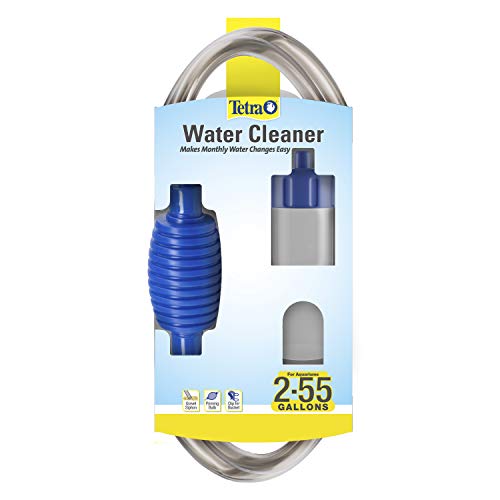
TETRA WATER CLEANER: Gravel siphon used to easily clean aquariums.
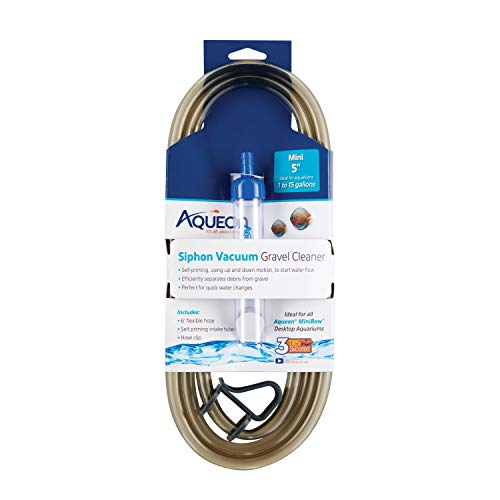
Makes routine water changes easier!

Perfect for Regular Water Changes: No messy drips, and a sturdy one way valve to improve suction. You can clear 30L in about 5 minutes with our aquarium siphon
Types Of Vacuum Cleaners
- Gravel Vacuums: These tools are ideal for removing debris and waste from the sand. They function by using a siphoning motion that pulls dirt while allowing sand to settle back down.
- Battery-Operated Vacuums: These portable vacuums offer convenience, especially in larger tanks. They typically come with multiple attachments to reach corners and tight spaces.
- Manual Vacuum Syphons: Manual options are cost-effective and straightforward. You control the suction strength, making them less likely to disturb the sand layers significantly.
- Bucket: Use a clean bucket to collect the dirty water and substrate. This simplifies water changes by ensuring you have a designated spot for waste.
- Siphon Hose: A durable siphon hose allows you to direct debris away from the tank efficiently. Look for flexible hoses that can easily fit into tank corners.
- Aquarium Net: An aquarium net helps in removing larger debris before vacuuming. It’s perfect for catching uneaten food and other floating particles.
- Water Conditioner: After vacuuming, adding a water conditioner removes harmful chemicals and ensures safe water for your fish.
- Scraper: A scraper assists in keeping the tank walls clean. Clean walls improve visibility and contribute to overall water quality.
Step-By-Step Guide On How To Vacuum Fish Tank Sand
Keeping your fish tank sand clean plays a pivotal role in maintaining the health of your aquarium. Follow these steps to effectively vacuum fish tank sand.
Preparing The Tank
- Turn Off Equipment: Switch off filters and any additional equipment to prevent damage and reduce water movement.
- Siphon Preparation: Attach the siphon hose to the vacuum, ensuring a secure fit to avoid leaks.
- Gather Supplies: Collect your gravel vacuum, a bucket, and water conditioner. This setup will streamline the cleaning process.
Vacuuming The Sand
- Insert the Vacuum: Place the vacuum into the sand, submerging it about 1-2 inches deep. Avoid disturbing the entire substrate.
- Start Siphoning: Begin the siphoning process by creating a manual suction or using a battery-operated vacuum. Move the vacuum side to side to collect debris, while leaving beneficial bacteria in the substrate.
- Monitor Water Levels: As you vacuum, ensure that you monitor the bucket level. Stop once it’s three-quarters full to prevent spills.
- Replace Water: After completing vacuuming, add treated water back into the tank at a similar temperature to the existing water.
- Rinse Equipment: After use, rinse the vacuum and siphon hose with warm water to prevent buildup of algae or bacteria.
- Check Tank Conditions: Use a test kit to assess the water quality—check parameters like pH, ammonia, and nitrate levels.
- Schedule Next Cleaning: Set a reminder for your next vacuum session. Consistent cleaning promotes tank health and visually appealing sand.
Following these steps ensures your fish tank sand remains clean and safe for its inhabitants. Regular attention to your tank enhances both health and aesthetics.
Tips For Effective Vacuuming
Effective vacuuming of fish tank sand maintains a clean environment and ensures the health of your aquatic life. Follow these tips for successful cleaning.
Recommended Products
![QZQ Aquarium Gravel Cleaner [2026 Edition] Vacuum Fish Tank Vacuum Cleaner Tools for Aquarium Water Changer with Aquarium Thermometers Fish Net kit Use for Fish Tank Cleaning Gravel and Sand](https://m.media-amazon.com/images/I/51S+2N20RtL._SL500_.jpg)
Mufti-functional cleaning kit: Aquarium gravel vacuum cleaner kit is a mufti-functional aquarium cleaner that uses (adopts)the siphon design principle, which includes the aquarium, aquarium sand washing, algae scraping, fish excrement cleaning, aquarium residual debris, and aquarium water changing. Quick water change gives fish (provides)a clean and comfortable aquarium living environment.

FUNCTION --- Easy to control, convenient to siphon fish faeces, impurities, turbid water out of fish tank.

6 in 1 Functional Aquarium Cleaner: AQQA aquarium gravel cleaner kit can effectively achieve ①Water changing/②Sand washing/③Debris cleaning/④Scrub the fish tank/⑤Water filter/⑥Water cycle. Make your aquarium cleaning more quickly and conveniently.
Frequency Of Vacuuming
Vacuum your fish tank sand every two to four weeks, depending on the tank’s bioload. A heavily stocked tank may require more frequent cleaning. Monitor the water clarity and smell for additional cues on when to vacuum. Adjust your schedule as needed to ensure optimal tank conditions.
Troubleshooting Common Issues
You may encounter issues while vacuuming. Here are solutions for common problems:
- Suction Problems: Check the vacuum hose for blockages. Clear debris if you notice reduced water flow.
- Sand Displacement: Use a gentle hand to avoid stirring the sand too much. Vacuum in sections to minimize disruptions.
- Fish Distress: Temporarily shut off filters during cleaning. This reduces stress and prevents fish from getting caught in equipment.
- Cloudy Water: A clouded tank may occur after vacuuming. This typically clears within a few hours; if it lingers, check the filtration system.
Following these tips promotes a cleaner, healthier fish tank environment.
Conclusion
Keeping your fish tank sand clean is key to a healthy aquarium. By regularly vacuuming and following the right techniques you can create a safe and inviting environment for your fish. Remember to stay on top of your cleaning schedule and troubleshoot any issues that arise.
A little effort goes a long way in ensuring your aquatic friends thrive. So grab your vacuum and enjoy the process of maintaining your underwater paradise. Your fish will thank you for it!
Frequently Asked Questions
Why is clean fish tank sand important?
Dirty fish tank sand can harbor harmful bacteria that jeopardize the health of your fish and the overall water quality. Maintaining clean sand helps reduce disease risks and supports a thriving aquatic environment.
How often should I clean my fish tank sand?
Regular cleaning is essential, ideally every 1-2 weeks, depending on your aquarium’s size and fish population. Frequent cleaning helps maintain water quality and prevent harmful bacteria growth.
What tools do I need for vacuuming fish tank sand?
Essential tools for vacuuming fish tank sand include a gravel vacuum, bucket for water removal, and a soft brush. These tools help effectively clean without disturbing the aquatic environment.
How do I vacuum fish tank sand properly?
To vacuum fish tank sand, prepare the tank, gently insert the vacuum into the sand, and allow it to remove debris while avoiding over-extraction of sand. Rinse equipment afterwards and check tank conditions.
What should I do if I face suction problems while vacuuming?
If you encounter suction problems, check for blockages in the vacuum tube or ensure it’s properly submerged. Adjusting the vacuum angle may also help restore suction for effective cleaning.
What are some tips for effective vacuuming?
To vacuum effectively, maintain a consistent cleaning schedule, avoid rushing the process, and monitor fish behavior. Ensure you do not disturb too much sand at once to minimize fish stress and water cloudiness.

