
Have you ever found yourself itching and wondering if bed bugs have invaded your home? You’re not alone. Many people face the stress of dealing with these pesky pests, and knowing how to tackle the problem is crucial.
Vacuuming is one of the most effective ways to reduce bed bug populations and prevent them from spreading. This article will guide you through the best techniques to vacuum for bed bugs, helping you reclaim your space and sleep soundly again. With a few simple steps, you can make a significant impact in your fight against these unwanted guests.
Key Takeaways
- Understanding Bed Bugs: Bed bugs are small, blood-feeding insects that can invade your home, often hiding in warm spots like mattresses and furniture. Recognizing their signs is crucial for early intervention.
- Vacuuming Importance: Vacuuming is an effective way to immediately remove bed bugs and their eggs, reducing their population and the need for chemical pesticides.
- Key Vacuuming Techniques: Utilize a vacuum with strong suction and a HEPA filter, focusing on high-risk areas such as mattress seams, bed frames, and furniture corners.
- Regular Maintenance: Establish a weekly vacuuming schedule and inspect areas for new infestations, especially after travel or bringing new items into your home.
- Post-Vacuuming Care: Dispose of vacuum contents properly to prevent re-infestation, and consider additional treatments like steam and insecticides for comprehensive control.
- Proactive Strategies: Combine vacuuming with regular inspections and protective encasements to maintain a bed bug-free environment.
Understanding Bed Bugs
Understanding bed bugs is essential for effective pest control. These tiny creatures can cause significant distress and discomfort in your home.
What Are Bed Bugs?
Bed bugs are small, wingless insects that feed on the blood of humans and animals. They typically measure between 1/4 inch and 3/8 inch long and are reddish-brown in color. Adults resemble apple seeds, while nymphs are smaller and lighter in color. A female bed bug lays up to 500 eggs in her lifetime, making prompt action crucial.
How Do They Infest Homes?
Bed bugs often enter homes through luggage, used furniture, or visitors’ clothing. They thrive in warm, cozy spots like beds and sofas, where they can hide during the day and feed at night. They can travel short distances to find a host and can survive for months without feeding. Regular inspections of common hiding places like mattresses, box springs, and furniture help identify infestations early.
Importance of Vacuuming
Vacuuming plays a critical role in managing bed bug infestations. It helps eliminate visible bed bugs and eggs, reducing the overall population and aiding in your pest control efforts.
Benefits of Vacuuming for Bed Bugs
- Immediate Removal: Vacuuming removes bed bugs and their eggs from surfaces. This immediate action can significantly cut down their numbers.
- Cleaning Infested Areas: Vacuuming helps clean the areas where bed bugs often hide, such as mattresses, bed frames, carpets, and furniture.
- Less Chemical Usage: Effective vacuuming can reduce the need for chemical pesticides, which is beneficial for both your health and the environment.
- Easy Monitoring: Regular vacuuming allows you to monitor for repeat infestations. It helps assess the effectiveness of your pest control strategies.
- Improved Hygiene: Vacuuming not only addresses bed bugs but also removes dust and allergens, enhancing your living space’s overall cleanliness.
- After Spotting Bed Bugs: As soon as you notice signs of bed bugs, vacuum the affected areas. Focus on seams of mattresses, cracks in furniture, and carpets.
- Weekly Maintenance: Implement a weekly vacuuming schedule to prevent infestations. Regular cleaning keeps your environment less hospitable for bed bugs.
- Post-Treatment: After any pest control treatment, vacuum the areas that were treated. This helps remove any remaining bed bugs and eggs.
- Before New Bedding: Vacuum before bringing new bedding or furniture into your home. This practice minimizes the risk of introducing bed bugs.
- During Travel: Vacuum after returning from trips. Be proactive in removing any bed bugs that may have traveled with your luggage.
How to Vacuum for Bed Bugs
Vacuuming is an effective part of managing bed bug infestations. You can significantly reduce their numbers by employing the right techniques.
Recommended Products

A wet dry vacuum crevice tool lets a user gets into tight spaces

Vacuum Crevice Tool Compatibility:This 12inch Long Crevice Tool Attachment fit any vacuum hose or wand using 1 1/4" tools Compatible with Hoover Accessories, Compatible with Dirt Devil Vacuums Accessories,Compatible with Kirby Vacuums Accessories ect.Please confirm your vacuum size before purchasing

【SUPERIORITY】This 25" crevice tool features a flexible body that bends and twists, allowing you to reach tight spaces and hard-to-access areas. fits 1-1/4" or 1-3/8"(32mm-35mm) Standard hose.
Choosing the Right Vacuum
You need a vacuum cleaner with strong suction and a HEPA filter. A canister vacuum or a bagless model works well. Consider a vacuum with various attachments, especially one designed to reach tight spaces. Look for:
- Powerful suction: Ensures effective removal of bed bugs and eggs.
- HEPA filter: Traps small particles, preventing bed bugs from escaping back into your home.
- Attachments: Like crevice tools for tight spots and upholstery brushes for furniture.
Preparing Your Space for Vacuuming
Preparation is key to effective vacuuming. Start by decluttering your space. Remove items from surfaces and floors to access all areas. Follow these steps:
- Strip the bed: Remove bedding and wash it in hot water.
- Clear surrounding areas: Move furniture and items away from walls for thorough access.
- Check vacuum settings: Ensure the vacuum is set to pick up small debris without damaging surfaces.
Step-by-Step Vacuuming Process
Follow these steps to effectively vacuum for bed bugs:
- Start in infested areas: Focus on the mattress seams, bed frames, and any furniture where bed bugs hide.
- Vacuum all surfaces: Use the crevice tool for edges, corners, and upholstery.
- Pay attention to baseboards: Bed bugs often hide in cracks and gaps near the floor.
- Empty the vacuum immediately: Seal the contents in a plastic bag and dispose of it outside. Clean the vacuum to prevent reinfestation.
- Vacuum regularly: Establish a weekly vacuuming routine to help catch any new bed bugs early.
By following these guidelines, you’ll enhance your efforts in controlling bed bug populations effectively.
Post-Vacuuming Care
After vacuuming, taking proper care of the vacuum contents and considering additional treatments enhances bed bug control. Following these steps ensures you minimize the chance of re-infestation.
Recommended Products

Create Space: Squeeze and compress the air out of your bulky or seasonal belongings to compact and modular storage in wardrobe, closet, suitcase, or underbed
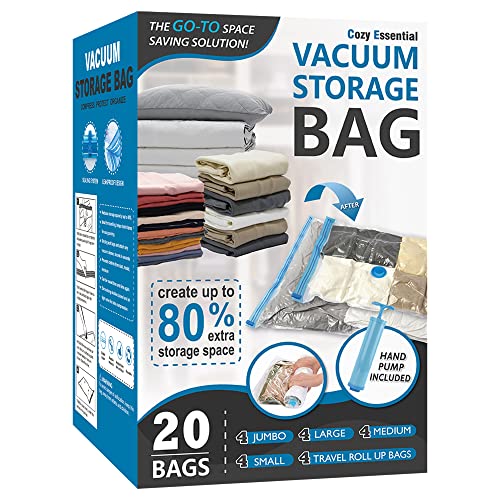
Expand your storage by up to 80%: Our vacuum seal storage bags effortlessly compress clothes, blankets, pillows, and travel essentials in seconds, transforming overcrowded closets and overpacked suitcases into clean, organized space- no clutter at home, no unnecessary luggage fees. Just more room whenever you need it.

Ultimate Space Reduction: Our vacuum mattress bags are professionally engineered to compress your mattress by up to 80%, significantly simplifying storage and transportation.
Dispose of Vacuum Contents Properly
Dispose of the vacuum contents immediately after vacuuming to avoid spreading bed bugs. Seal the vacuum bag in a plastic bag, tie it securely, and discard it outside your home. If your vacuum has a canister, empty it into a sealed plastic bag. Clean the canister with hot, soapy water and allow it to dry completely before reusing. Consider using a vacuum bag designed for pest containment, which minimizes leakage of bed bugs.
Additional Treatment Options
Explore additional treatment options for more effective bed bug control.
- Steam Treatment: Apply steam to infested areas, as high temperatures kill bed bugs and their eggs.
- Insecticides: Use EPA-approved bed bug insecticides in conjunction with vacuuming for comprehensive treatment. Always follow the manufacturer’s instructions.
- Encasements: Place bed bug-proof encasements on mattresses and box springs to trap any remaining bugs and prevent new ones from infesting your beds.
- Regular Inspections: Conduct weekly inspections for new bed bugs, especially in high-risk areas like beds, furniture, and carpets.
Combining these practices with regular vacuuming creates a proactive strategy against bed bugs.
Conclusion
Staying on top of bed bug management can feel overwhelming but vacuuming is a powerful tool in your arsenal. By making it a regular part of your cleaning routine you can catch these pesky critters before they become a bigger problem.
Remember to dispose of vacuum contents properly and consider pairing your efforts with other treatments for the best results. With a proactive approach you’re not just fighting back against bed bugs but also creating a more comfortable living space. Keep at it and you’ll be well on your way to a bed bug-free home.
Frequently Asked Questions
What are bed bugs and why are they a problem?
Bed bugs are small, wingless insects that feed on human blood, typically at night. They can cause sleeplessness, itching, and anxiety due to their bites. Their ability to reproduce quickly makes them a challenging pest to control, leading to widespread infestations in homes.
How can vacuuming help with bed bug management?
Vacuuming is crucial for controlling bed bug populations. It helps remove eggs, nymphs, and adults from carpets, furniture, and other surfaces. Regular vacuuming can significantly reduce the number of bed bugs and should be part of an overall management strategy.
How often should I vacuum for bed bug control?
Establishing a weekly vacuuming routine is recommended for effective bed bug management. This frequency enables you to catch new bed bugs early, reducing the chance of a larger infestation developing.
What should I do after vacuuming to manage bed bugs?
After vacuuming, it’s essential to dispose of the vacuum contents properly to prevent reinfestation. Consider using a sealed bag and throwing it away outside your home. Additional treatments like steam treatments or insecticides may also be recommended.
Are there other treatments I should consider alongside vacuuming?
Yes, it’s advisable to combine vacuuming with other treatments for comprehensive control. This includes steam treatments, insecticides, mattress encasements, and regular inspections. Together, these strategies create a proactive approach to managing bed bugs effectively.
