
Ever looked at your inground pool and thought it could use a good cleaning? If you’ve got a sand filter, vacuuming might seem tricky at first. But don’t worry—you’re not alone in this. Many pool owners face the same challenge when it comes to keeping their pools spotless.
Key Takeaways
- Inground Pool Maintenance: Regular maintenance, including vacuuming, is crucial to keep your pool clean, safe, and functioning efficiently. Aim for a weekly cleaning schedule during peak usage.
- Vacuuming Benefits: Vacuuming helps remove visible debris and microscopic particles, promoting better water quality and reducing chemical imbalances in the pool.
- Essential Equipment: To vacuum effectively, you need a vacuum head (manual or automatic), a flexible vacuum hose, and a telescoping pole. Ensure all tools are in good condition for optimal results.
- Sand Filter Functionality: Understand the sand filter’s role in pool maintenance, including the backwashing process, which should be performed every 4 to 6 weeks to clear accumulated debris.
- Step-by-Step Process: Preparing the pool and vacuum equipment correctly is key. Follow specific steps for priming the hose, connecting it to the skimmer, and choosing the right filter settings for effective vacuuming.
- Troubleshooting Tips: Address common issues like low suction or debris escaping by checking for clogs, air leaks, and ensuring the proper vacuum head and hose length are used.
Understanding Inground Pool Maintenance
Maintaining an inground pool is essential for optimal enjoyment and longevity. Regular attention ensures clean water, safe swimming conditions, and a well-functioning filtration system.
Importance of Regular Cleaning
Regular cleaning prevents dirt and debris buildup. Leaves, branches, and algae contribute to filtration inefficiency. Clear water enhances aesthetics and clarity. Set a cleaning schedule to keep the pool pristine. Aim for weekly maintenance during peak use months. Attendance to small tasks can save time and money on repairs or chemical treatments.
Benefits of Vacuuming
Vacuuming your pool offers significant benefits. It removes visible debris and microscopic particles. A clean pool minimizes chemical imbalances caused by detritus. Enhanced water circulation promotes a healthier pool ecosystem.
You can use automatic or manual vacuums, depending on your preference. Automatic models require less hands-on time; manual vacuums give you control over the cleaning process. Choose based on your needs and comfort level.
Equipment Needed for Vacuuming
Vacuuming your inground pool requires specific equipment to ensure efficiency and effectiveness. Here’s a breakdown of what you need.
Recommended Products

【Compatibility】ChangTa sp1106 skim vacuum plate adapter compatible with Hayward pool skimmer models SP1082, SP1084, SP1085, and SP1075 pool in-ground skim vac
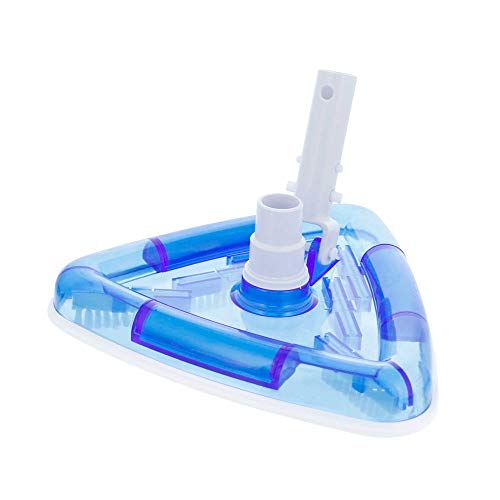
Swivel head connection accepts 1-1/4" and 1-1/2" hose

Measuring 13” x 10” x 2.4” extra-large triangle cleaning area built in weighted design ensures that the pool suction vacuum quickly sinks to the bottom of your pool or spa stays submerged. The triangular shape makes it easy to maneuver along corners and walls for a complete clean the leaves, twigs and other debris
Types of Vacuum Heads
- Manual Vacuum Head: Manual heads attach to the end of a pole. They require physical effort to navigate through the pool but offer control over the cleaning process.
- Automatic Pool Cleaner: Automatic vacuums operate independently. They move around the pool, cleaning surfaces without your intervention.
- Brush Vacuum Head: Brush heads have bristles attached. They scrub surfaces while vacuuming, ideal for removing tough debris.
- Suction Vacuum Head: Suction heads rely on the pool’s filter system. They efficiently pull up dirt and debris but require a compatible hose and filter setup.
Hose and Pole Requirements
- Vacuum Hose: Use a flexible, durable vacuum hose. Standard lengths range from 30 to 40 feet, accommodating most pool sizes.
- Telescoping Pole: A telescoping pole must be adjustable for depth and reach. Look for one ranging from 8 to 16 feet; it allows you to navigate corners efficiently.
- Connections: Ensure the hose connects securely to the vacuum head and the skimmer. Check for leaks to maintain suction power.
- Sand Filter Type: Sand filters use silica sand to trap dirt and debris. They are effective for keeping pool water clear.
- Filtration Process: Water enters the filter, passing through the sand. Debris gets trapped, while clean water flows back to the pool.
- Backwashing: Backwashing is essential for maintaining efficiency. It clears out accumulated debris and restores the filter’s performance. Perform backwashing every 4 to 6 weeks or when the pressure gauge indicates it’s necessary.
- Maintenance Routine: Check sand levels regularly. A sand filter typically requires a sand change every 3 to 5 years, ensuring optimal filtration and water clarity.
Using these tools and understanding your sand filter system makes vacuuming your inground pool straightforward and effective.
Step-by-Step Guide on How to Vacuum Inground Pool with Sand Filter
Vacuuming your inground pool with a sand filter requires some preparation and follow-through. Here’s how to do it effectively.
Recommended Products

For Manual Pool Cleaning Only – This swimming pool vacuum hose is designed for use with a manual vacuum head and standard telescopic pool pole (sold separately). NOT compatible with automatic or robotic pool cleaners.

Our pool hose is suitable for Intex filter pumps, saltwater systems and sand filters that use a 1.5" connection. It is recommended to replace it once every 2-3 months.
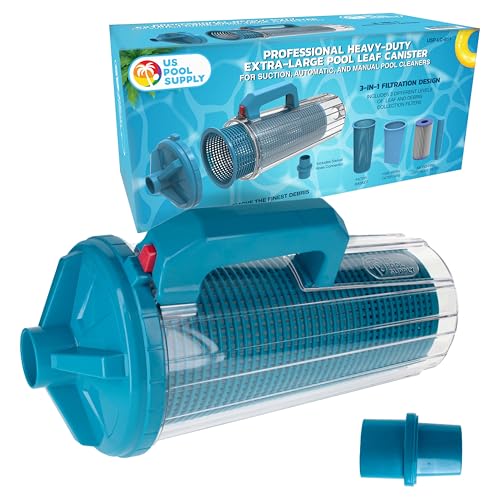
Upgraded Superior Canister Design: Professional heavy-duty extra-large pool leaf canister constructed from thick, UV-resistant, high-impact plastic. The body features reinforced alternating ridgelines that provide extra strength to withstand high suction pressure and harsh outdoor conditions, including chemicals and sunlight, without imploding, cracking, or fading.
Preparing for Vacuuming
- Gather Your Equipment: Collect the vacuum head, telescoping pole, vacuum hose, and any necessary attachments. Ensure all components are clean.
- Check Water Level: Confirm that the water level is adequate. It should be at least halfway up the skimmer. If it’s too low, add water before starting.
- Inspect Filter: Verify that the sand filter is clean and operational. This ensures efficient vacuuming. Backwash the filter if it has not been done recently.
- Connect Vacuum Head: Attach the vacuum head to the telescoping pole. Secure the hose to the vacuum head, making sure there are no air leaks.
Vacuuming Process
- Prime the Hose: Submerge the hose in the pool, allowing water to fill it completely. This step prevents air pockets that can hinder suction.
- Attach Hose to Skimmer: Once primed, connect the free end of the hose to the skimmer or the dedicated vacuum port. Make sure the connection is tight.
- Choose the Right Setting: Set the sand filter to “Filter” mode before starting. Avoid the “Waste” setting unless you need to remove a large volume of debris.
- Start Vacuuming: Begin slowly moving the vacuum head across the pool floor. Use a consistent speed and overlap your strokes slightly to ensure thorough cleaning. Focus on areas with visible debris.
- Check for Blockages: Occasionally lift the vacuum head to check for blockages in the hose. Clear any debris before continuing.
- Disconnect Equipment: Once you’ve vacuumed the entire pool, turn off the pump. Disconnect the vacuum head and hose from the skimmer.
- Clean the Filter: Inspect and clean the sand filter again. This prevents debris buildup, keeping your filter functioning well.
- Backwash as Needed: If the filter pressure gauge indicates higher pressure than normal, backwash the filter according to the manufacturer’s instructions.
- Maintain Balance: Test the water chemistry after vacuuming. Adjust pH and chlorine levels as needed to maintain a safe swimming environment.
Troubleshooting Common Issues
Vacuuming an inground pool with a sand filter can sometimes lead to common issues. Understanding these problems helps in maintaining clean, clear water.
Low Suction Problems
Low suction can hinder the vacuuming process. Check these factors:
- Clogs: Inspect the vacuum hose for clogs. Look for debris blocking the hose or vacuum head, which reduces suction power.
- Air Leaks: Check all connections. Air leaking from joints or cracks decreases suction efficiency. Tighten or replace any damaged components.
- Basket and Filter Condition: Clean the skimmer and pump baskets. A dirty filter can also restrict flow, leading to reduced suction. Regular cleaning prevents buildup.
If suction remains low after checking these areas, inspect the pool’s water level. Water that’s too low can prevent effective vacuuming.
Debris Escape Issues
Debris escaping from the vacuum head can frustrate your cleaning efforts. Consider the following:
- Vacuum Head Type: Ensure you’re using the correct vacuum head for your pool’s surface. Brush-style heads are effective on vinyl, while weighted heads work well for plaster surfaces.
- Hose Length and Kinks: Use the appropriate hose length for your pool size. Kinks or bends can disrupt suction and allow debris to go uncollected. Straighten or replace kinked hoses.
- Filter Settings: Confirm the sand filter settings are optimal. Set the filter to “Filter” during vacuuming. Avoid using “Backwash,” which causes debris to escape back into the pool.
Adjusting these factors can significantly reduce debris escape, making vacuuming more effective.
Conclusion
Keeping your inground pool clean doesn’t have to be a daunting task. With the right tools and a little know-how you can enjoy crystal-clear water all season long. Regular vacuuming not only enhances the beauty of your pool but also ensures a healthy swimming environment for you and your loved ones.
Remember to stick to your cleaning schedule and troubleshoot any issues as they arise. By mastering the vacuuming process and understanding your sand filter system you’ll make pool maintenance a breeze. Dive in and enjoy your sparkling oasis with confidence!
Frequently Asked Questions
How often should I clean my inground pool?
Regular cleaning is essential for maintaining pool cleanliness and safety. It is recommended to clean your inground pool at least once a week. However, if your pool is frequently used or surrounded by trees, you may need to clean it more often.
What type of vacuum should I use for my inground pool?
You can choose between manual and automatic vacuums for your inground pool. Manual vacuums offer greater control over cleaning, while automatic vacuums save time and effort by doing the job for you. Select based on your cleaning preferences and budget.
What is the role of a sand filter in pool maintenance?
A sand filter plays a crucial role in maintaining your pool’s water quality. It removes dirt, debris, and contaminants from the water through the filtration process. Regular backwashing and maintenance are necessary to keep the filter functioning effectively.
How do I vacuum my inground pool effectively?
Start by preparing the pool, ensuring the vacuum is properly connected and the hose is filled with water. Then, slowly vacuum the entire pool floor and walls. After vacuuming, clean out the skimmer and check the filter to remove any trapped debris.
What should I do if my pool vacuum has low suction?
If your pool vacuum experiences low suction, first check for clogs in the hose or filter. Ensure that the vacuum head is correctly positioned and that the water level is adequate. Adjust any air leaks in the hose and verify that all connections are secure.
How can I prevent debris from escaping while vacuuming?
To prevent debris from escaping, ensure that the pool vacuum head is fully submerged while you vacuum. Keep the hose positioned at the bottom to maintain suction. Regularly inspect and clean the filter to minimize clogs during the vacuuming process.
