
Do you struggle to keep your long carpet looking fresh and clean? You’re not alone. Many people find that vacuuming thick carpets can be a challenge, with dirt and debris often getting trapped deep within the fibers. It can feel like an endless battle against dust bunnies and pet hair.
Key Takeaways
- Regular Vacuuming: Aim to vacuum your long carpet at least twice a week to prevent the buildup of dirt and allergens, promoting a healthier home environment.
- Choose the Right Vacuum: Select a vacuum specifically designed for long carpets, preferably an upright with strong suction, adjustable height, and a quality filtration system for optimal cleaning.
- Effective Techniques: Divide the carpet into sections, vacuum slowly, overlap passes, and change directions to ensure thorough cleaning and lift debris from deep within the fibers.
- Pre-Vacuum Preparation: Clear small furniture and obstacles before vacuuming, and use a lint roller or pet hair remover on heavily soiled areas for easier cleaning.
- Maintenance Matters: Perform regular maintenance on your vacuum, including cleaning filters, emptying dust bins, and inspecting brush rolls, to prolong its life and maintain cleaning effectiveness.
- Spot and Deep Clean: Address stains immediately using suitable carpet cleaners, and schedule professional deep cleaning every six to twelve months to maintain the carpet’s appearance and integrity.
Understanding Long Carpet Care
Caring for long carpets requires specific methods to keep them clean and in good shape. Long fibers attract dirt and dust more than shorter ones. Regular vacuuming, at least twice a week, helps prevent the buildup of debris.
Vacuum Selection
Choose a vacuum cleaner designed for long carpets. Upright vacuums with strong suction and adjustable height settings work best. Check the vacuum’s filtration system; HEPA filters capture fine particles, making your air cleaner.
Pre-Vacuum Preparation
Before vacuuming, prepare your space. Remove small furniture and obstacles. This allows you to reach every corner. Use a pet hair remover or lint roller on areas with heavy pet hair, as this makes vacuuming easier.
Effective Vacuuming Techniques
- Section the Carpet: Divide the carpet into manageable sections. This approach helps you focus on one area at a time.
- Use a Slow Speed: Vacuum slowly to allow the cleaner to lift dirt from deep within the fibers. Rushing can lead to missed spots.
- Overlap Passes: Make overlapping passes to ensure thorough coverage. This technique reduces the chances of leaving debris behind.
- Change Direction: Alter your vacuuming direction regularly. This lifts the carpet fibers and exposes hidden dirt.
Maintenance Tips
- Spot Clean Regularly: Treat stains as soon as they occur. Use a carpet cleaner suitable for long fibers. Blot, don’t rub, to avoid spreading the stain.
- Deep Clean Periodically: Schedule deep cleaning every six to twelve months. Professional cleaning services can effectively remove embedded dirt.
- Rotate Carpets: If possible, rotate area rugs or carpets. This ensures even wear and fading.
Additional Considerations
Check your carpet’s warranty. Some manufacturers provide care guidelines specific to their products. Following these recommendations protects your investment and maintains the carpet’s appearance.
By implementing these practices, maintaining long carpeting becomes manageable, ensuring a beautiful and clean home environment.
Importance Of Proper Vacuuming
Proper vacuuming is crucial for maintaining the cleanliness and longevity of long carpets. It helps remove dirt and allergens that accumulate deep within the fibers, contributing to a healthier home environment.
Recommended Products

COMPATIBLE: Designed for use with all Shark Carpet Cleaners - EX121BRN, EX151, EX201, EX301, PX201, PX202BRN, PX203BRN & PX251.

COMPATIBLE: Designed for use with all Shark Carpet Cleaners - EX121BRN, EX151, EX201, EX301, PX201, PX202BRN, PX203BRN & PX251.

EVERY PURCHASE SAVES PETS. Every purchase makes it possible for BISSELL to continue our support of BISSELL Pet Foundation and its mission of saving pets in need.
Benefits Of Vacuuming Long Carpets
- Removes Debris: Regular vacuuming pulls dirt, dust, and pet hair from the carpet surface and below. This prevents a buildup that can damage carpet fibers over time.
- Improves Air Quality: Vacuuming eliminates allergens like dust mites and pollen. This leads to improved indoor air quality, especially for allergy sufferers.
- Enhances Appearance: A freshly vacuumed carpet looks neater and more vibrant. Consistent care keeps the fibers looking fresh, maintaining your home’s aesthetic appeal.
- Extends Carpet Life: Regular vacuuming preserves the carpet’s integrity. Removing embedded dirt reduces wear and tear, prolonging its lifespan.
- Matting: Long carpets can mat down easily, especially in high-traffic areas. Regular vacuuming helps lift the fibers, reducing matting.
- Soil Trapping: Dirt can get lodged deep within long carpet fibers, making them harder to clean. Proper vacuuming techniques effectively target these trapped particles.
- Allergen Build-Up: Long carpets can harbor allergens if not vacuumed regularly. This can cause respiratory issues and worsened allergies for occupants.
- Stains: Spills can seep into long carpets and become set stains. Quick vacuuming, followed by spot cleaning, minimizes the risk of permanent stains forming.
Choosing The Right Vacuum
Selecting the right vacuum for long carpets ensures effective cleaning and maintenance. Different vacuum types cater to specific needs, making it easier for you to find the best fit for your home.
Recommended Products

POWERFUL SUCTION: Deep-clean carpets and tackle bare floors with multi-surface powerful suction.

LIGHTWEIGHT: Increase maneuverability with less fatigue
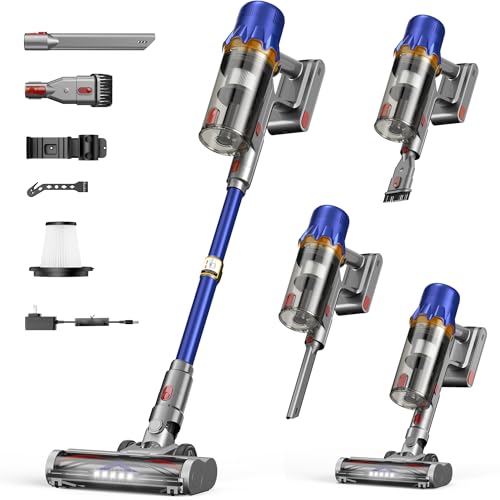
【550W Powerful Cordless Vacuum for Deep Cleaning】The iXlion cordless vacuum cleaner with 45,000Pa powerful suction.Easily removes dust, debris, and stubborn pet hair from all floor types—hardwood, carpet, and tile. Perfect for daily fast cleaning in family homes, apartments, and pet households.
Types Of Vacuums For Long Carpets
- Upright Vacuums
Upright vacuums are popular for their powerful suction. They come with rotating brush heads that penetrate deep into carpet fibers, lifting dirt and debris effectively. - Canister Vacuums
Canister vacuums offer versatility, allowing you to clean various surfaces, including stairs and hard-to-reach areas. They typically have adjustable suction settings, ideal for long carpets. - Robotic Vacuums
Robotic vacuums provide convenience. They automatically navigate your space, making regular maintenance easier. Look for models designed for carpets to ensure effective cleaning. - Stick Vacuums
Stick vacuums are lightweight and easy to maneuver. While they’re generally less powerful than upright and canister vacuums, models with strong suction capabilities can work well on long carpets.
- Suction Power
High suction power is essential for effectively lifting dirt from long carpet fibers. Check specifications to ensure the vacuum offers adequate suction. - Brush Roll
A motorized brush roll helps remove debris and prevents matting. Look for vacuums with height adjustment options to work effectively on different carpet lengths. - Filtration System
Quality filtration is crucial for reducing allergens and improving air quality. HEPA filters trap small particles, making them ideal for those with allergies. - Weight and Maneuverability
Lightweight models are easier to move around, especially when vacuuming large areas. Choose a vacuum that balances weight and maneuverability for your comfort. - Attachments and Accessories
Look for vacuums with specialized attachments, such as upholstery tools and crevice tools. These accessories enhance versatility, allowing for thorough cleaning of all areas.
Choose a vacuum that fits your cleaning needs and preferences. The right option leads to easier maintenance of your long carpets.
Vacuuming Techniques For Long Carpets
Vacuuming long carpets effectively requires specific techniques to ensure thorough cleaning without damaging the fibers. Here are some best practices to follow.
Best Practices For Effective Vacuuming
- Create a Cleaning Schedule: Vacuum at least once a week to remove dust and dirt. Frequent vacuuming prevents soil accumulation and matting.
- Use the Right Attachments: Switch to the carpet brush attachment for optimal suction and to lift debris from deep within the fibers.
- Adjust Vacuum Height: If your vacuum has an adjustable height setting, ensure it’s suitable for long carpets. This allows for proper airflow and avoids over-compression of the fibers.
- Vacuum in Multiple Directions: Alternate vacuuming directions, such as horizontal and vertical passes, to lift embedded dirt while fluffing the carpet.
- Overlap Passes: Make sure to overlap your vacuum passes by 1-2 inches. This ensures you cover the entire carpet surface and avoid missing spots.
- Focus on High-Traffic Areas: Spend extra time on areas with more foot traffic, as these tend to accumulate more dirt and debris.
- Don’t Over-Use The Vacuum: Limit vacuuming to prevent wear and tear. Vacuums can pull on carpet fibers, especially when used aggressively.
- Monitor Wear And Tear: Check your vacuum’s brushes regularly. Worn-out brushes can snag or fray carpet fibers, leading to damage.
- Avoid Excessive Suction Power: If your vacuum has adjustable suction settings, use a lower setting for delicate fibers to prevent pulling or ripping.
- Empty The Vacuum Regularly: Keep the vacuum bag or bin clean. Full vacuums lose suction power and may damage carpets by grinding dirt rather than remove it.
- Use A Vacuum with A Protector: Some vacuums come with a protector that adds a barrier between the vacuum and carpet fibers. This feature reduces the risk of snagging.
By following these techniques, you enhance the lifespan and appearance of your long carpet while maintaining a clean and inviting environment.
Maintaining Your Vacuum
Maintaining your vacuum is essential for effective cleaning and prolonging its lifespan. Proper care ensures that your vacuum performs optimally, especially on long carpets.
Regular Maintenance Tips
- Clean the Filters: Check and clean or replace filters every month, depending on usage. Clogged filters reduce suction power.
- Empty the Dust Bin: Empty the dust bin after each use or when it reaches the fill line. A full bin affects efficiency.
- Inspect the Brush Roll: Remove hair or debris from the brush roll weekly. A clean brush roll improves performance on carpets.
- Check the Belts: Examine belts for wear or damage monthly. Replace them if they’re frayed or broken to ensure proper function.
- Wipe Down the Vacuum: Regularly wipe the exterior with a damp cloth. This keeps it looking good and operating smoothly.
- Loss of Suction: If your vacuum loses suction, check for clogs in the hose or dust bin. Ensure filters are clean and in place.
- Strange Noises: Unusual sounds often signal problems. Check the brush roll for blockages or inspect the belt for damage.
- Overheating: If your vacuum overheats, turn it off and let it cool down. Clean filters and check for clogs that may cause this issue.
- Poor Carpet Cleaning: If your vacuum isn’t cleaning well, verify that it’s set to the correct height for your carpet type. Ensure brushes spin freely.
- Odors: Foul odors usually indicate a clogged filter or dirty dust bin. Regularly cleaning these areas prevents unpleasant smells.
Conclusion
Taking care of your long carpet doesn’t have to be a chore. With the right techniques and tools you can keep it looking fresh and inviting. By sticking to a regular vacuuming schedule and using the appropriate attachments you’ll tackle dirt and allergens effectively.
Don’t forget to maintain your vacuum too. A well-kept vacuum ensures you get the best results every time.
So go ahead and give your long carpet the love it deserves. With a little effort you’ll enjoy a cleaner and healthier space for you and your family.
Frequently Asked Questions
Why is proper vacuuming important for long carpets?
Proper vacuuming is essential for long carpets because it effectively removes debris, dirt, and allergens, leading to improved air quality. It also helps prevent matting and soil trapping, which can damage fibers and cause stains. Regular vacuuming can significantly extend the lifespan of your carpet.
What vacuum types are best for long carpets?
For long carpets, upright vacuums or canister vacuums with powerful suction and height adjustment capabilities are often recommended. Look for models that include specialized attachments for deep cleaning and avoid those with bristle brushes that may damage delicate fibers.
How often should I vacuum my long carpets?
It’s best to vacuum long carpets at least once a week. In high-traffic areas, consider vacuuming more frequently to prevent dirt build-up and maintain appearance. Establishing a regular cleaning schedule can help ensure your carpet stays clean and lasts longer.
What vacuuming techniques are effective for long carpets?
Effective techniques include adjusting the vacuum height for optimal performance, vacuuming in multiple directions, and focusing on high-traffic areas. Using the right attachments, like a nozzle or brush, can further improve cleaning efficiency and effectiveness.
How do I maintain my vacuum for long carpet use?
To maintain your vacuum, clean the filters regularly, empty the dust bin after each use, and inspect the brush roll for tangles and debris. Keeping belts in good condition and wiping down the vacuum will also enhance its performance and longevity.
What are common problems I might face when vacuuming long carpets?
Common problems include loss of suction, unusual noises, overheating, and poor cleaning results. These issues can stem from clogged filters, full dust bins, or maintenance neglect. Regular inspection and cleaning can help resolve these concerns.
How can vacuuming improve my carpet’s appearance?
Vacuuming removes dirt and debris from the carpet fibers, making them appear cleaner and brighter. Regular vacuuming prevents stains and matting, helping to maintain the carpet’s texture and aesthetic appeal over time.
What mistakes should I avoid when vacuuming long carpets?
Avoid overusing the vacuum on delicate areas, which can lead to wear and tear. Additionally, using excessive suction power can damage fibers. Ensure you’re using the correct attachments and vacuum altitude to prevent any potential harm to your carpet.

