Got a pool that’s looking a bit murky? You’re not alone. Many pool owners face the challenge of keeping their water crystal clear, especially when debris starts piling up. Vacuuming your pool is essential, but if you’re using a sand filter, it can feel a little tricky.
Key Takeaways
- Understanding Sand Filters: Sand filters are essential for pool maintenance, effectively trapping dirt and debris to keep water clean and clear.
- Preparation Steps: Before vacuuming, gather necessary equipment, check water levels, and ensure chemical balance for optimal cleaning results.
- Vacuuming Process: Set up the vacuum correctly by connecting the hose, setting the filter to “Waste,” and vacuuming using overlapping strokes for thorough coverage.
- Troubleshooting Tips: If your vacuum isn’t picking up debris, inspect the hose, check connections, adjust the sand filter settings, and verify water levels to ensure proper suction.
- Regular Maintenance: Consistently backwash your sand filter and replace sand as needed every 3-5 years to maintain optimal performance and extend the filter’s lifespan.
Understanding Sand Filters
Sand filters play a crucial role in maintaining your pool’s water clarity. These systems efficiently filter out debris and impurities, ensuring a clean swimming environment.
What Is a Sand Filter?
A sand filter is a pool filtration system that uses sand as the primary medium to trap dirt and debris. Typically cylindrical in shape, these filters contain silica sand, which effectively captures particles as water flows through. Sand filters are commonly used in residential pools due to their durability and low maintenance requirements.
How Does a Sand Filter Work?
A sand filter operates in a straightforward manner. Water from your pool enters the filter tank and passes through layers of sand. As water flows through, sand grains trap dirt, algae, and other contaminants. After filtration, clean water returns to the pool through the outlet.
You need to periodically backwash the filter to remove accumulated debris. Backwashing involves reversing the water flow to flush out trapped particles, ensuring the filter operates efficiently. This process typically occurs once every few weeks or when the pressure gauge indicates it’s necessary.
Preparing to Vacuum Your Pool
Preparing to vacuum your pool involves essential steps that set the stage for effective cleaning. Follow these instructions to ensure a smooth vacuuming process.
Recommended Products

90 Minutes of Running Time: Our cordless hot tub vacuum cleaner features a powerful 2.5Ah lithium battery, offering up to 90 minutes of runtime, which is perfect for fully cleaning your small pool, pond, spa, hot tub, or jetted bathtub in just one charge! It takes about 4 hours to fully charge, but that means you get long-lasting performance when you need it

【2025 Upgraded】FOTING upgraded hot tub vacuum cordless now features a widerall-angle vacuum head and 5-flow channel design for superior cleaning. Intuitive LED indicators (green/flashing green/red) reminder battery status, while built-in overload protection ensures safe operation. Features a waterproof charging port cover and anti-back flow valve for enhanced durability and extended lifespan

Generous Cleaning Area: This pool vacuum head offers a spacious cleaning area of 14.4"x10.5"x2.25", making your pool cleaning tasks more efficient. This swimming pool vacuum cleaner's flexible, thermoplastic body adapts perfectly to every curve and contour, ensuring a spotless pool surface.
Gather Necessary Equipment
To vacuum your pool effectively, you’ll need specific equipment. Gather these items:
- Vacuum head: Choose one compatible with your pool type.
- Telescoping pole: This helps you reach all areas without straining.
- Vacuum hose: Ensure it’s long enough to reach from the pool bottom to the skimmer.
- Skimmer basket: Clear any debris from it before starting.
- Sand filter: Verify it’s in good working condition and ready for use.
Check Water Levels and Chemical Balance
Before vacuuming, check your water levels and chemical balance. Proper levels help you achieve better results while protecting your equipment.
- Water levels: Ensure the water is at the appropriate height, usually halfway up the skimmer. Low water levels can expose the pump and cause damage.
- Chemical balance: Test the pH, chlorine, and alkalinity levels. Aim for a pH between 7.2 and 7.6, and chlorine levels of 1-3 ppm. Balancing these ensures the effectiveness of the cleaning process and maintains water clarity.
Complete these checks to prepare your pool for vacuuming.
Steps to Vacuum Your Pool with a Sand Filter
Follow these steps for effective vacuuming. They ensure a clean pool and help maintain water clarity.
Setting Up the Vacuum
- Gather Equipment: Collect the vacuum head, telescoping pole, and vacuum hose. Ensure all parts are in working condition.
- Connect the Hose: Attach one end of the vacuum hose to the vacuum head. Submerge the vacuum head in the water, allowing the hose to fill with water to remove air bubbles.
- Attach to Skimmer: Connect the other end of the hose to the pool skimmer or a dedicated vacuum port. Make sure the connection is secure.
Adjusting the Sand Filter Settings
- Turn Off the Pump: Switch off the pool pump before making any adjustments. This prevents damage and ensures safety.
- Set to “Waste”: Change the sand filter setting to “Waste.” This mode allows debris to be removed without returning dirty water to the pool.
- Check Valves: Ensure the valves are correctly positioned for optimal vacuuming. This might involve turning a multiport valve to the right setting.
- Start from One End: Begin vacuuming at one end of the pool. Move the vacuum slowly to ensure thorough cleaning.
- Use Overlapping Strokes: Overlap each stroke slightly to avoid missing spots. This ensures you cover every inch of the pool surface.
- Watch for Debris Buildup: Occasionally lift the vacuum head to clear debris buildup. If water becomes murky, adjust your technique accordingly.
- Be Mindful of Water Levels: Monitor the pool’s water level during vacuuming. If it drops too low, consider adding water while vacuuming to prevent air entering the system.
Implement these steps consistently for a clear and inviting pool.
Troubleshooting Common Issues
You might encounter issues while vacuuming your pool with a sand filter. Here’s how to address common problems effectively.
Recommended Products
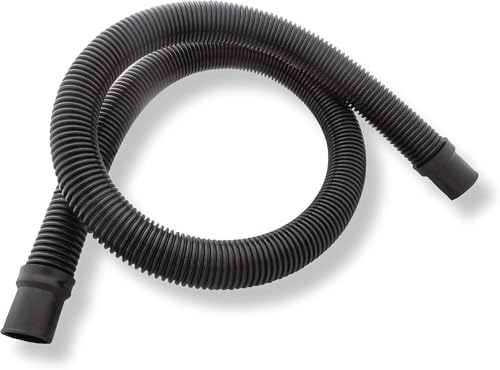
DELUXE FILTER CONNECTION HOSE – Designed for durability and long-term performance, this flexible spiral wound hose with cuff is ideal for use as a 1.25 pool hose, pool hose 1.5 inch, or 1 1/2 inch pool hose for filters, pumps, and skimmers.
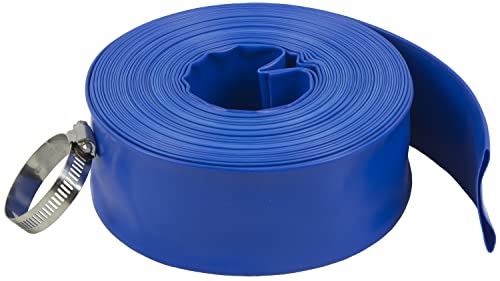
DIAMETER MAY VARY: Hose is available in either 1.5'" or 2" diameter depending on supply; both sizes are commonly used for pool filter backwashing and water discharge; includes stainless steel hose clamp for secure connection

THREADED TO CLAMP STYLE HOSE ADAPTER - These adapters come with 2.25-inch interior diameter threaded collars to connect NPT hose connectors to clamp style hoses. They are perfect for aftermarket or old hoses that do not have adapters. The adapters also have O-rings for a more watertight connection.
What to Do If the Vacuum Isn’t Picking Up Debris
If your vacuum isn’t picking up debris, check these factors:
- Inspect the Hose: Look for kinks or leaks in the vacuum hose. A damaged hose can reduce suction.
- Check the Connections: Ensure all connections between the vacuum head and hose are secure. Loose connections can lead to air leaks.
- Adjust the Sand Filter: Set the sand filter to “Filter” mode. If it’s in “Backwash” or “Waste,” the vacuum won’t work properly.
- Clear Clogs: Remove any debris that may be blocking the vacuum head or hose. Regular maintenance prevents clogs.
- Verify Water Levels: Make sure your pool’s water level is adequate. Low levels can hinder vacuum performance.
- Check the Backwash Schedule: If debris builds up in the filter, ensure you backwash it regularly—typically once every month.
- Inspect the Sand: Ensure the sand is clean and properly filled. Old or degraded sand often needs replacement every 3-5 years.
- Monitor Pressure Gauges: If the pressure gauge reads higher than normal (typically 8-10 psi over baseline), backwash the filter to clear debris.
- Examine the Multi-Port Valve: If you experience unusual behaviors, inspect the multi-port valve for leaks or malfunctions. A damaged valve may require replacement.
- Follow Manufacturer Guidelines: Each filter operates differently. Refer to the user manual for specific troubleshooting steps tailored to your model.
Conclusion
Keeping your pool clean and inviting is easier than you might think. By mastering the vacuuming process with your sand filter you’re not just enhancing your pool’s appearance but also prolonging the life of your equipment.
Remember to stay on top of maintenance tasks like backwashing and checking your filter settings. With a little diligence and the right techniques you can enjoy a sparkling pool all season long.
So grab your vacuum and get to work. A clean pool is just a few steps away!
Frequently Asked Questions
Why is it important to vacuum my pool with a sand filter?
Vacuuming your pool with a sand filter is essential for maintaining water clarity and hygiene. Regular vacuuming removes debris, algae, and contaminants, ensuring a clean and inviting swimming environment.
How does a sand filter work?
A sand filter cleans pool water by pushing it through layers of sand, which traps dirt and impurities. The clean water is then returned to the pool, while the trapped debris stays within the filter.
How often should I backwash my sand filter?
You should backwash your sand filter every 4 to 6 weeks, or when the pressure gauge indicates a pressure increase of about 8 to 10 psi above the normal operating range. This helps maintain filter efficiency.
What should I do if my vacuum is not picking up debris?
If your vacuum isn’t picking up debris, check the hose for clogs, ensure the connections are tight, and confirm that the filter settings are correct. Additionally, inspect the vacuum head for blockages.
How do I maintain proper water levels for vacuuming?
Maintain your pool’s water level at about halfway up the skimmer opening. This ensures optimal suction, allowing the vacuum to effectively pick up debris while preventing damage to the pump.
Why is inspecting sand quality in the filter important?
Inspecting sand quality is crucial because worn or degraded sand can reduce filtration effectiveness, allowing debris and impurities to escape back into the pool. Replace sand as recommended by the manufacturer.
How can I tell when to backwash my sand filter?
Check the pressure gauge on your sand filter. When the pressure rises 8 to 10 psi higher than normal, it’s time to backwash. Regularly monitoring this will keep your filter working effectively.
What does the multi-port valve do on a sand filter?
The multi-port valve controls the flow of water through the sand filter. It allows you to select different functions like filtering, backwashing, rinsing, or bypassing, making it essential for filter maintenance.
What troubleshooting tips are there for sand filters?
Common troubleshooting tips include checking hose connections, inspecting clogs, monitoring pressure gauges, and reviewing backwash schedules. Following the manufacturer’s guidelines for specific issues can also help improve performance.
Where can I find manufacturer guidelines for my sand filter?
Manufacturer guidelines can usually be found in the user manual that came with your sand filter. If you no longer have the manual, you can often find it on the manufacturer’s website.