
Ever looked at your swimming pool and thought it could use a good clean? You’re not alone. Leaves, dirt, and debris can quickly turn your sparkling oasis into a murky mess. But don’t worry—vacuuming your pool is easier than you might think.
Key Takeaways
- Importance of Vacuuming: Regular vacuuming is essential for maintaining a clean pool, enhancing water clarity, and preventing the growth of algae and bacteria.
- Recommended Frequency: Vacuum your pool weekly for heavy use, biweekly for moderate use, and monthly for lightly used or clean environments.
- Effective Technique: Start by removing large debris with a skimmer, then use the vacuum methodically, overlapping strokes to ensure comprehensive cleaning.
- Equipment Choices: Options include manual vacuums for control, automatic vacuums for convenience, and robotic vacuums for advanced cleaning without manual effort.
- Essential Tools: Gather necessary tools such as a skimmer net, pool brush, vacuum, telescopic pole, hose, and a water test kit for optimal cleaning and water maintenance.
- Common Challenges: Address issues such as clogged hoses, insufficient suction, and floating debris by following proper techniques and regular maintenance.
Understanding The Importance Of Vacuuming
Vacuuming your swimming pool plays a key role in maintaining a clean and healthy swimming environment. Regular vacuuming removes not just dirt and debris but also algae and bacteria that can grow in stagnant areas.
Benefits Of Vacuuming
- Clarity: Vacuuming improves water clarity by eliminating particles that cloud the water.
- Health: Vacuuming reduces the risk of waterborne illnesses by removing contaminants.
- Equipment Longevity: Regular cleaning helps your filter and pump operate more efficiently, extending their lifespan.
- Aesthetic Appeal: A clean pool enhances your backyard’s visual appeal, making it more inviting for you and your guests.
Frequency Of Vacuuming
You should vacuum your pool based on usage and environmental factors. For instance:
- Weekly: For pools used frequently or in areas with a lot of trees.
- Biweekly: For pools with moderate use and minimal debris exposure.
- Monthly: For pools in very clean environments or low usage instances.
Proper Technique
Using the right technique maximizes the effectiveness of vacuuming. Here are some practical steps:
- Prep The Area: Remove large debris manually with a skimmer.
- Connect Your Vacuum: Attach the vacuum to the pole and hose, ensuring all connections are secure.
- Prime The Hose: Submerge the vacuum in the pool to remove air from the hose, ensuring maximum suction.
- Start Vacuuming: Move slowly across the pool floor, overlapping each stroke to ensure full coverage.
- Check Progress: Periodically inspect the filter and clean it if necessary to maintain suction.
Equipment Options
Different types of vacuums cater to various pool conditions:
- Manual Vacuums: Require your physical effort but provide precise control.
- Automatic Vacuums: Operate independently; ideal for those who prefer convenience.
- Robotic Vacuums: Offer advanced cleaning with minimal manual intervention, using sensors to navigate your pool.
Incorporating regular vacuuming as part of your pool maintenance routine ensures a clean, safe, and enjoyable swimming experience.
Tools Required For Vacuuming A Swimming Pool
Vacuuming your swimming pool efficiently requires specific tools. You’ll need the right equipment to ensure a thorough cleaning.
Recommended Products

[Wall & Waterline Scrubbing] - Automatically climbs and scrubs walls and the waterline to remove stuck-on debris, grime, and oily buildup. Strong traction and triple brushless motors help maintain stable climbing and consistent cleaning, reducing the need for hand scrubbing in routine pool care.

Powerful 2280 GPH Suction & Deep Cleaning -- This WYBOT A1 cordless robotic pool vacuum delivers strong 2280 GPH suction power to effectively remove leaves, sand, dirt, and other debris. Ideal for keeping your pool floor clean and water crystal clear.
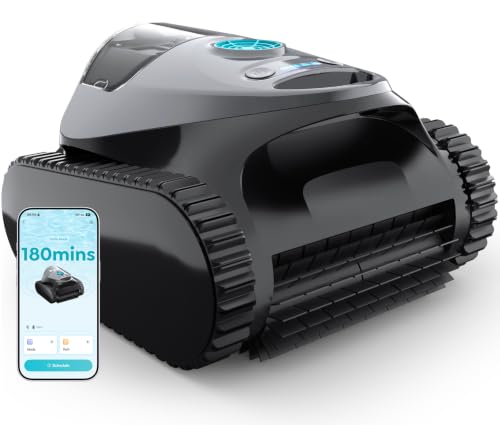
Upgraded Triple-Motor Suction & Dual Filtration System: Powered by a strong triple-motor design, this robotic pool cleaner delivers exceptional suction power to remove leaves, dirt, and fine debris. Its dual filtration system captures both large particles and micro dust efficiently, leaving pool water crystal clear. All filters are washable, reusable, and easy to maintain.
Types Of Pool Vacuums
- Manual Pool Vacuums: These vacuums consist of a vacuum head, pole, and hose. They give you control over cleaning but require more effort. You maneuver the vacuum head by hand to remove debris and dirt.
- Automatic Pool Vacuums: These work independently. Set them up, and they navigate the pool using suction or pressure to clean the surfaces. They save time and reduce manual effort.
- Robotic Pool Vacuums: These advanced vacuums are fully automated. Place them in the pool, and they use sensors to detect areas needing cleaning. They can scrub the floor and walls, making them efficient and convenient.
- Pool Vacuum Hose: This specialized hose connects the vacuum to the skimmer or dedicated suction line. Ensure it’s long enough to reach from your pool’s farthest spot to the skimmer.
- Telescopic Pole: Needed for manual vacuums, this pole helps you extend your reach. It should be compatible with your vacuum head.
- Skimmer Net: Use this tool to remove larger debris, such as leaves and twigs, before vacuuming. Clearing the surface first improves your vacuum’s effectiveness.
- Water Test Kit: Maintaining water quality is crucial. A test kit helps you monitor pH levels, chlorine, and other factors.
- Pool Brush: Regular brushing complements vacuuming. It helps remove algae and dirt from the walls and tiles, ensuring a clean surface for the vacuum to work on.
Gathering these tools prepares you for effective vacuuming, leading to a cleaner and healthier pool.
Step-By-Step Guide On How To Vacuum Out A Swimming Pool
Vacuuming your swimming pool is essential for maintaining a clean and enjoyable swimming environment. Follow these steps for a successful vacuuming process.
Preparing The Pool
- Clear debris from the surface. Use a skimmer net to remove leaves, twigs, and other debris floating on the water.
- Brush the pool walls and floor. Use a pool brush to loosen dirt and algae before vacuuming. Focus on areas with visible buildup.
- Check water level. Ensure the water level is sufficient, ideally between one-third and halfway up the skimmer opening for optimal suction.
- Gather your tools. Have your pool vacuum, telescopic pole, hose, and any other necessary items ready for use.
Vacuuming Process
- Connect the vacuum. Attach the vacuum head to the telescopic pole and then connect the vacuum hose to the head.
- Prime the vacuum. Submerge the vacuum head and hose in the pool to fill it with water. Keep it submerged until bubbles stop rising to ensure maximum suction.
- Attach the hose to the skimmer. Remove the skimmer basket and connect the vacuum hose to the skimmer inlet. This step directs water from the pool through the vacuum.
- Start vacuuming. Begin slowly at the deep end, moving consistently to avoid missing any spots. Cover the entire pool, focusing on corners and steps. Don’t rush; a steady pace ensures thorough cleaning.
- Monitor progress. Regularly check the vacuum head and ensure it’s pulling dirt properly. Adjust your speed and method as needed.
- Remove the vacuum set-up. Disconnect the vacuum hose from the skimmer and the telescopic pole from the vacuum head.
- Clean the skimmer basket. Empty and rinse the skimmer basket to remove any collected debris, ensuring optimal water flow.
- Test and balance the water. Use a water test kit to check pH levels, chlorine levels, and other factors. Adjust as necessary for a safe swimming environment.
- Store tools properly. Rinse and dry your vacuum, hose, and brush before putting them away to prolong their lifespan and maintain cleanliness.
By following these steps, you can efficiently vacuum your swimming pool and maintain a vibrant and healthy aquatic space.
Common Challenges And Solutions
Vacuuming a swimming pool can come with challenges. Here are some common issues and their solutions.
Recommended Products
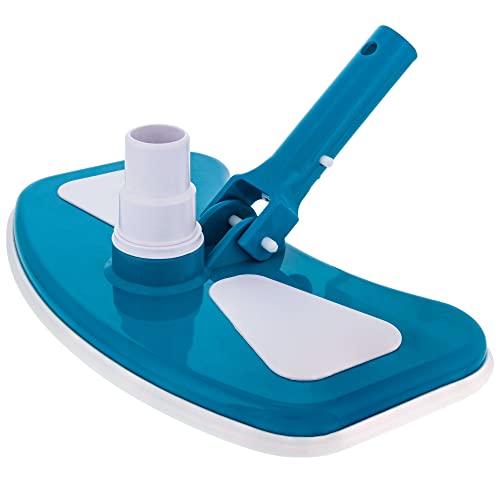
Premium quality, durable deluxe weighted butterfly 12" pool vacuum head with a swivel connection that accepts standard 1-1/4" and 1-1/2" vacuum hoses. Excellent for use in above-ground & in-ground swimming pools.

MANUAL POOL VACUUM HOSE: Designed for use with a manual vacuum head and telescopic pool pole, sold separately, NOT for automatic or robotic pool cleaners

Why Need This: If you often need to clean your AC lines with hand but feel painful, inefficient and expensive, this is good for you! It can help you save hundreds of dollars each year, and you don’t have to call service anymore
Clogged Vacuum Hose
Problem: A clogged vacuum hose limits suction power.
Solution: Disconnect the hose and inspect it for debris. Use a stiff brush or a garden hose to remove blockages.
Insufficient Suction
Problem: Low suction affects cleaning effectiveness.
Solution: Check your filter. Clean or replace it to restore proper suction. Ensure the hose connections are secure to prevent air leaks.
Floating Debris
Problem: Debris floats on the surface during vacuuming.
Solution: Use a skimmer net to remove floating leaves and debris before starting the vacuuming. This minimizes interruptions during the process.
Uneven Vacuuming
Problem: Some areas remain dirty after vacuuming.
Solution: Vacuum slowly and methodically. Overlap your paths to ensure thorough coverage. Consider using a pool brush to scrub stubborn spots before vacuuming.
Hard Water Deposits
Problem: Hard water deposits can accumulate on the pool floor.
Solution: Regularly use a pool cleaner that targets mineral deposits. For tough buildup, a mixture of vinegar and water can help dissolve the deposits.
Maintenance After Vacuuming
Problem: Skimmer basket fills quickly after vacuuming.
Solution: Clean out the skimmer basket immediately after vacuuming to enhance circulation and prevent clogging. Regularly checking the basket improves overall pool maintenance.
By tackling these challenges with the provided solutions, you maintain a clean and inviting swimming pool easily.
Conclusion
Vacuuming your swimming pool is more than just a chore; it’s a vital part of keeping your oasis clean and inviting. With the right tools and techniques you can tackle dirt and debris effectively. Regular vacuuming not only enhances the beauty of your pool but also promotes a healthier environment for you and your loved ones.
Don’t forget to monitor your progress and address any challenges along the way. By staying on top of your pool maintenance routine you’ll enjoy crystal-clear water and a relaxing space all season long. So grab your vacuum and get started on that sparkling clean pool you’ve always wanted!
Frequently Asked Questions
Why is vacuuming important for swimming pools?
Vacuuming is essential for maintaining a clean and healthy swimming pool. It removes dirt, debris, algae, and bacteria, enhancing water clarity and reducing health hazards. Regular vacuuming also prolongs the lifespan of pool equipment and improves the overall visual appeal of your pool.
How often should I vacuum my swimming pool?
The frequency of vacuuming depends on pool usage and environmental factors. Generally, it’s recommended to vacuum once a week. However, pools with heavy use or located near trees may require more frequent cleaning.
What tools do I need for effective pool vacuuming?
Essential tools for effective pool vacuuming include vacuum heads, poles, hoses, skimmer nets, water test kits, and pool brushes. Having the right tools ensures a thorough and efficient cleaning process.
What are the common challenges faced during pool vacuuming?
Common challenges include clogged hoses, insufficient suction, floating debris, and uneven cleaning. These issues may also involve dealing with hard water deposits and skimmer basket maintenance, but they can be solved with proper techniques and tools.
How can I improve suction while vacuuming my pool?
To improve suction, ensure that hoses are properly connected and free of air leaks. Also, check the skimmer and pump for blockages, and clean the filter regularly for optimal performance.
What should I do after vacuuming my pool?
After vacuuming, clean the skimmer basket and check the filter to remove debris. It’s also essential to test the water balance and make necessary adjustments to maintain a healthy swimming environment.
