
Have you ever wondered why your plumbing system occasionally makes strange noises or why water backs up unexpectedly? These issues can often be traced back to a little device called a vacuum breaker. It’s not just a technical term; it plays a crucial role in keeping your water system functioning smoothly.
In this article, you’ll learn how vacuum breakers prevent backflow and protect your drinking water from contamination. Understanding their purpose can help you maintain a healthier plumbing system and avoid costly repairs. Let’s explore how this simple yet effective device works and why it’s essential for your home.
Key Takeaways
- Definition and Function: A vacuum breaker is a plumbing device designed to prevent back siphonage and backflow, ensuring the integrity of water systems by allowing air into the system during pressure drops.
- Prevention of Contamination: Vacuum breakers protect drinking water from contamination by stopping non-potable water from mixing with potable sources, thereby maintaining safe water quality.
- Types of Vacuum Breakers: The two main types are Atmospheric Vacuum Breakers (AVBs), which respond to pressure drops, and Pressure Vacuum Breakers (PVBs), which operate effectively in fluctuating pressure scenarios.
- Residential and Commercial Applications: Vacuum breakers are crucial in both residential (irrigation systems, outdoor faucets) and commercial settings (food processing facilities, HVAC systems) to prevent backflow and ensure adherence to safety standards.
- Regulatory Compliance: Installing vacuum breakers helps meet local plumbing codes, avoiding fines and promoting safe practices within water systems.
Understanding Vacuum Breakers
Vacuum breakers play a critical role in plumbing systems by preventing potential contamination of drinking water. They ensure the integrity of your water supply by eliminating backflow risks.
Definition of Vacuum Breaker
A vacuum breaker is a plumbing device designed to prevent back siphonage. It allows air into the water system whenever a vacuum forms, breaking the siphon effect. Most commonly found in irrigation systems and plumbing fixtures, these devices help maintain water quality.
Importance in Plumbing Systems
Vacuum breakers offer several essential benefits for plumbing systems:
- Prevents Backflow: Protects against reverse flow of contaminated water into clean water lines, maintaining water safety.
- Avoids Contamination: Ensures safe drinking water standards by stopping pollutants from entering the supply.
- Reduces Damage Risks: Minimizes the possibility of water damage in plumbing systems, which can result in costly repairs.
- Ensures Compliance: Meets local plumbing codes, helping you avoid fines and promote safe practices.
Incorporating vacuum breakers into your plumbing setup strengthens overall system reliability and safeguarding.
Functions of Vacuum Breakers
Vacuum breakers serve vital functions in plumbing systems, primarily focusing on preventing backflow and safeguarding water quality.
Recommended Products

BACKFLOW PREVENTER: Vacuum breaker valve is designed to prevent the backflow of fluids back into the potable water system

【What do you get 】: 2 × Vacuum Breakers, 2 × Washers, 1 × Tape (About 350" long)
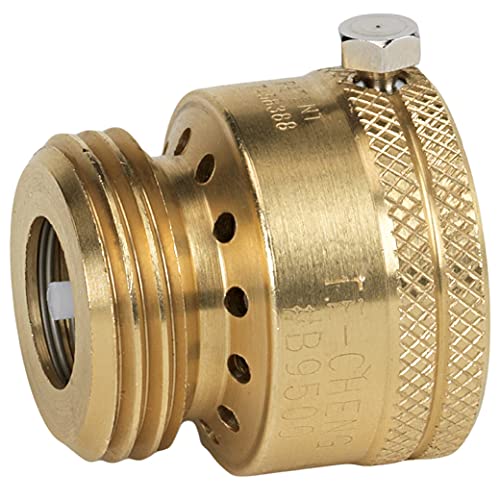
FUNCTIONALITY: Homewerks Vacuum Breaker will help prevent water backflow to the main water supply. 3/4-Inch self draining vacuum, breaker, Male hose thread
Prevention of Backflow
Vacuum breakers play a critical role in stopping backflow, which occurs when water flows in the opposite direction. This backward flow can happen during situations such as a sudden drop in water pressure or a siphoning effect. A vacuum breaker introduces air when a vacuum forms, breaking the siphon and restoring normal flow. For example, in irrigation systems or outdoor hoses, a vacuum breaker prevents contaminated water from re-entering the clean water supply.
Protection Against Contamination
Vacuum breakers protect against contamination by ensuring that non-potable water doesn’t mix with potable water. By allowing air into the system, these devices disrupt any potential suction from hazardous sources, like chemicals or waste. In residential applications, you can find vacuum breakers installed on garden hoses, preventing harmful substances from entering your drinking water. Keeping contaminants out preserves water safety and complies with health regulations.
Types of Vacuum Breakers
Vacuum breakers come in different types, each suited for specific applications. Understanding these types helps you choose the right one for your plumbing needs.
Atmospheric Vacuum Breakers
Atmospheric vacuum breakers (AVBs) contain an atmospheric port that allows air to enter the system. This action prevents siphoning. For example, if a hose connected to a garden faucet experiences a sudden drop in pressure, the ABV opens to equalize pressure, stopping backflow. You’ll commonly find AVBs on irrigation systems and residential water lines. Ensure installation occurs above the highest point in the plumbing system to maintain proper function.
Pressure Vacuum Breakers
Pressure vacuum breakers (PVBs) feature a spring-loaded valve that opens to admit air when there’s negative pressure in the line. This type works effectively in scenarios with fluctuating pressure. For example, if heavy water flow causes a drop in pressure, the PVB activates to protect the drinking water supply from contamination. Look for PVBs in commercial settings, where higher pressure is typical. Proper installation requires positioning the device above the highest outlet to comply with plumbing codes.
Applications of Vacuum Breakers
Vacuum breakers serve crucial roles in both residential and commercial plumbing systems, ensuring safety and system efficiency. Here’s a closer look at their applications.
Residential Uses
In residential settings, vacuum breakers prevent contaminated water from backflowing into the clean supply. Common applications include:
- Irrigation Systems: Install atmospheric vacuum breakers in garden irrigation systems to prevent pesticides and fertilizers from mixing with drinking water.
- Water Supply Lines: Use pressure vacuum breakers for outdoor faucets, ensuring that pollutants don’t enter the municipal water supply during low pressure scenarios.
- Swimming Pools: Ensure pool fill lines have vacuum breakers to protect against chemical backflow into the home’s water system.
Ensuring proper installation at the right height is crucial for all residential applications.
Commercial Uses
Commercial applications often require more robust solutions due to larger systems. Key uses include:
- Food Processing Facilities: Implement vacuum breakers in food and beverage businesses to ensure non-potable water doesn’t contaminate potable water used in food preparation.
- Boilers: Use pressure vacuum breakers in boiler systems that face fluctuating pressure, preventing damage and contamination.
- HVAC Systems: Install vacuum breakers in cooling towers or chillers to protect drinking water from chemical additives used in the system.
Properly selecting and installing these devices safeguards public health and enhances system performance.
Conclusion
Vacuum breakers play a vital role in keeping your water supply safe and clean. By preventing backflow and contamination you’re protecting not just your home but also the community around you. Whether you’re using them in your garden irrigation or in more complex systems like food processing facilities they’re essential for maintaining water quality.
Remember to choose the right type for your needs and ensure proper installation. This way you can enjoy peace of mind knowing your water supply is secure. Taking these steps helps you contribute to a healthier environment for everyone.
Frequently Asked Questions
What is the purpose of a vacuum breaker in plumbing systems?
A vacuum breaker prevents backflow in plumbing systems by introducing air to break the siphon effect, ensuring that contaminated water does not mix with the clean water supply. This helps maintain water quality and public health.
What are the main types of vacuum breakers?
The two main types of vacuum breakers are Atmospheric Vacuum Breakers (AVBs) and Pressure Vacuum Breakers (PVBs). AVBs function by allowing air to enter the system, while PVBs can maintain a water seal under pressure, making them suitable for different applications.
Where are vacuum breakers typically used in residential settings?
In residential settings, vacuum breakers are essential for irrigation systems, water supply lines, and swimming pools. They effectively prevent the contamination of clean water sources from non-potable water.
Why is proper installation of vacuum breakers important?
Proper installation of vacuum breakers is crucial to ensure they function effectively. They must be installed at the correct height to break the siphon and prevent backflow, safeguarding water quality and preserving public health.
How do vacuum breakers enhance system performance in commercial applications?
In commercial applications, vacuum breakers protect potable water from contamination in facilities like food processing, boilers, and HVAC systems. Their correct use ensures the safety and reliability of water supply systems in these critical environments.
