
Got an old vacuum cleaner taking up space in your closet? You’re not alone. Many people struggle with what to do when their trusty cleaner finally gives up the ghost. Tossing it in the trash might seem like the easiest option, but there are better ways to handle it.
Key Takeaways
- Recognize When to Discard: Frequent breakdowns, loss of suction, burning smells, unusual noises, and age are key indicators that it may be time to dispose of your vacuum cleaner.
- Explore Disposal Options: Before throwing away your vacuum, consider recycling, donating, or selling it if it’s still functional.
- Clean Before Disposal: Properly cleaning your vacuum is essential. Empty the dust container, wipe the exterior, and clean filters to make it safe and hygienic for disposal.
- Disassemble for Recycling: Disassembling your vacuum cleaner can facilitate safe disposal and potential recycling of various components like metal and plastic.
- Adhere to Local Regulations: Stay informed about your local disposal regulations to ensure you’re following proper procedures for electronic waste to minimize environmental impact.
- Utilize Resources for Drop-off Locations: Use online resources to find local recycling or disposal facilities that accept vacuum cleaners, making the disposal process easier and eco-friendly.
Understanding When to Discard Your Vacuum Cleaner
Deciding when to part with a vacuum cleaner requires careful consideration. Here are key indicators to help you determine if it’s time to say goodbye.
Signs Your Vacuum Cleaner Needs to Go
- Frequent Breakdowns: If repairs occur multiple times within a year, it’s time to evaluate replacement.
- Loss of Suction Power: Consistent inability to pick up dirt and debris indicates a loss in efficiency.
- Burning Smell: If your vacuum emits a burning odor during operation, stop using it and consider disposal options.
- Unusual Noises: Persistent rattling or grinding sounds can signify internal damage or malfunction.
- Age: Most vacuum cleaners last around 8-12 years; significant wear suggests replacement may be necessary.
- Visual Inspection: Check for visible damage to parts like the hose, brush roll, or filters. Cracks or tears may impair performance.
- Performance Testing: Assess suction at various settings. Test how well it captures pet hair and larger debris.
- Part Availability: Research the availability and cost of replacement parts. If parts are hard to find or expensive, consider a new model.
- Warranty Status: Determine if your vacuum’s warranty covers repairs. If it’s expired and repairs are costly, replacing the unit makes sense.
- Usage Needs: If your cleaning requirements have changed, such as moving to a larger home or having pets, evaluate if your current vacuum meets those needs.
Using these pointers helps you make the right choice regarding your vacuum cleaner’s disposal.
Options for Throwing Away a Vacuum Cleaner
When it’s time to dispose of an old vacuum cleaner, several options exist that can minimize environmental impact and potentially benefit others. Consider these alternatives before you make a decision.
Recommended Products

Enhanced Mobility and Visibility: Effortlessly navigate around furniture and obstacles with 180° EasySteer maneuverability as bright LED nozzle lights illuminate tight, dark spaces for a more thorough clean
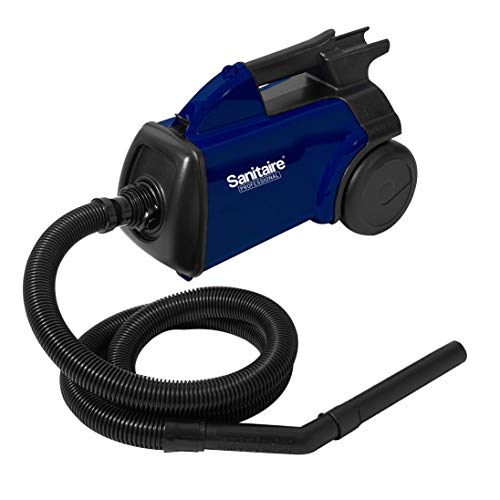
Commercial-rated, light-duty machines designed to provide the clean you need. Simplified. Streamlined. Built for your business — and your budget.800.0 watts.Specific uses:carpet

3-STAGE FILTRATION: The 3 stages of filtration consists of one 1, 2-quart HEPA bag which is disposable, along with a premotor and exhaust filter that are designed to be washable and reusable
Recycling Your Vacuum Cleaner
Recycling can be an eco-friendly option for vacuum cleaners. Many components, like metal, plastic, and electrical parts, can be recycled. Check with local recycling centers or municipal waste departments to see if they accept vacuum cleaners. Some stores offer take-back programs for electronic appliances and might recycle vacuums for you.
Donating or Selling Usable Vacuum Cleaners
If your vacuum cleaner still works, consider donating or selling it. Schools, charities, or shelters may welcome functional models. Platforms like Craigslist or Facebook Marketplace provide local venues for selling used vacuums. Ensure the vacuum is clean and in working condition for the next owner.
Proper Disposal Methods
If recycling or donating isn’t feasible, follow proper disposal methods. Consult your local waste management authority for guidelines regarding electronic waste. Many areas have designated drop-off locations for appliances. Avoid tossing the vacuum in regular trash bins, as improper disposal can harm the environment.
Preparing Your Vacuum Cleaner for Disposal
Preparing your vacuum cleaner for disposal ensures you handle it safely and responsibly. Follow these steps to make the process easier.
Recommended Products
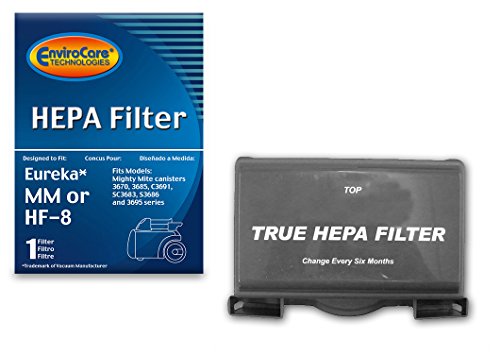
EnviroCare Replacement HEPA Vacuum Cleaner Filter Designed to Fit Eureka Sanitaire HF-8 MM Mighty Mite Pet Lover, Sanitaire Commercial Canister Vacuum Cleaners, 60666B, 60666A, 60666-6, EUR 60295-6

EnviroCare Replacement HEPA Vacuum Cleaner Filter Designed to fit Eureka HF-2 Upright Vacuum Cleaners

Includes 4 HEPA replacement filters and 4 pieces of sponge sets, offering great value for uninterrupted cleaning. Long-lasting and cost-effective, keeping your vacuum operating at peak performance for longer.
Cleaning Your Vacuum Cleaner
Cleaning your vacuum cleaner helps eliminate dust and debris, making it easier to dispose of. Start by unplugging the vacuum. Empty the dust container or bag, disposing of the contents in a sealed plastic bag. Wipe down the vacuum’s exterior with a damp cloth to remove dirt. For models with filters, remove and wash them according to the manufacturer’s instructions. Ensure all parts are dry before proceeding.
Disassembling for Safe Disposal
Disassembling your vacuum cleaner allows for safer disposal and potential recycling of components. Use a screwdriver to remove screws and take off parts like the hose, brushes, and wheels. Separate different materials, such as metal and plastic, into distinct piles. Check if any components are recyclable by verifying with local recycling guidelines. Carefully handle sharp or broken pieces to avoid injury during this process.
Local Regulations and Guidelines
Disposing of a vacuum cleaner requires awareness of local regulations and guidelines. Knowing these can ensure a responsible and legal disposal process.
Recommended Products

Lightweight for quick, versatile cordless cleaning.
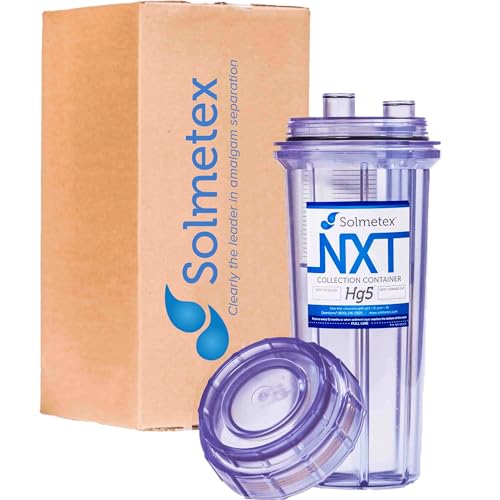
Solmetex NXT Hg5 Replacement Collection Container with Recycle Kit

Carpet recognition elevation pressure: Sensors detect changes in carpet resistance, automatically reduce water output or stop water output
Researching Local Disposal Rules
Check local waste management websites or contact municipal waste services for specific disposal rules. Many cities enforce guidelines for appliances and electronics to prevent environmental contamination. For example, some areas prohibit regular trash disposal, requiring you to use designated recycling centers or drop-off locations. Familiarize yourself with any fees or schedules involved in the disposal process as well.
Finding a Disposal Facility
Locate a nearby disposal facility by utilizing online resources such as Earth911.com or your local government’s waste management site. These platforms often provide information on recycling centers accepting vacuum cleaners. Some retailers offer take-back programs for old appliances. Call ahead to confirm that the facility accepts vacuums and inquire about any necessary preparation steps before drop-off.
Conclusion
Getting rid of your old vacuum cleaner doesn’t have to be a hassle. By considering your options and following local guidelines, you can ensure a responsible and eco-friendly disposal. Whether you choose to recycle, donate, or utilize a take-back program, you’re making a positive impact on the environment.
Take a moment to explore the resources available in your area. With a little effort, you can find the best way to part with your vacuum while helping others or reducing waste. Your old vacuum cleaner’s journey doesn’t have to end in a landfill.
Frequently Asked Questions
What are common reasons for disposing of an old vacuum cleaner?
Many people dispose of an old vacuum cleaner due to breakdowns, loss of suction power, or simply because it has reached the end of its age. Regular usage can lead to wear and tear, making it less efficient.
How can I dispose of my vacuum cleaner in an environmentally friendly way?
You can dispose of your vacuum cleaner environmentally by recycling its metal and plastic components, donating a still-functional vacuum, or using local recycling programs. Always check for specific recycling guidelines in your area.
Where can I find recycling centers for my vacuum cleaner?
To find recycling centers, check local waste management websites or use online resources like Earth911. Many retailers also offer take-back programs that accept old vacuum cleaners.
What should I consider before disposing of my vacuum cleaner?
Before disposing of your vacuum cleaner, consider its condition and functionality. If it can be repaired or donated, look into those options. Also, familiarize yourself with local disposal regulations and guidelines.
How do I know if my vacuum cleaner is recyclable?
Most vacuum cleaners have recyclable components. Check with your local recycling center for specific guidelines on what can be recycled. Many centers will accept metals and plastics while advising on proper preparation for recycling.
